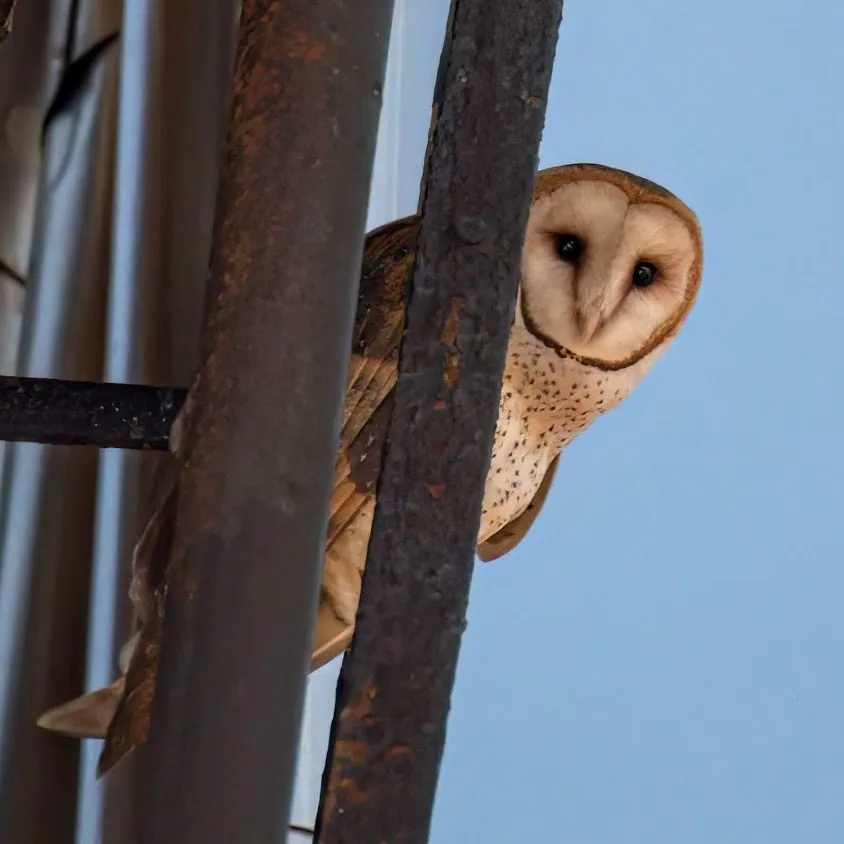
The Upper West Side has a new family to watch, and it comes out after dark. A family of barn owls has nested in a water tower in the neighborhood, drawing crowds of birders at night and giving the city what experts say may be its first known barn owl nest in Manhattan in modern history.
As many as eight owls have been spotted at a hole in the water tower: two adults and up to six juveniles, Smithsonian Magazine reported, summarizing CBS News New York coverage. The Urban Hawks birding journal, which found three owls on the tower on October 7, reported two adults and at least five owlets, possibly six, and said the find may be the first record of a barn owl nest in Manhattan in the last century.
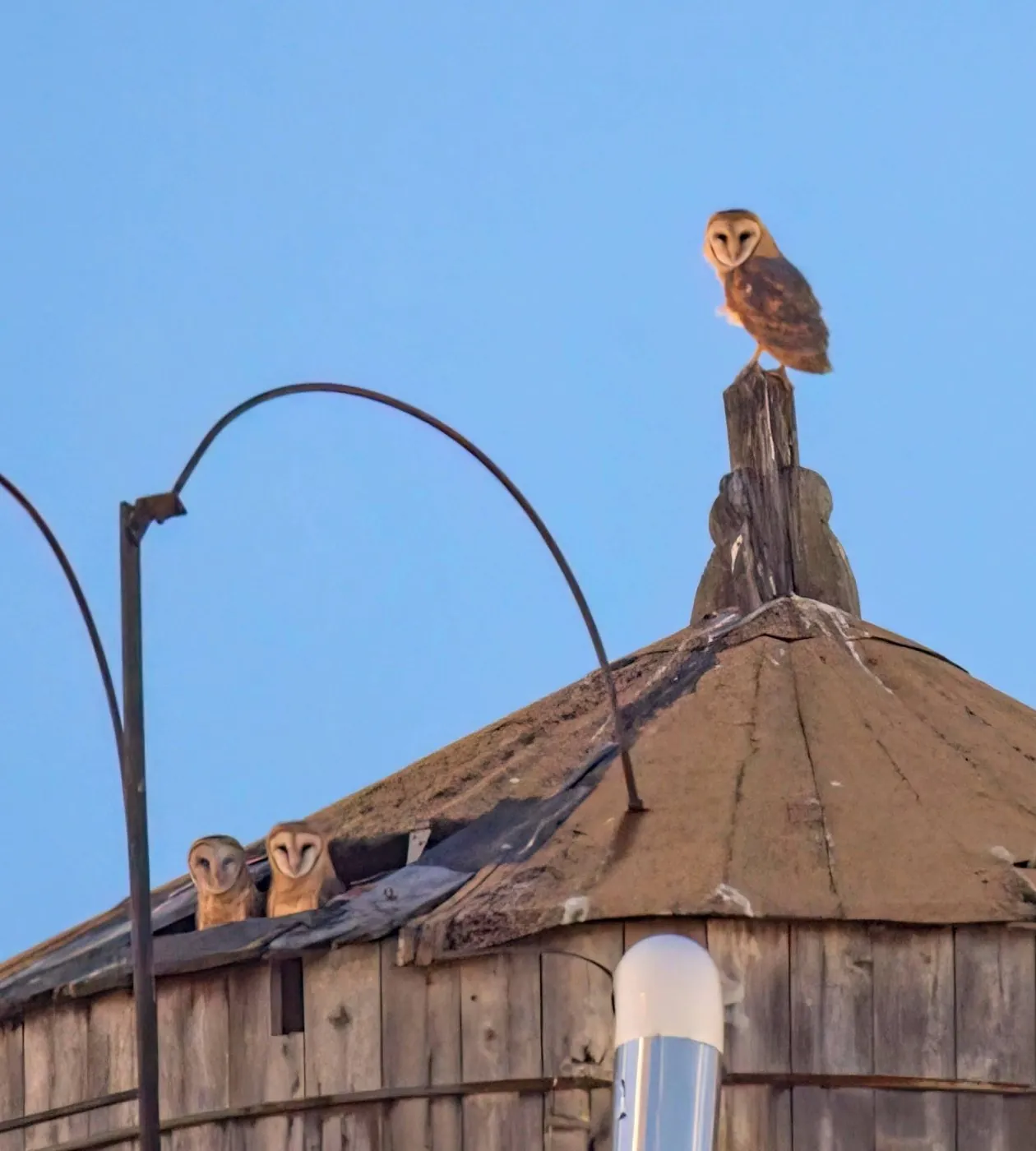
The discovery began with noise. Resident Elisabeth Williams heard repeated screeching from her patio in September and identified the bird with the Merlin bird ID app, according to accounts in the New York Times and the West Side Rag summarized by Smithsonian. She photographed an owl on October 3 and named it Scotty. It turned out Scotty was not alone.
Jessica Wilson, executive director of the NYC Bird Alliance, told CBS News New York that a nest in the middle of the country's biggest city is really exciting. The species is an extremely rare sight in the city, and its numbers in New York state have declined over recent decades as habitat has been lost to development. Paul Sweet, an ornithologist at the American Museum of Natural History, told Hell Gate the nest suggests some city environments are becoming more raptor-friendly.
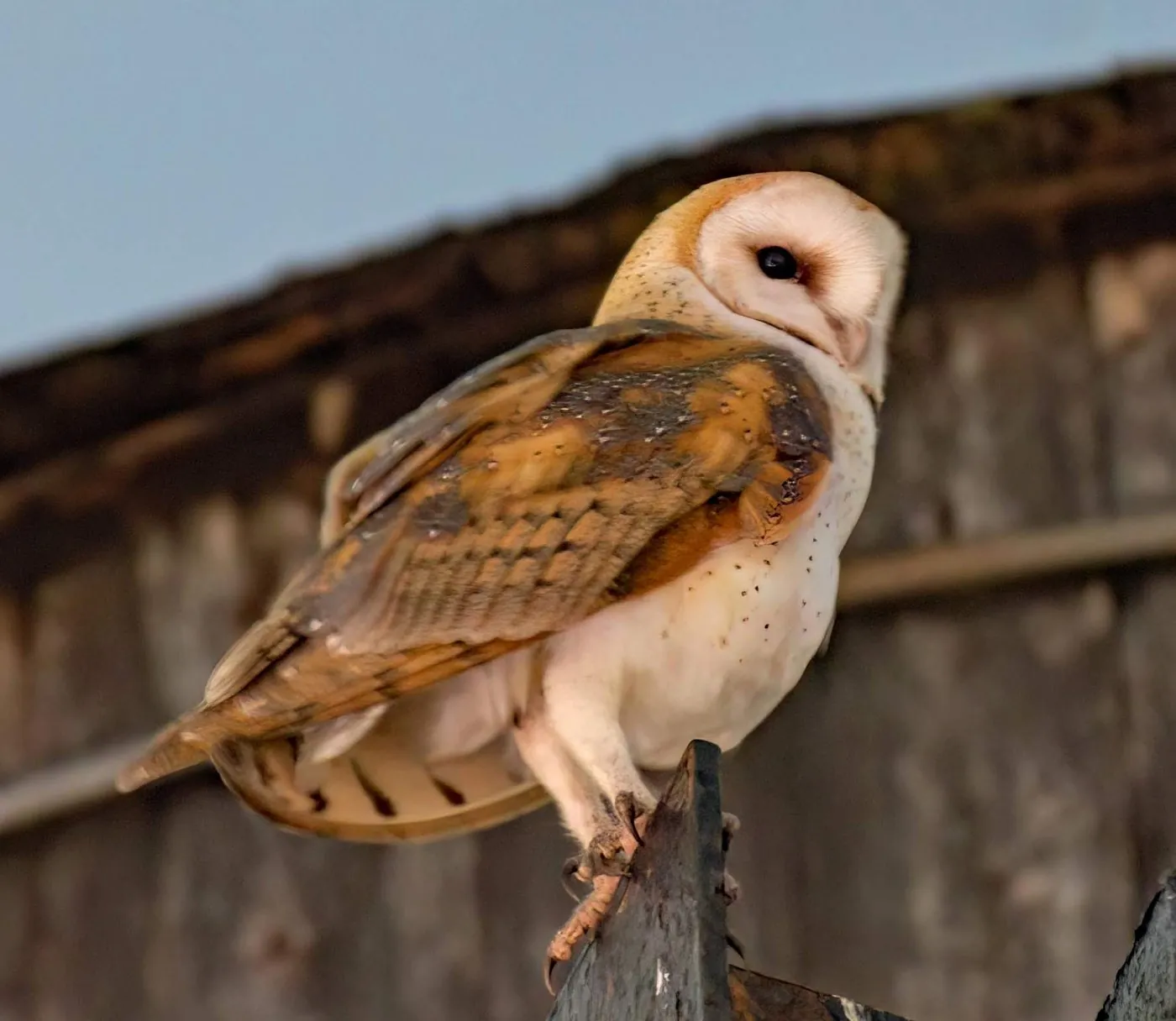
Barn owls are not entirely new to the city, but they had kept their Manhattan roost hidden. The Urban Hawks journal says its watchers had spent 18 months seeing barn owls hunt low over Central Park, usually for only a few seconds at a time, and had found owls perched there last winter without ever locating where they slept. The tower find on October 7 answered that question.
The celebration comes with a warning. Barn owls eat rodents, and Wilson told CBS that rodenticide meant to kill rats can also kill the predators that feed on those rats, a risk for owls eating several rats a day.
The risk has a recent local history. Flaco, the Eurasian eagle-owl that escaped the Central Park Zoo, died in 2024 after hitting a building, and examinations found rodenticides in his system that likely contributed, Smithsonian reported. The city later passed Flaco's Law, which includes a pilot program to curb rat populations with contraceptive methods rather than rodenticide, Smithsonian reported.
For now, the water tower family is a nightly draw. Birder David Barrett, who runs the Manhattan Bird Alert account, told CBS it is a special experience for people to come to a public space and watch the owls at night.