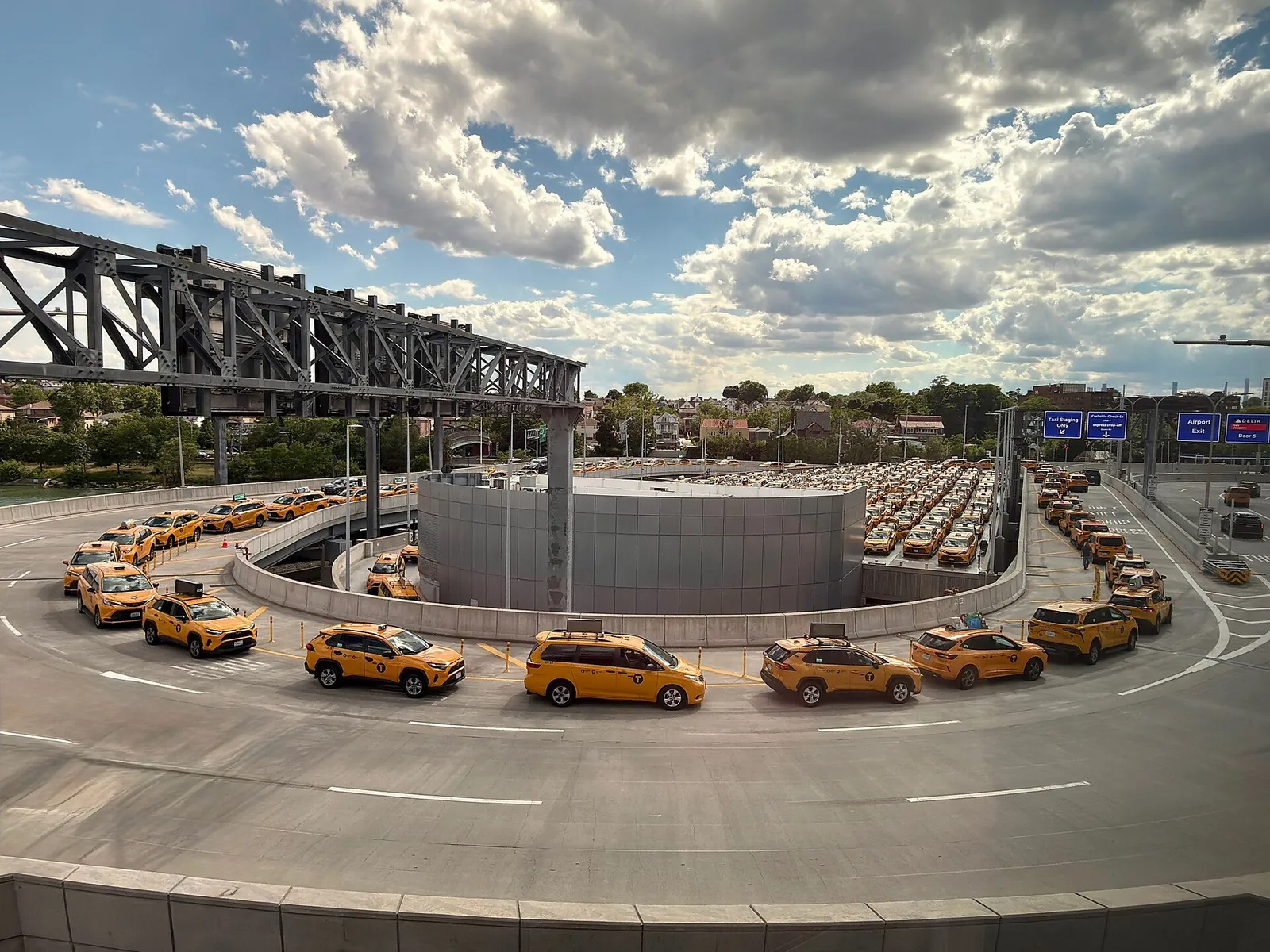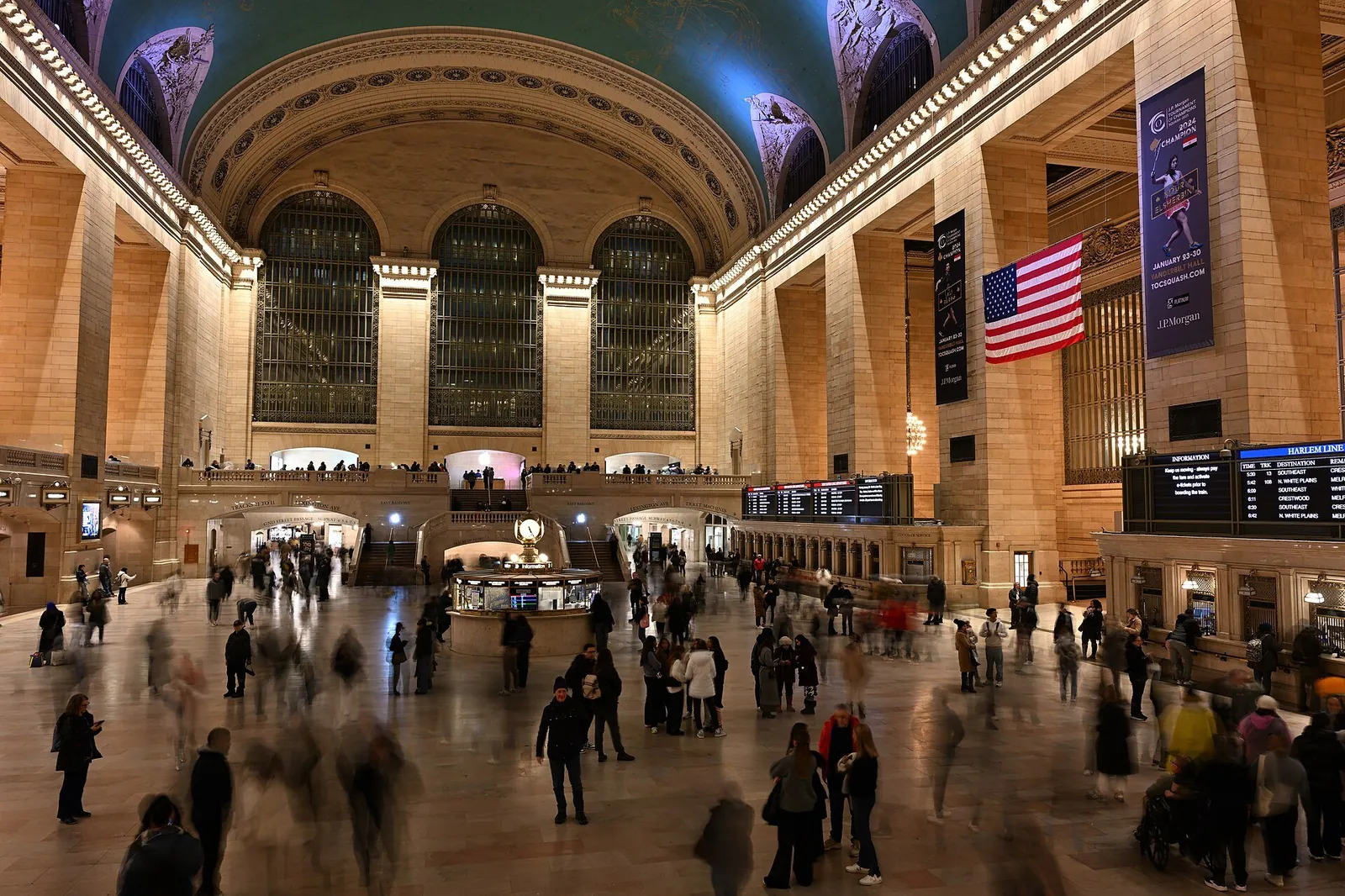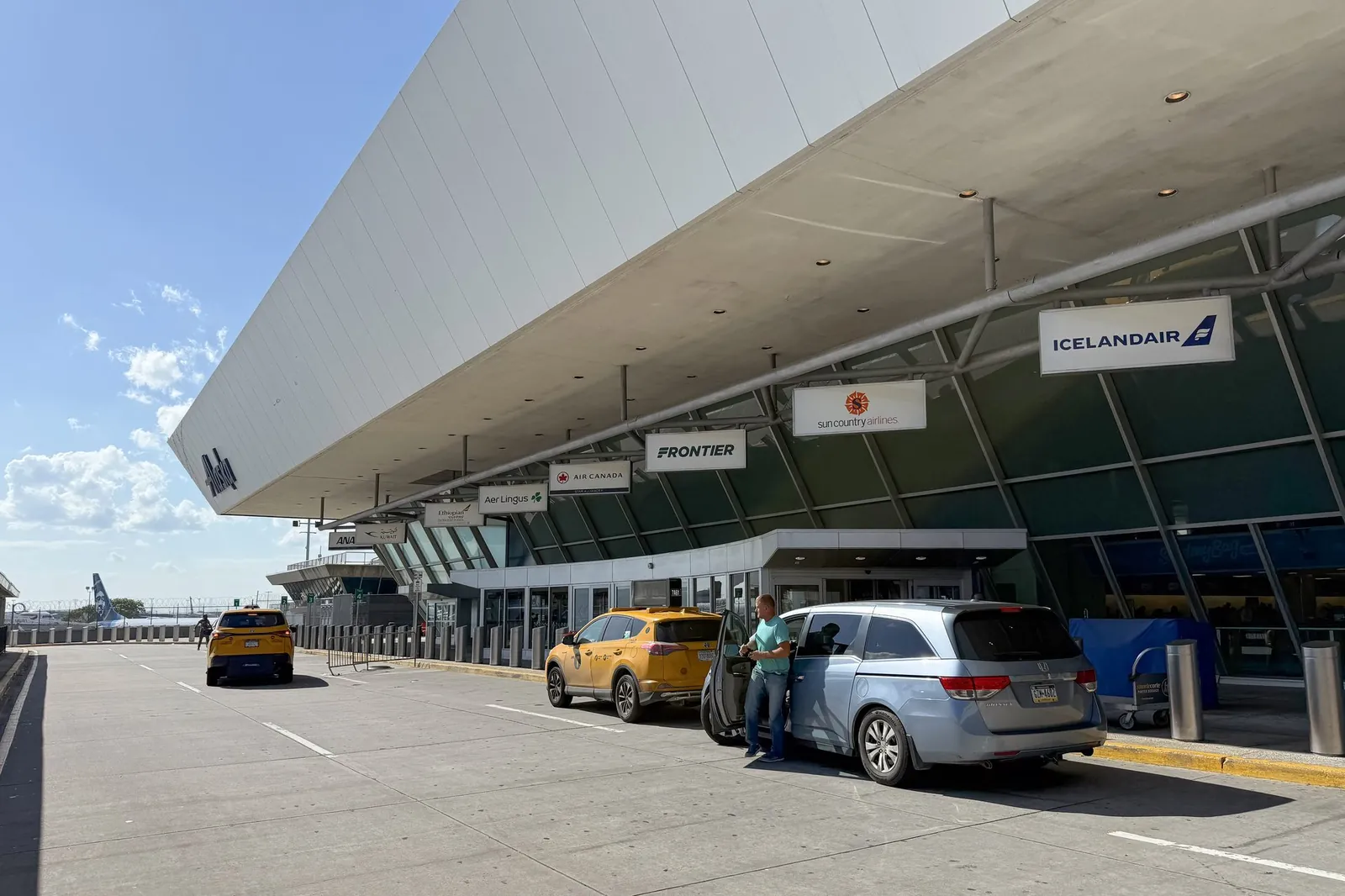
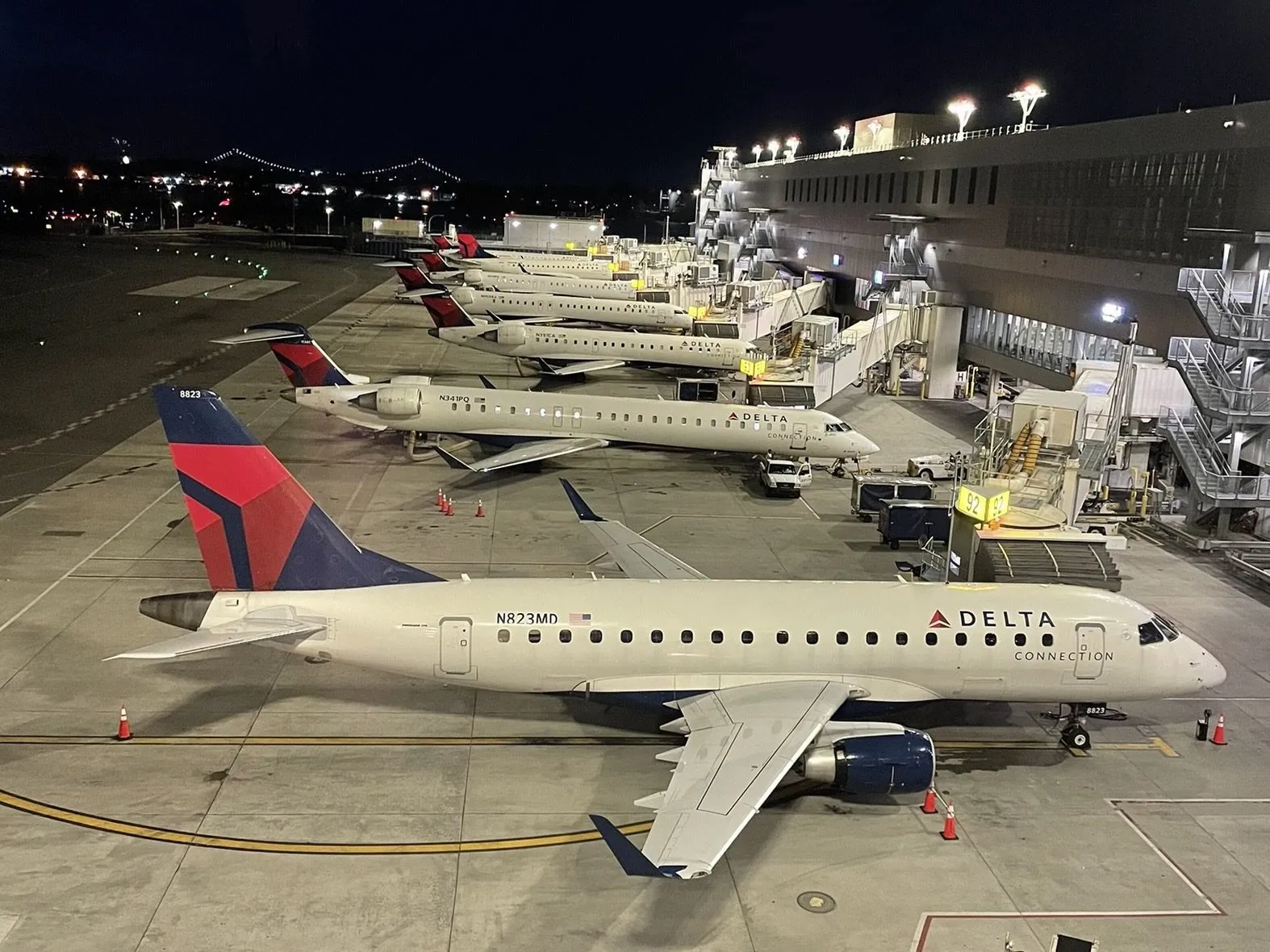
The Federal Aviation Administration ordered every departing flight at every airport in the United States held on the ground on Friday afternoon, an extraordinary nationwide ground stop that froze departures at John F. Kennedy International Airport, LaGuardia Airport and Newark Liberty International Airport and stranded thousands of travelers across the New York area. The order, issued by the FAA Air Traffic Control System Command Center, took effect at 3:54 p.m. Eastern. Aircraft already airborne were allowed to fly on to their destinations, and international arrivals were handled one by one.

The FAA advisory, as quoted in coverage of the order, told aircraft operators that all airports were ground stopped for reasons of safety and that departing traffic should remain stopped until further notice. The problem, as the FAA stated it, was a communication issue affecting all of the Air Route Traffic Control Centers, the facilities that manage flights at cruising altitude between airport areas. Transportation Secretary Sean Duffy said at a White House briefing on Friday evening that radar and communications data became unstable at the en route centers and at terminal radar approach control facilities, and he attributed the failure to older switches and routers overloaded with data.
Duffy said at the briefing, as reported by the New York Post, that controllers had begun to see "inconsistency in the data from the radars" and in their communication with airplanes. "At that point we issued a ground stop," he said. Duffy said more than 3,500 airplanes were in the sky when the stop was ordered, and that all but 400 of them had landed before the stop was lifted at around 8:15 p.m. The FAA announced on its website at around 8:30 p.m. that the nationwide ground stop had been canceled, and its National Airspace System status board, checked at 10 p.m., showed no nationwide stop in effect, with local delays only.
The New York airports were among the hardest hit in the country. Cirium, the aviation analytics company, counted in its 10:30 p.m. snapshot of Friday's schedules that 232 of LaGuardia's 533 scheduled departures, 43.53 percent, were canceled or had not flown within three hours of their scheduled time, and that the same measure at Kennedy stood at 188 of 533 departures, 35.27 percent. Across the country, Cirium put 8,267 of Friday's 26,284 scheduled departures in that combined canceled or no-fly category. FlightAware counts reported on Friday evening passed 4,000 cancellations and 11,000 delays nationwide, and hundreds of Saturday flights had already been canceled by Friday night.
Homeland Security Secretary Markwayne Mullin, who joined Duffy at the White House briefing, said officials had found no indication of a cyberattack so far. Asked whether one had been ruled out, Mullin said: "We're still looking at it. We're not ruling out anything." The failure, in Duffy's preliminary assessment, was a legacy network problem rather than a finished finding on the cause, and he used the briefing to ask Congress for $50 billion for an air traffic control overhaul.
Lifting the stop did not restart the system at once. Whether a flight could leave on Friday night depended on whether its pilots and flight attendants were in place, Duffy said, and some aircraft would not move until Saturday morning. "But it's going to take us some time to unwind what's happened this afternoon," he said. At LaGuardia, the Post reported, an announcement told travelers to expect a two to three hour wait to collect luggage checked in on canceled flights. Cirium's Friday night snapshot already showed 1,201 of Saturday's 22,232 scheduled departures nationwide in the canceled or no-fly column, and officials said schedules would stay disrupted through the weekend.
The FAA last paused departures nationwide on January 11, 2023, during an outage of its pilot safety alert system. Friday's stop came less than two weeks before the Thanksgiving travel period. Duffy said he expected operations to be fully back up and running by the height of the Thanksgiving travel season, and the agency advised passengers to check with their airlines before leaving for the airport.