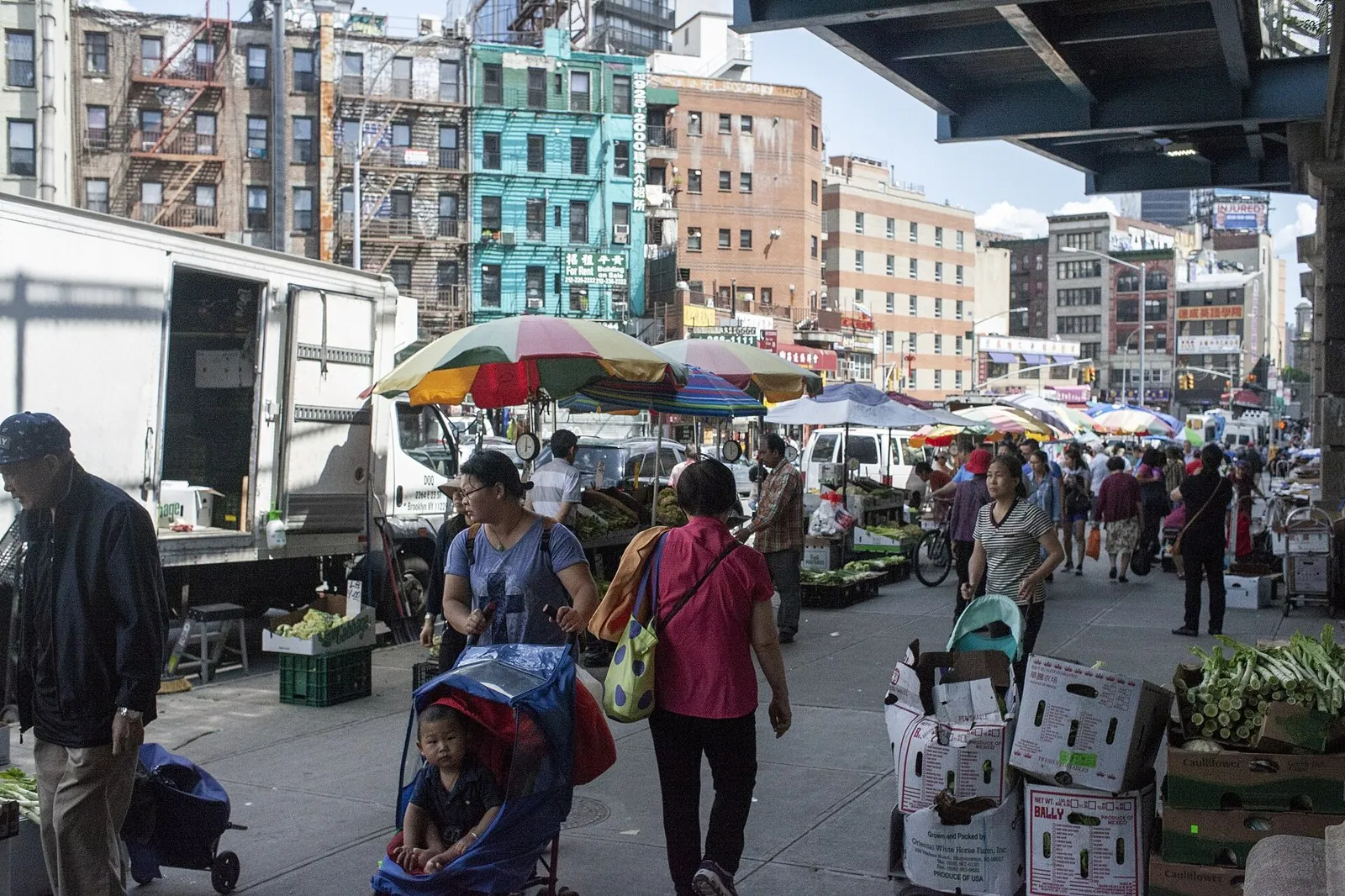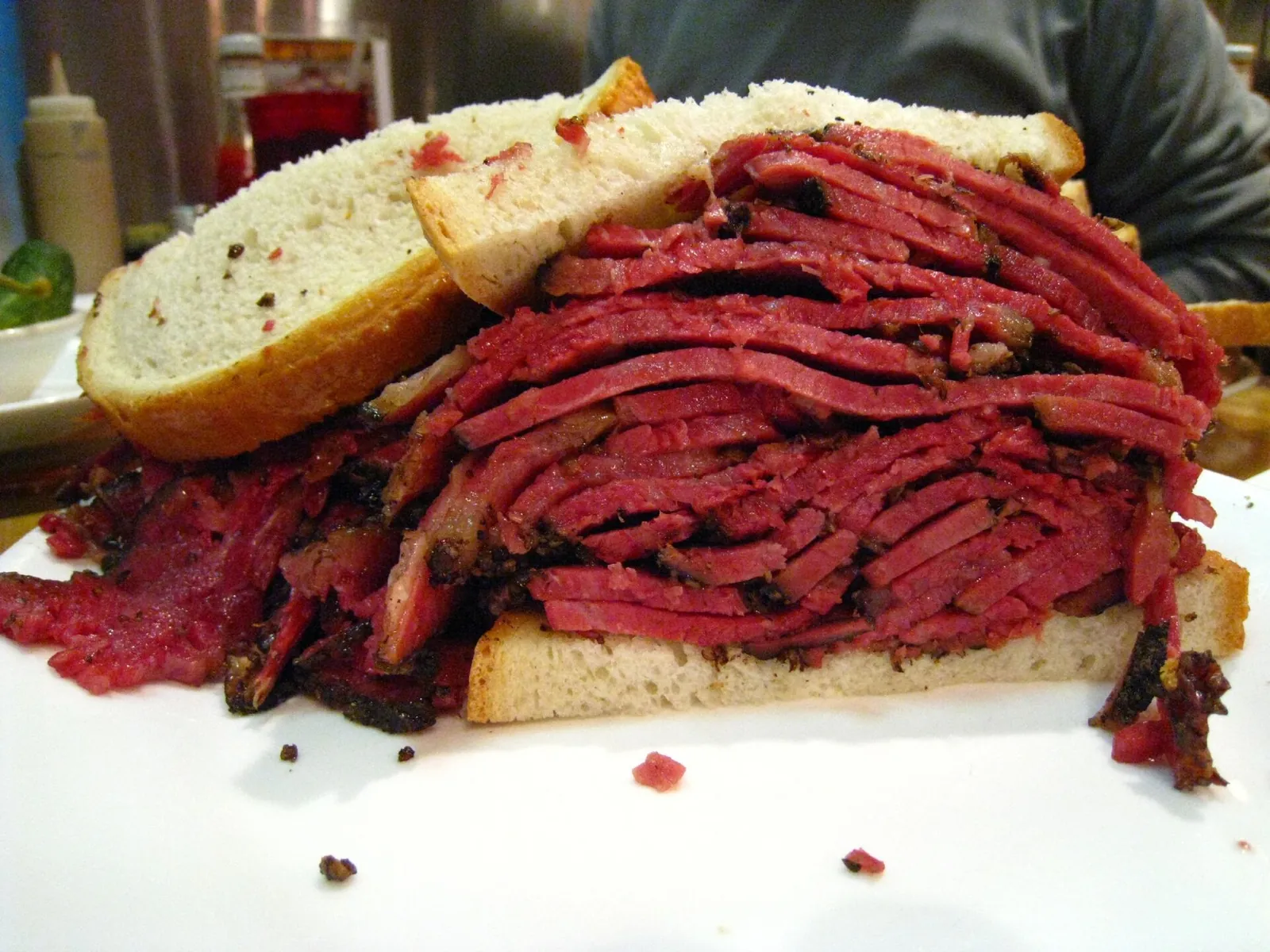
Mayor Zohran Mamdani signed Executive Order 25 on Wednesday, telling city agencies to make publicly funded meal programs more welcoming to religious dietary practice and giving his food policy office one year to produce citywide guidance covering halal, kosher and other faith-based dietary needs.
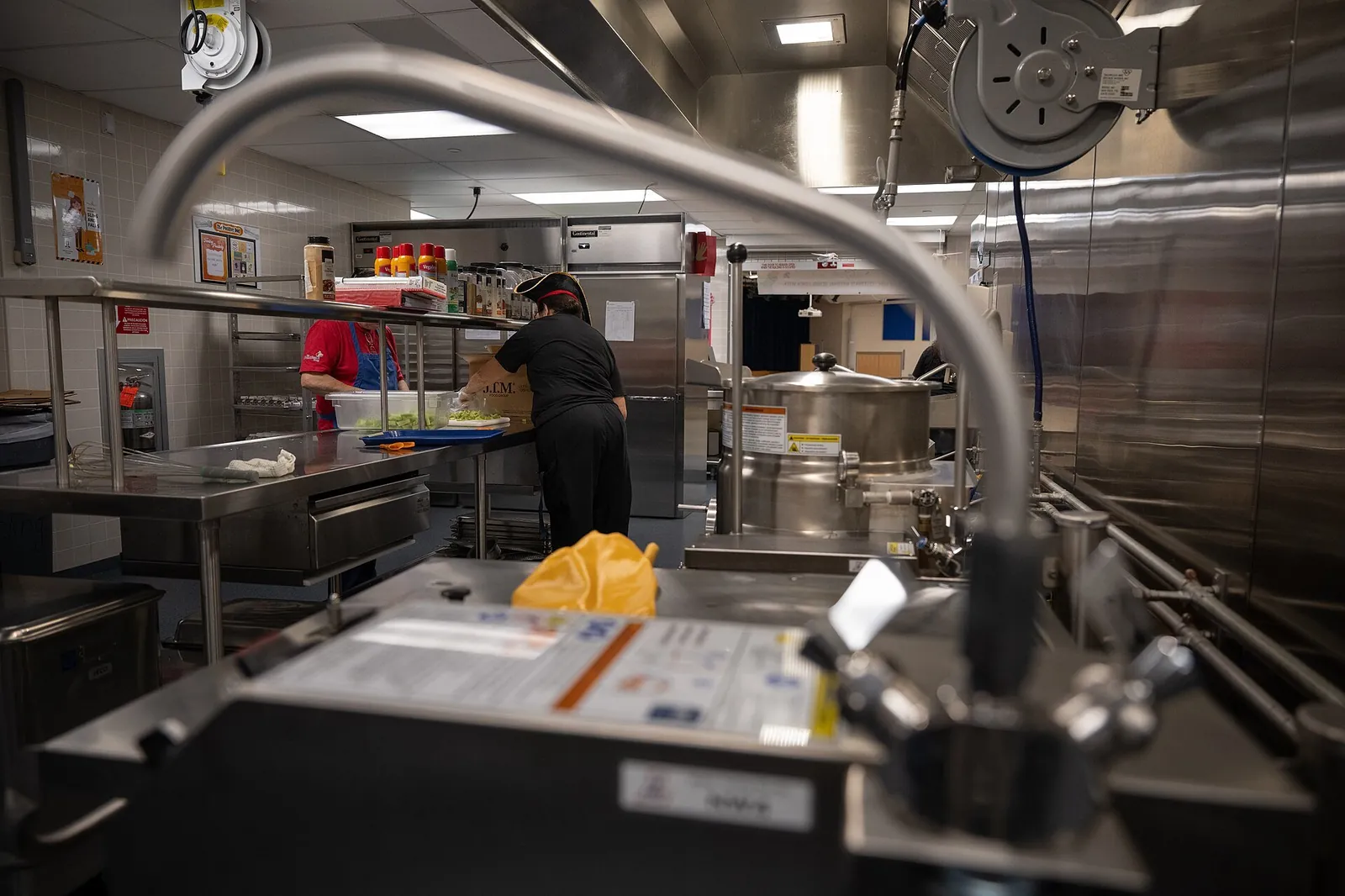
"The meals New York government serves should reflect the people who call this city home. No New Yorker should have to turn down a nutritious meal because it violates their religious practice," Mamdani said in the announcement. "We serve more than 220 million meals and snacks every year. That is an enormous responsibility, and one we must meet by making sure students in schools and seniors in community centers eat delicious, healthy food that is consistent with their faith."
The scale is the whole of city government feeding. Agencies serve more than 220 million meals and snacks a year. The recipients are public school students, hospital patients, older adults and people living in shelter, among others, and for many people experiencing food insecurity those programs are a critical source of daily nutrition. Accommodations exist today, the administration said, but they are available on request and vary, and the order is meant to replace that patchwork with a consistent approach.
Under the order, the Mayor's Office of Food Policy will develop the New York City Guidance for Provision of Food to New Yorkers Who Observe Religious Dietary Restrictions within the next year. The guidance will set best practices in three areas: how third-party certifiers vouch for halal and kosher meals, how those meals and their ingredients are labeled so diners can see what they are getting, and how the city surveys the people who eat in its programs each year. It will build on existing state programs and address gaps in current practice.
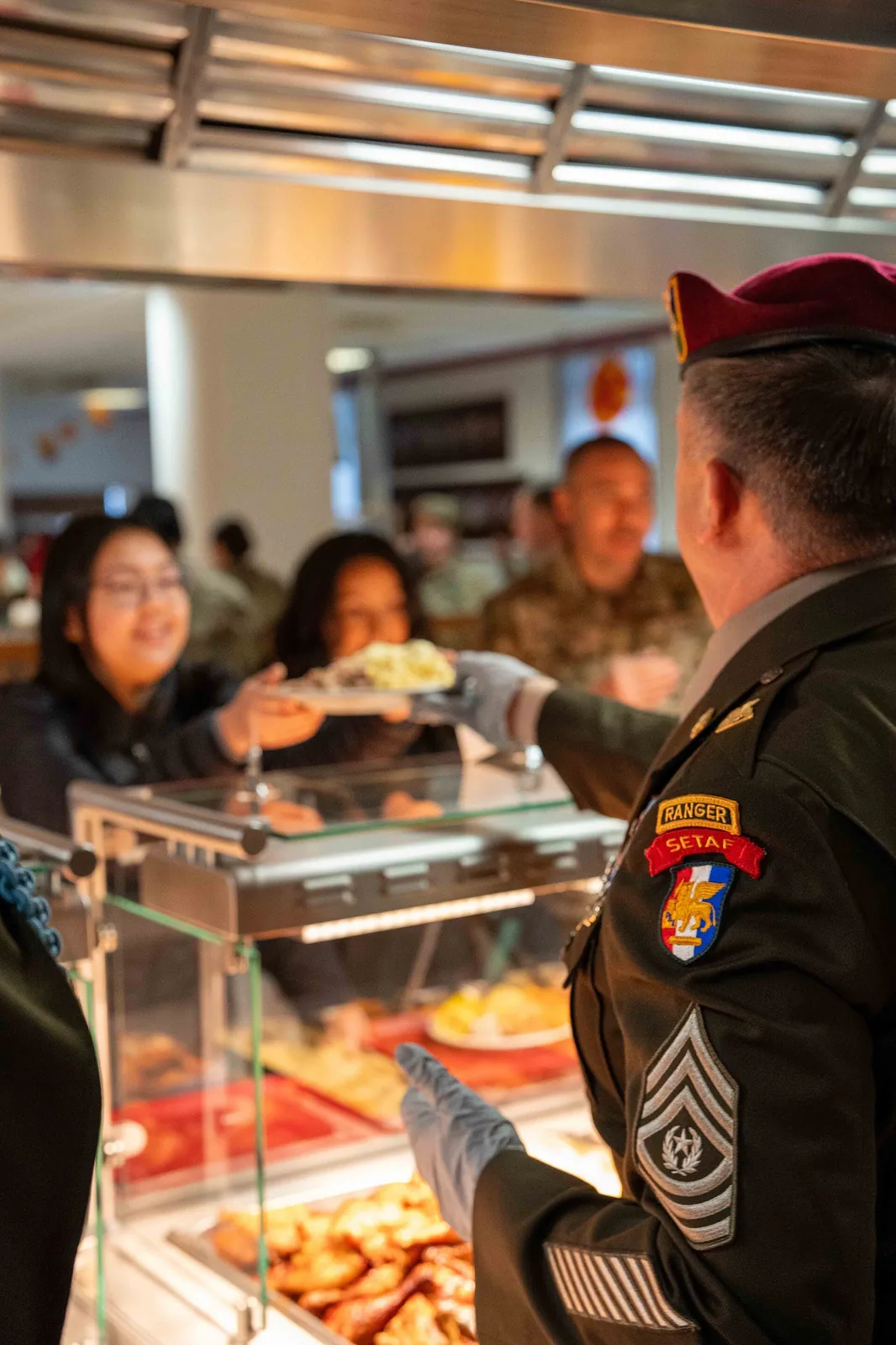
Agencies must take all steps practicable to implement the guidance, which the signed order requires the food policy office to circulate to all agency heads by November 18, 2027. Meals will still have to meet the updated NYC Food Standards, in force since July 1, 2026. The order also feeds into Food Forward NYC, the 10-year food policy plan through which the city aims to widen access to food that is affordable, healthy and culturally relevant.
"As our administration fights to confront food insecurity, we must make sure that the meals we serve are high-quality, nutritious and accessible to every New Yorker," said Deputy Mayor for Health and Human Services Dr. Helen Arteaga. "This Executive Order is a monumental step toward making our public meal programs more inclusive and ensuring no New Yorker is left behind." Food Policy Executive Director Siddhartha Sanchez said, in an excerpt carried in the release: "The Food Guidance can affirm New Yorkers' religious beliefs and restore their trust in the food served by the City."
The agencies that feed the most New Yorkers backed the order in the announcement. Schools Chancellor Kamar Samuels said the school system wants every child to know they belong, including at the table, and looked forward to strengthening its practices through the guidance. The Department for the Aging provides more than 10 million meals a year to tens of thousands of older adults, Commissioner Dr. Lisa Scott-McKenzie said. Correction Commissioner Stanley Richards said that honoring a person's faith at mealtime is a matter of basic dignity, one owed equally to people in his department's care.
Community organizations pressed the point that certification has to be trustworthy, not just promised. Imam Abdullah, president of the Majlis Ash-Shura of Metropolitan New York, said halal meals must be accessible, properly verified and held to halal integrity through meaningful standards and oversight. Daniel Rosenthal of UJA-Federation of New York said more than 2 million people visited food pantries operated by the federation's nonprofit partners last year, which distributed 13.2 million pounds of food. Mohammad Razvi of the Council of Peoples Organization, which the announcement describes as the nation's first Halal Meals on Wheels provider, called the order a historic moment after more than 16 years of work.
What changes first is paperwork, not menus. The order itself writes no new menu and certifies no kitchen; it starts a year of guidance writing, after which agencies are to put the standards into practice across the largest public feeding operation in the city.