A year after tolls went live below 60th Street in Manhattan, the MTA is declaring its congestion pricing experiment a success. In a first-anniversary accounting, the authority and the governor's office credited the program with 27 million fewer vehicle entries into the zone, an 11 percent drop in traffic, and more than $550 million in net revenue.
The revenue figure matters most for the system's future. The MTA says the toll proceeds have enabled $15 billion in transit capital projects, the long-promised payoff that supporters used to sell the program through years of political and legal fights.
The program began on January 5, 2025, making New York the first American city to charge drivers for entering a congested downtown zone. Passenger vehicles with E-ZPass pay $9 during the peak period and $2.25 overnight, collected once per day. Taxis, for-hire vehicles, motorcycles, and buses pay different rates, and exemptions cover emergency vehicles, school buses, and drivers with disabilities.
The tolling infrastructure reads license plates at more than 100 detection points along the zone's boundary. Drivers without E-ZPass are billed by mail at a higher rate, and the MTA publishes monthly reports tracking vehicle entries, speeds, and revenue against its projections.
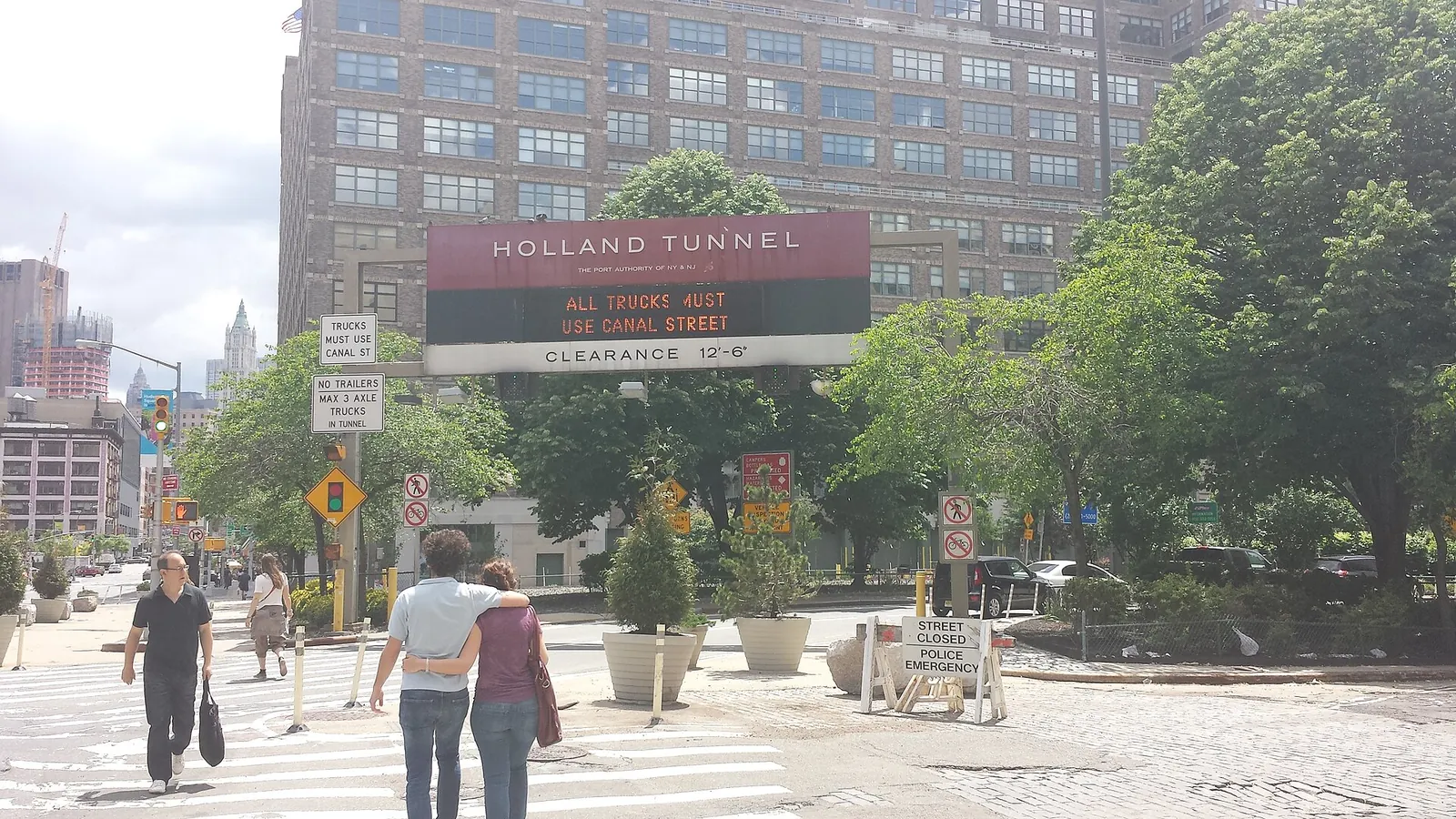
The anniversary marks a striking turnaround for a policy that spent years in doubt. Congestion pricing survived a federal challenge, a change of governors' postures in Albany, and sustained opposition from drivers and outer-borough elected officials before the first gantries switched on. Its defenders argued that pricing the most crowded streets in America was the only honest way to fund the subways and buses that carry the overwhelming majority of commuters into Manhattan.
Critics have not gone quiet. Opponents continue to argue that the toll functions as a regressive charge on working drivers with no transit alternative, and lawsuits challenging the program's structure are still moving through the courts. What the first-year numbers do is shift the argument from projections to results: the traffic fell, the money arrived, and the capital plan has its funding stream.
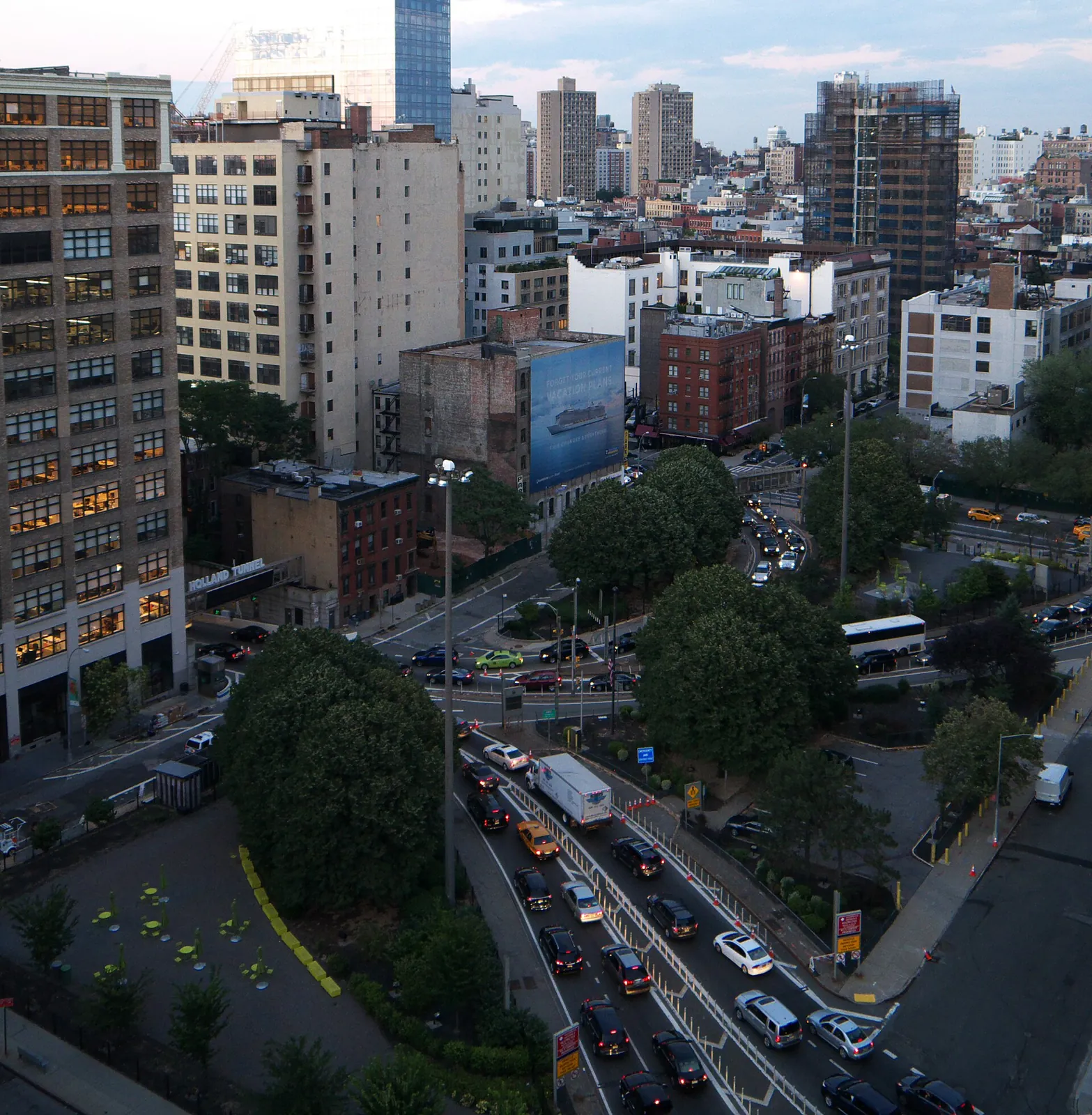
The $15 billion now attached to toll revenue reaches deep into the capital program, from signal modernization to station accessibility work. For riders, the question is how quickly that money turns into visible improvements. For the toll's opponents, the question is whether the courts or a future administration undo the whole structure.
One year in, the program that was supposed to be politically impossible is simply the way Manhattan works now.