A federal safety standard for the lithium-ion batteries in e-bikes and e-scooters is one signature away, and at City Hall on Friday the Council's message was that Washington's move does not excuse the city letting its own battery trade-in program lapse while fires climb.
The Senate passed the Setting Consumer Standards for Lithium-Ion Batteries Act by unanimous consent on Thursday, the Senate floor record shows. The bill, H.R. 973, directs the Consumer Product Safety Commission to set binding federal safety standards for lithium-ion batteries and the electrical systems of micromobility devices within 180 days of enactment, gives those standards the force of a mandatory consumer product safety rule so regulators can halt the sale, distribution or import of noncompliant devices, and requires the commission to report to Congress, not later than five years after enactment, on fires, explosions and other hazards involving the batteries, according to Senators Kirsten Gillibrand and Chuck Schumer. The House passed the bill in 2025, and it now heads to the president's desk.
"We have lost far too many New Yorkers due to underregulated lithium-ion batteries," said Senator Gillibrand. "Fires ignited by poorly manufactured lithium-ion batteries used in e-bikes and e-scooters are on the rise, putting New Yorkers in danger. Passing this bill is an important step in preventing future fires. I urge the president to immediately sign this bill into law and for CPSC to meet its requirements."

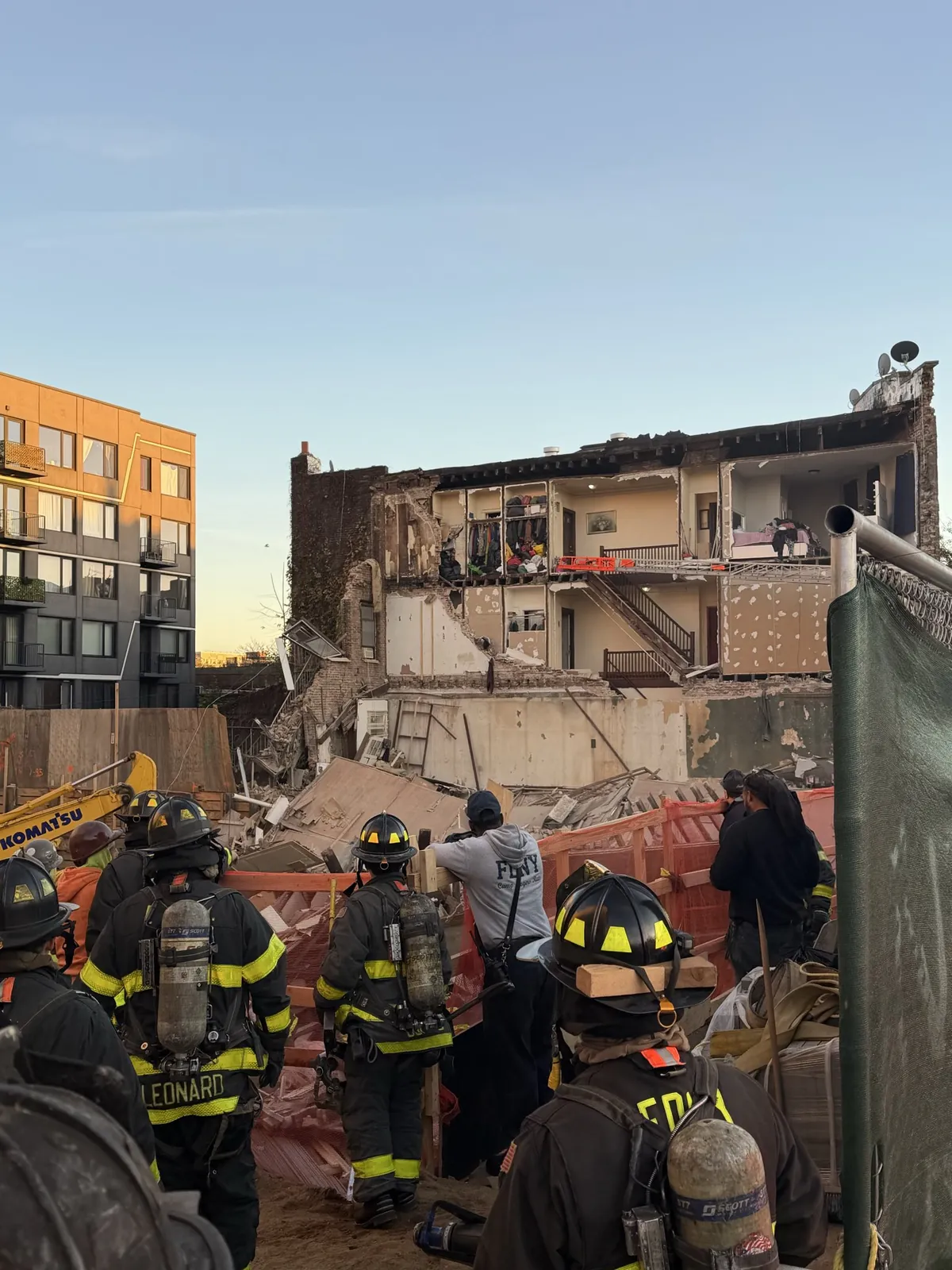
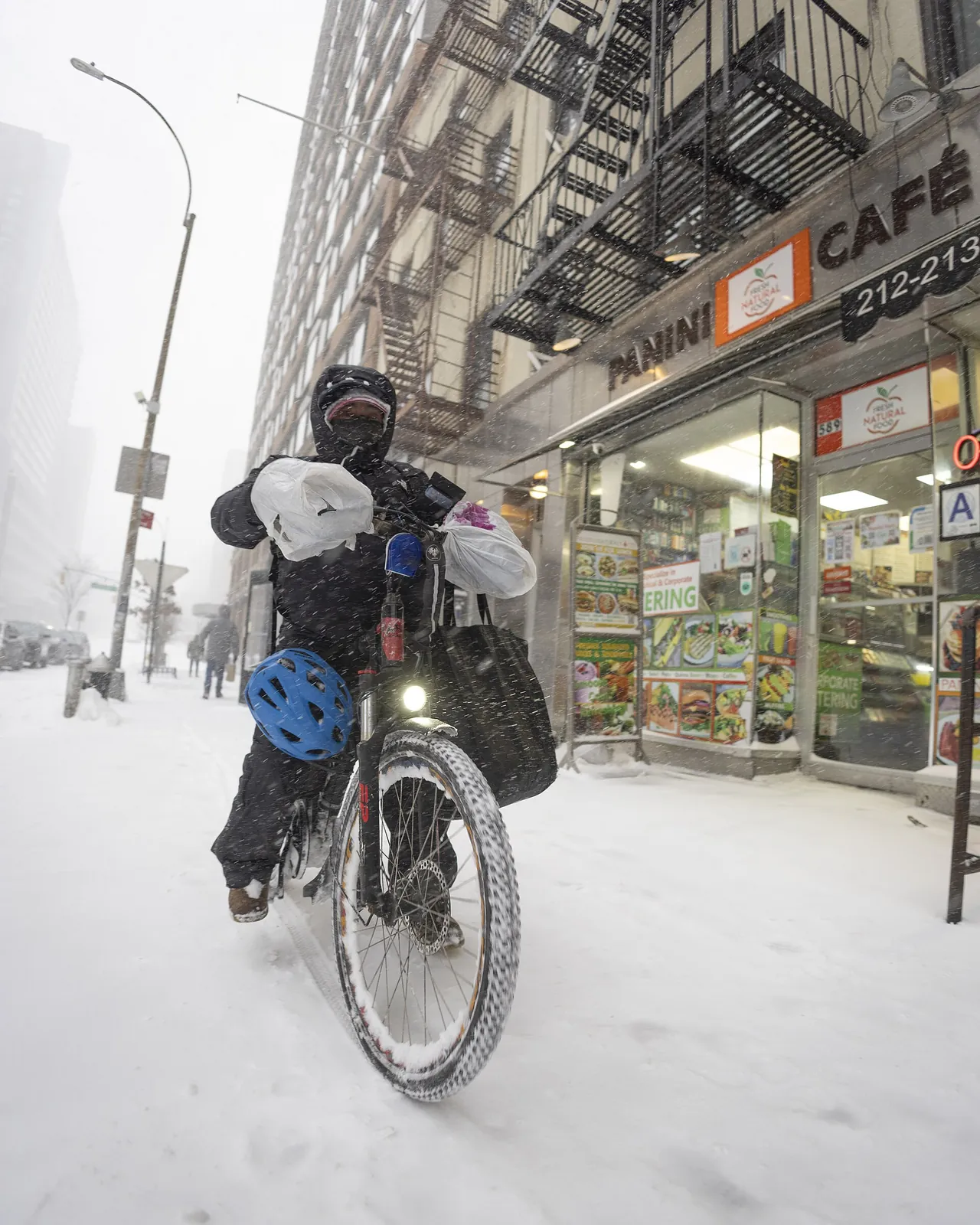
The senators' release ties the bill to three recent deadly fires with possible or confirmed links to faulty lithium-ion batteries: in Mott Haven in the Bronx on October 28, which killed four people; in Sunset Park in Brooklyn on November 5, which killed six; and in Colonie on November 13, which killed two. The Council announced its emergency hearing on November 6, after the Bronx and Sunset Park fires. "The recent building fires in Sunset Park and in the South Bronx, which collectively claimed the lives of 10 New Yorkers, are heartbreaking tragedies that underscore the urgent need for action to prevent further loss of life," said Speaker Julie Menin in the announcement. "As e-bikes and e-scooters continue to become a more common mode of transportation by commuters and delivery workers throughout our city, we must confront the serious fire safety risks posed by lithium-ion batteries."
At Friday's joint oversight hearing, led by Menin with Council Members Joann Ariola and Pierina Sanchez, the count had risen again. Streetsblog reported from the hearing that battery-linked fires have reached 421 so far this year, with nine deaths, against 268 fires in all of last year. The Council's November 6 announcement, citing the FDNY, had put the year-to-date count at 406, against 241 over the same period in 2025, with nine deaths and 70 injuries. The nine deaths are the FDNY's confirmed battery-fire tally; the Sunset Park fire is not in the confirmed count while its cause remains under investigation, which is why the Bronx and Sunset Park fires together killed 10 people while the confirmed tally for the year stands at nine. Fire Commissioner Lillian Bonsignore told the Council the department would welcome another trade-in program, Streetsblog reported, and FDNY officials described 843 inspections of bike shops in 2025 and about half that number this year, saying uncertified batteries are now rarely seen for sale in shops even as cheaper uncertified equipment remains available online and through informal sales.
The trade-in program at the center of the hearing was created by 2023 legislation and run as a $2 million pilot under which about 400 delivery workers swapped uncertified batteries or whole e-bikes for UL-certified replacements during events in 2025, Streetsblog reported; the Transportation Department's own completion release put the number at 402 workers. It ended when the end date written into the legislation arrived, Department of Transportation spokesman Vin Barone said, adding that the agency is working with the Council on an expanded program drawing on the pilot's lessons. Menin told the panel the administration does not need a new Council mandate to restart a program that worked, and demanded that it go back into effect. The FDNY, Streetsblog reported, backed one of the seven bills aired at the hearing, a proposal by Council Member Susan Zhuang that would let the city shut a shop caught selling uncertified batteries after a second violation rather than waiting for a third, while cautioning that the fire-safe storage bags another bill would require sellers to give their customers are not proven effective. First Deputy Commissioner Daniel Flynn told the Council that even certified batteries degrade with wear, weather and street use, and that a certified device should not be treated as completely safe.
The two tracks now run on different clocks. The federal standard, if the president signs the bill, is due from the commission within 180 days of enactment and reaches upstream to manufacture and import; the FDNY told the Council that the point of sale is where regulation works most effectively. The city's own tools, the trade-in, shop inspections and the seven bills before the Council, remain in the hearing stage, with no restart date announced for the trade-in program.