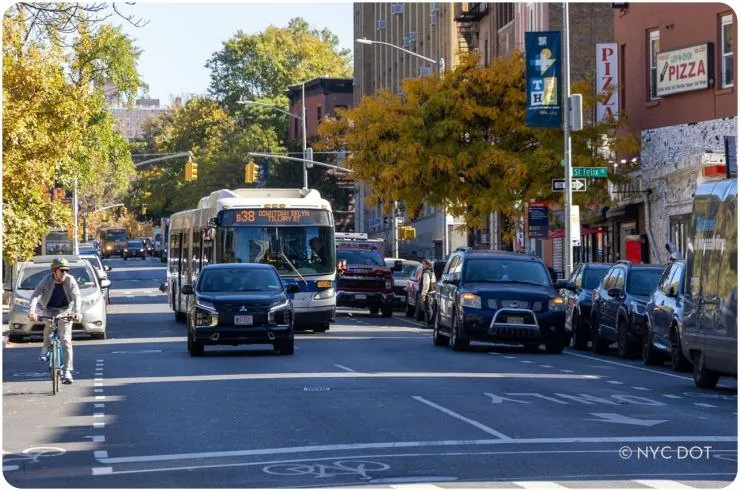
The buses on DeKalb and Lafayette avenues are getting their own lanes. Mayor Zohran Kwame Mamdani and Transportation Commissioner Mike Flynn announced on Thursday that construction has begun on a redesign of the two Brooklyn avenues, a project meant to speed up the B38 bus, protect cyclists and make two crash-prone corridors safer for the people walking them.
The work covers DeKalb Avenue from Broadway to Flatbush Avenue and Lafayette Avenue from Ashland Place to Patchen Avenue, running from Downtown Brooklyn through Fort Greene and Clinton Hill toward Bedford-Stuyvesant and Bushwick. Together the two stretches will gain 2.7 miles of new offset and curbside bus lanes, along with protected bike lanes and other safety upgrades, the mayor's office said.
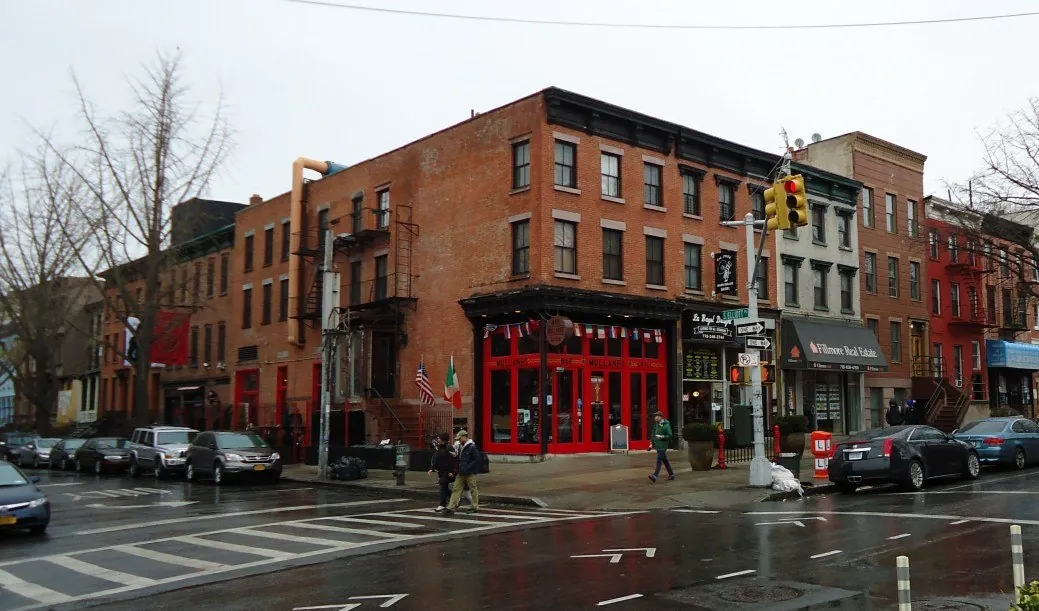
"New Yorkers shouldn't have to choose between getting where they need to go on time and getting there safely," Mamdani said in the announcement. "On DeKalb and Lafayette, we're putting that principle into practice with fast buses, protected bike lanes and safer streets." The administration framed the start of work as a promise kept on schedule: the project was first proposed in September, and crews are now putting it in the ground this fall.
The case for the redesign starts with who uses these streets. Within a quarter-mile of the B38, the mayor's office says, most households do not own a vehicle, and 80 percent of residents get to work without a car, by public transit, by bike or on foot. The corridor also carries a hard safety record: 841 people have been injured in crashes on the two avenues since 2021, 47 of them severely, and one person has been killed.
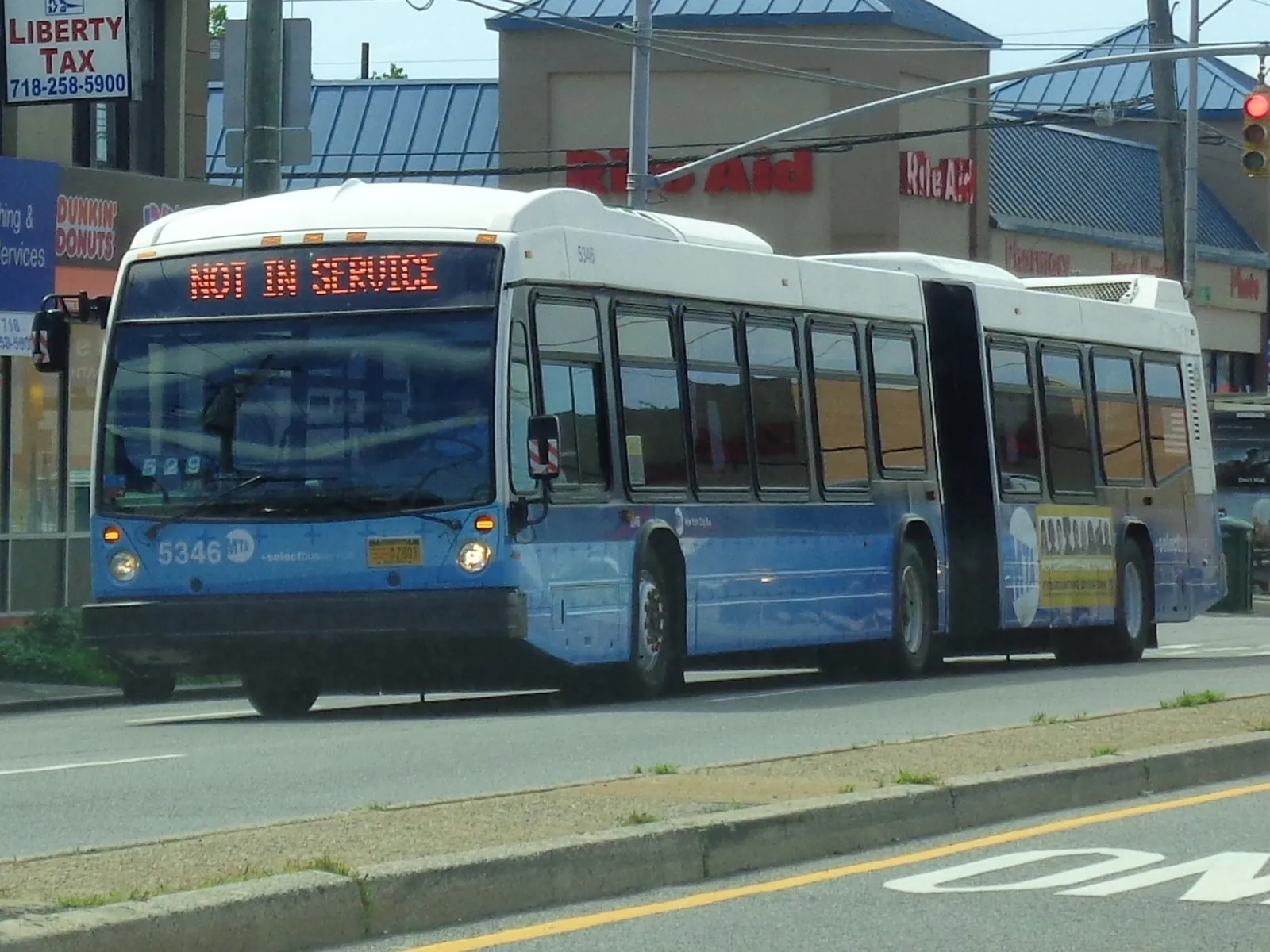
The project is one piece of a much larger bus programme. It belongs to Next Stop: Fast Buses, Better Service, the partnership Mamdani built with Governor Kathy Hochul and the Metropolitan Transportation Authority and unveiled in July, which aims to make service faster and more reliable across 175 bus routes, nearly 75 percent of the city's bus network. Janno Lieber, the MTA chair and chief executive, put Brooklyn "at the center of a bus revolution" under this governor and this mayor, and said the 18,000 New Yorkers who ride the B38 each day had waited long enough for it.
Flynn, whose department is building the lanes, argued that the quality of a bus ride should not depend on a rider's address. The redesign, he said, will raise bus speeds and improve reliability on the two avenues while giving every road user a safer route and giving pedestrians calmer corridors to cross.
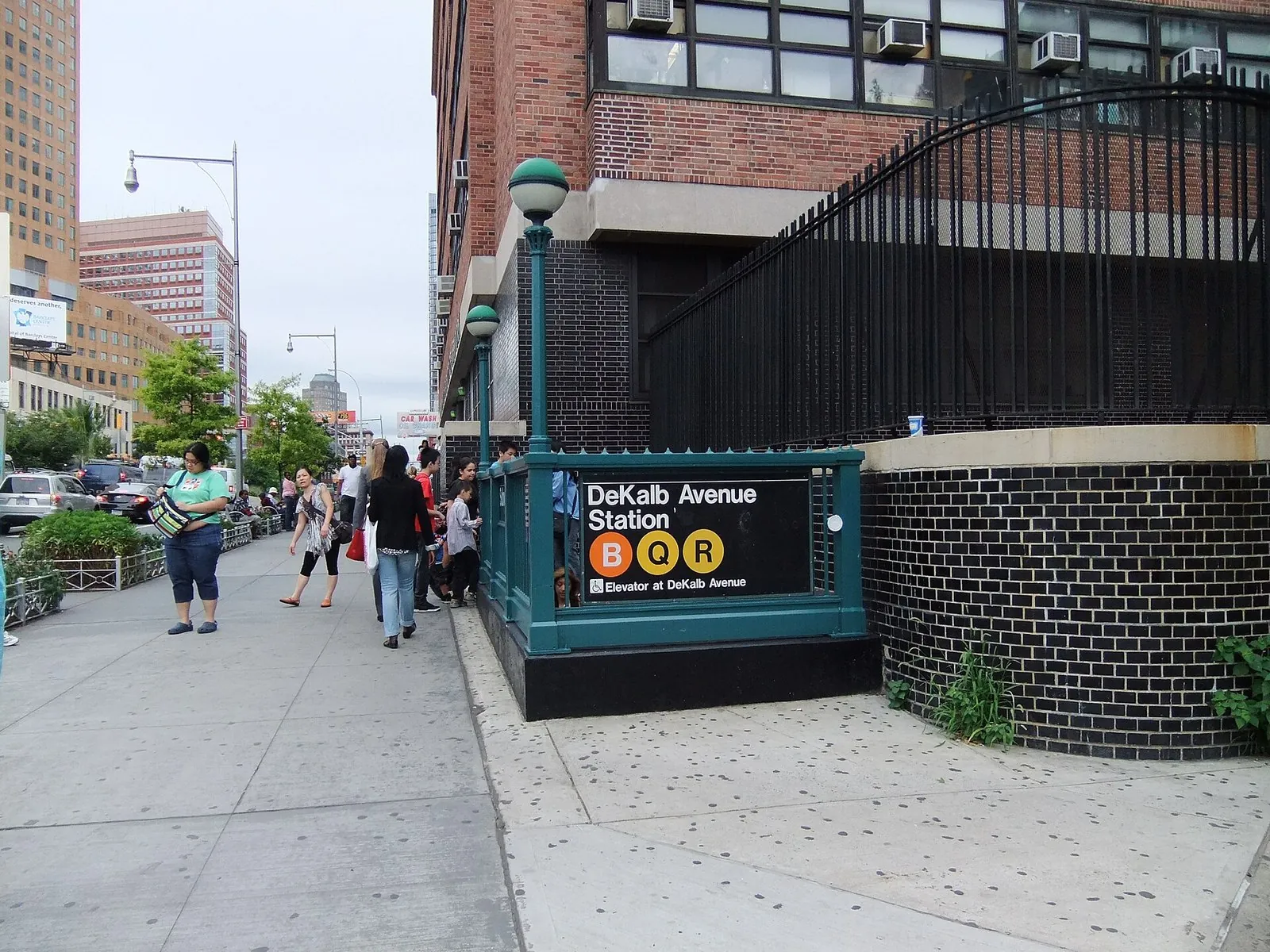
DeKalb and Lafayette join a run of bus and street safety projects the administration says it has advanced across all five boroughs this year. For the riders who board the B38 at the corridor's crowded stops, the test of Thursday's start of work will be simpler than the programme around it: whether the bus, once the lanes are painted and protected, actually moves faster than the traffic beside it.