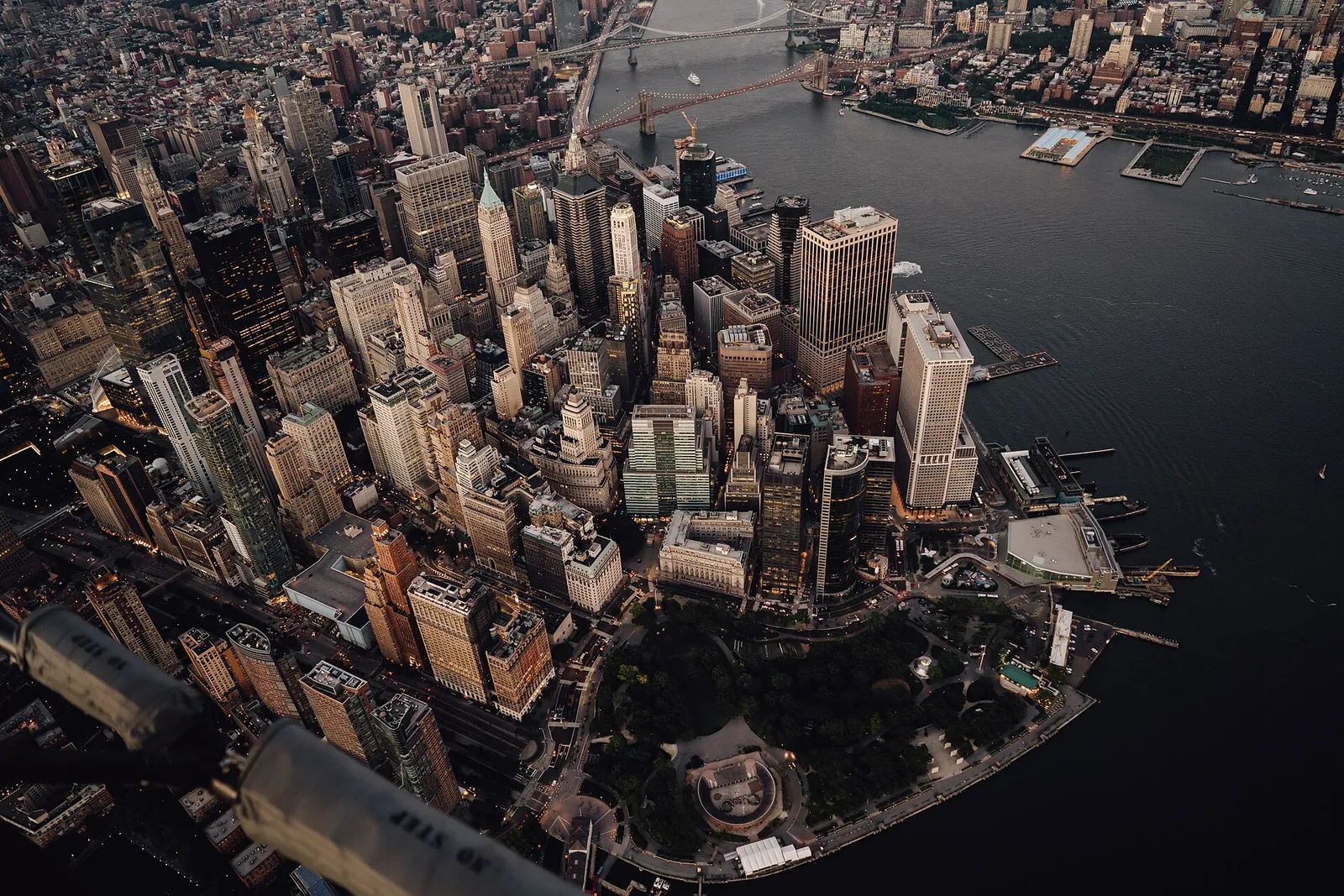
There are 59 community boards in New York City: 12 in Manhattan, 12 in the Bronx, 14 in Queens, 18 in Brooklyn, and three on Staten Island. They are the most local layer of city government, and for most New Yorkers they are also the most reachable.
Each board has up to 50 unsalaried members, appointed by the borough president, with half nominated by the City Council members who represent the district. Members must live in, work in, or have a significant interest in the community they represent. Board members are considered officials of the City of New York.
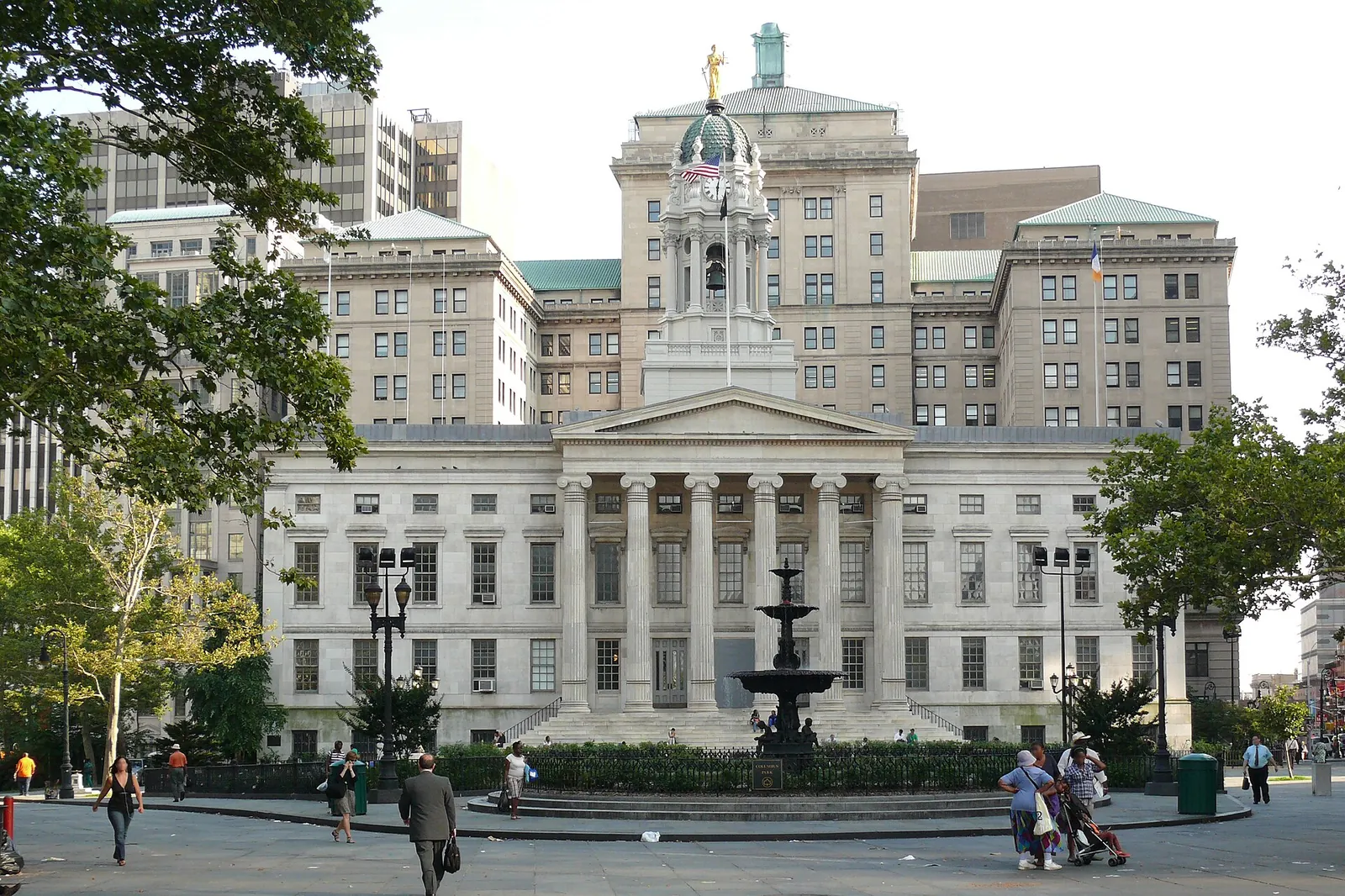
What do they actually do? Community boards have an important advisory role in land use and zoning, the city budget, and municipal service delivery. Any application for a zoning change or variance must come before the board for review, and the board's position is considered in the final decision. Boards assess neighborhood needs, meet with city agencies, and make recommendations in the city's budget process.
The boards meet monthly, and the meetings are a public forum: residents get the chance to address the board and express opinions on local issues. Committees do the detailed work, researching issues, holding public hearings, and bringing recommendations to the full board. Each board also hires a full-time district manager who runs a district office, the place that takes residents' complaints about city services, processes applications for street activities and special events, and acts as the neighborhood's liaison to the agencies.
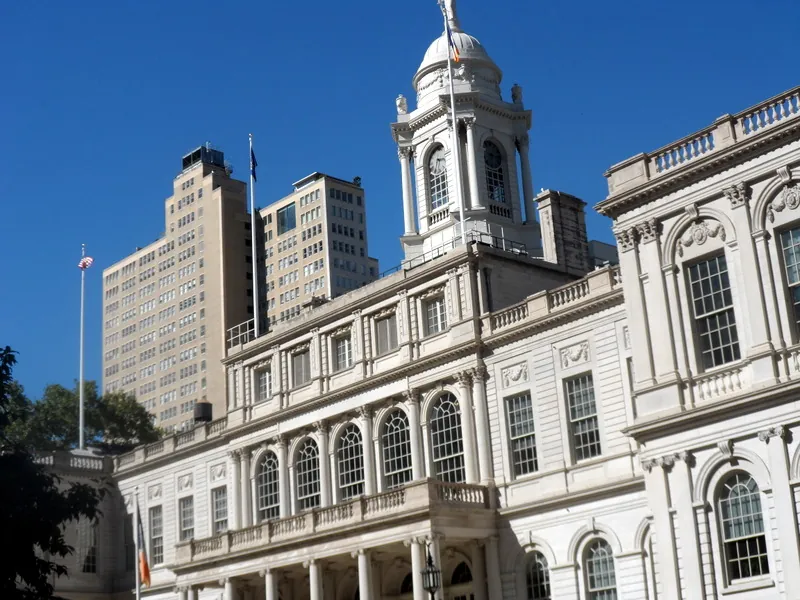
There are limits, and they are worth knowing. A community board cannot order any city agency or official to do anything. The board, its district manager, and its staff serve as advocates and service coordinators. In practice, a persistent advocate with a direct line to the agencies is often exactly what a neighborhood problem needs, which is why the district manager's office is worth knowing by name.
Start by finding your board on the city's official community boards page. Go to a meeting. Bring a specific problem, a pothole, a broken streetlight, a zoning notice you do not understand, and watch how the room works. The fastest way to learn your neighborhood's civic wiring is to sit in the room where it gets discussed.