New York City is five boroughs that grew into one city. Manhattan, Brooklyn, Queens, the Bronx, and Staten Island each keep a distinct civic and cultural identity, and each has a borough president advocating for it. Three of the five boroughs have their own borough halls, Brooklyn, Queens, and Staten Island. The Manhattan borough president works from the Municipal Building in Lower Manhattan, and the Bronx borough president from the county courthouse on the Grand Concourse. Understand the five and you understand the city.
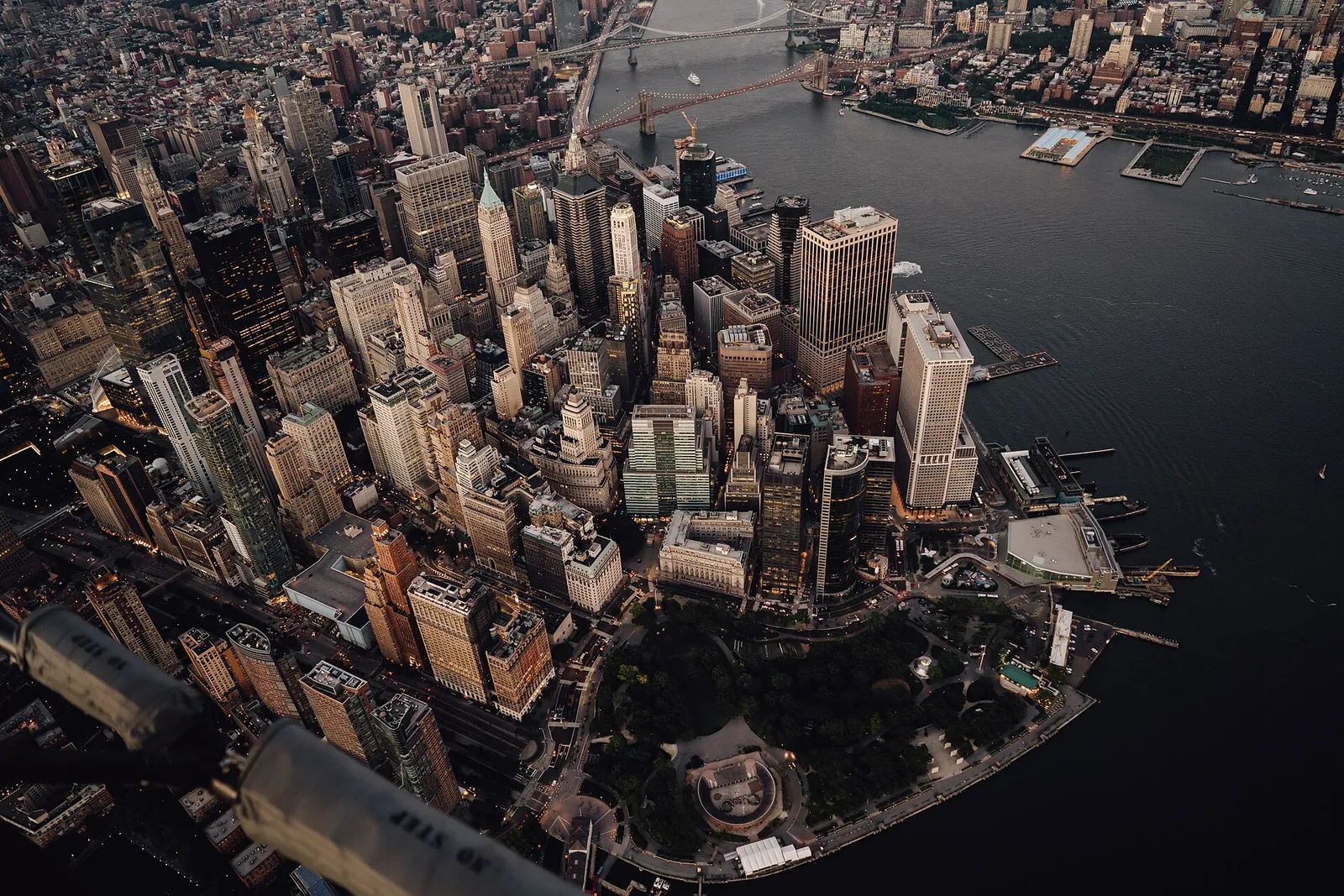
Manhattan is the civic and financial core. City Hall sits in Lower Manhattan, and the Financial District crowds the southern tip of the island, with Battery Park at its foot and the Brooklyn Bridge spanning the East River behind it. The mayor's office, the courts, and much of the city's financial industry are all within a few square blocks of each other downtown.
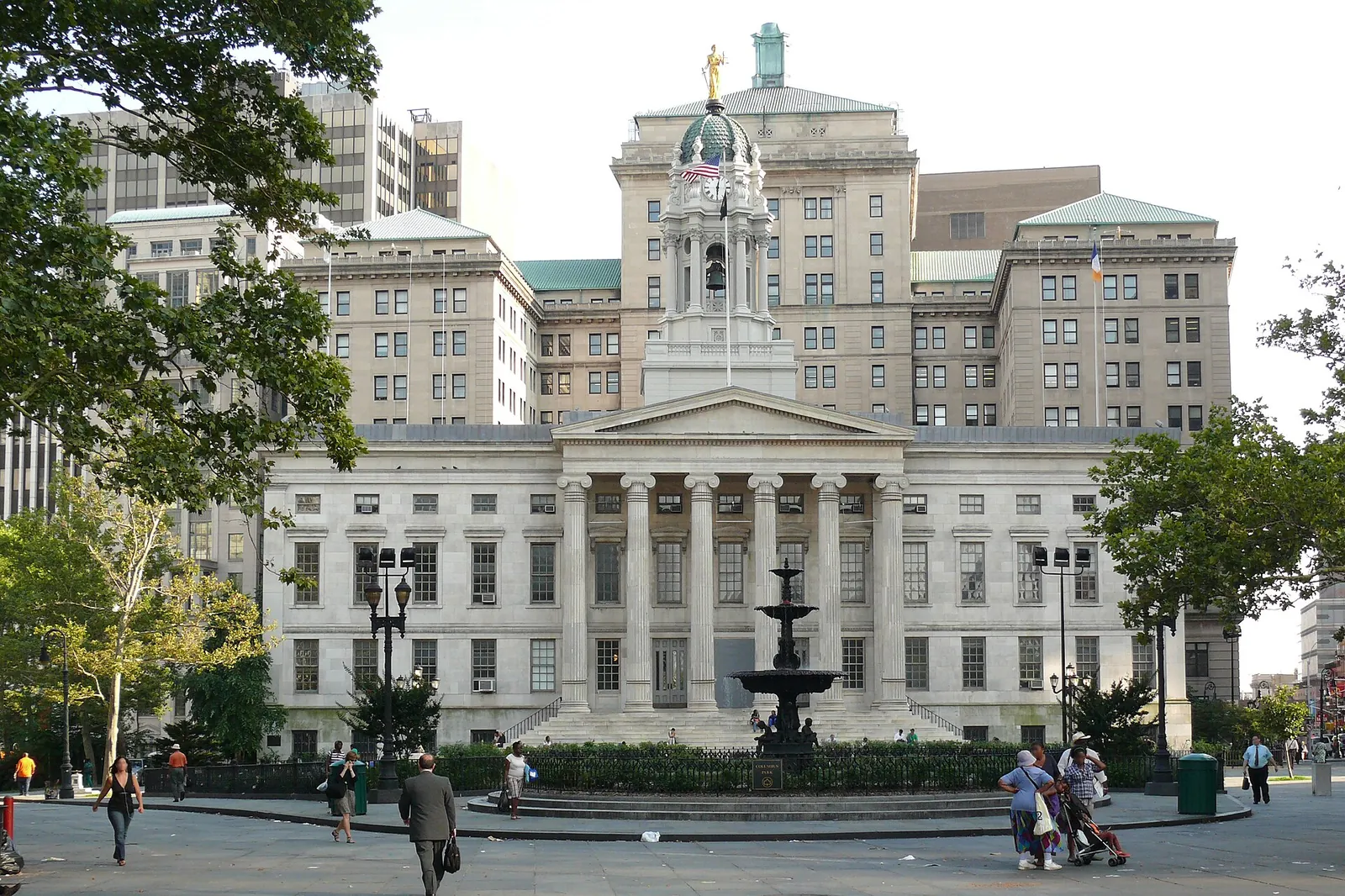
Brooklyn was once its own city, and it still carries itself like one. Its borough hall in Downtown Brooklyn opened in 1848 as the city hall of the independent City of Brooklyn, designed in the Greek Revival style with a columned portico and a cupola. Brooklyn also holds the most community boards of any borough, 18 of the city's 59, a sign of how many distinct neighborhoods it contains.
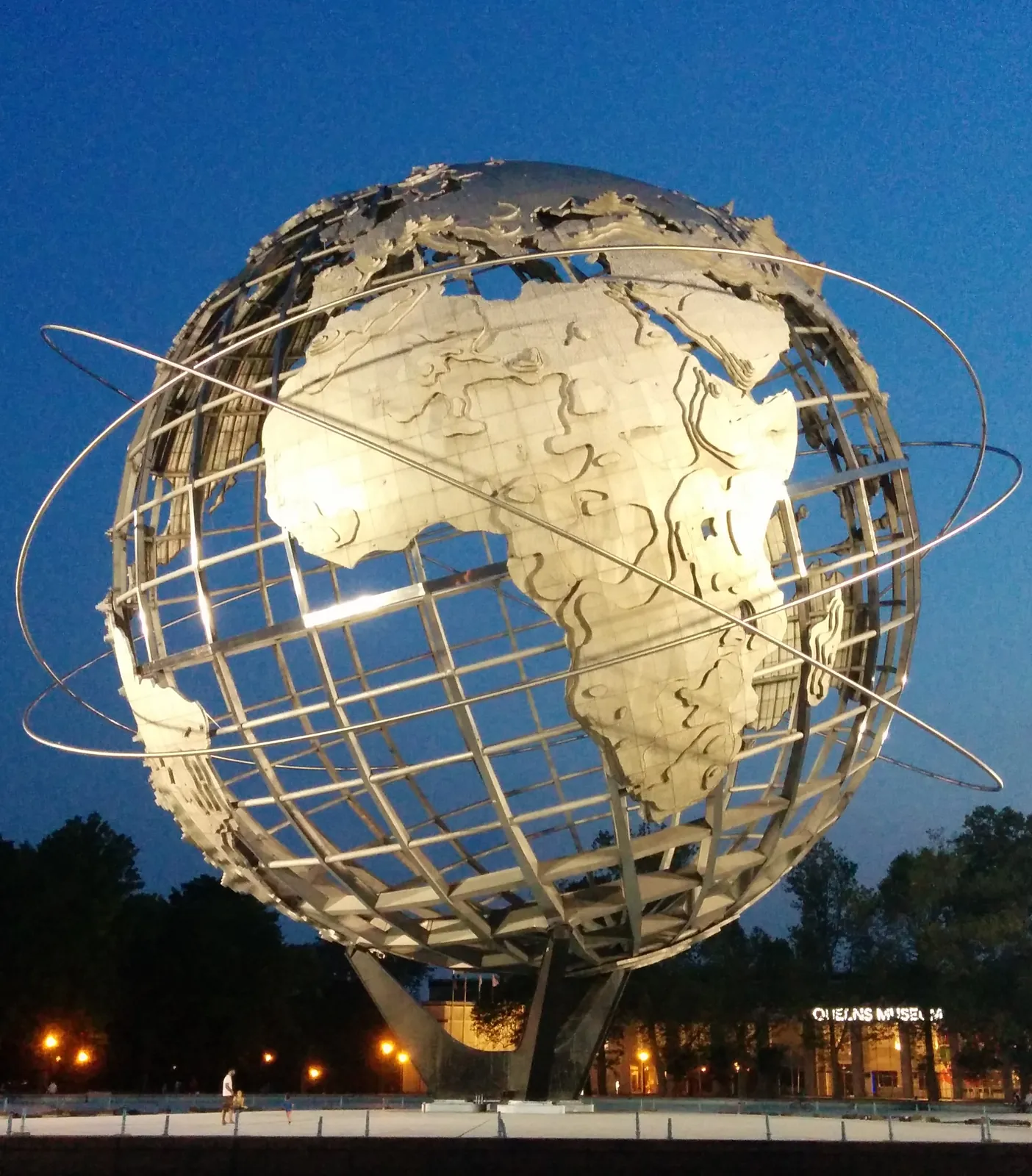
Queens is the borough of the World's Fair. The Unisphere, a 140-foot-tall steel globe in Flushing Meadows-Corona Park, was built as the centerpiece of the 1964 World's Fair and remains the borough's most recognizable landmark. Queens Borough Hall, a red brick building in Kew Gardens opened in 1940, houses the borough president's office. Queens has 14 community boards.
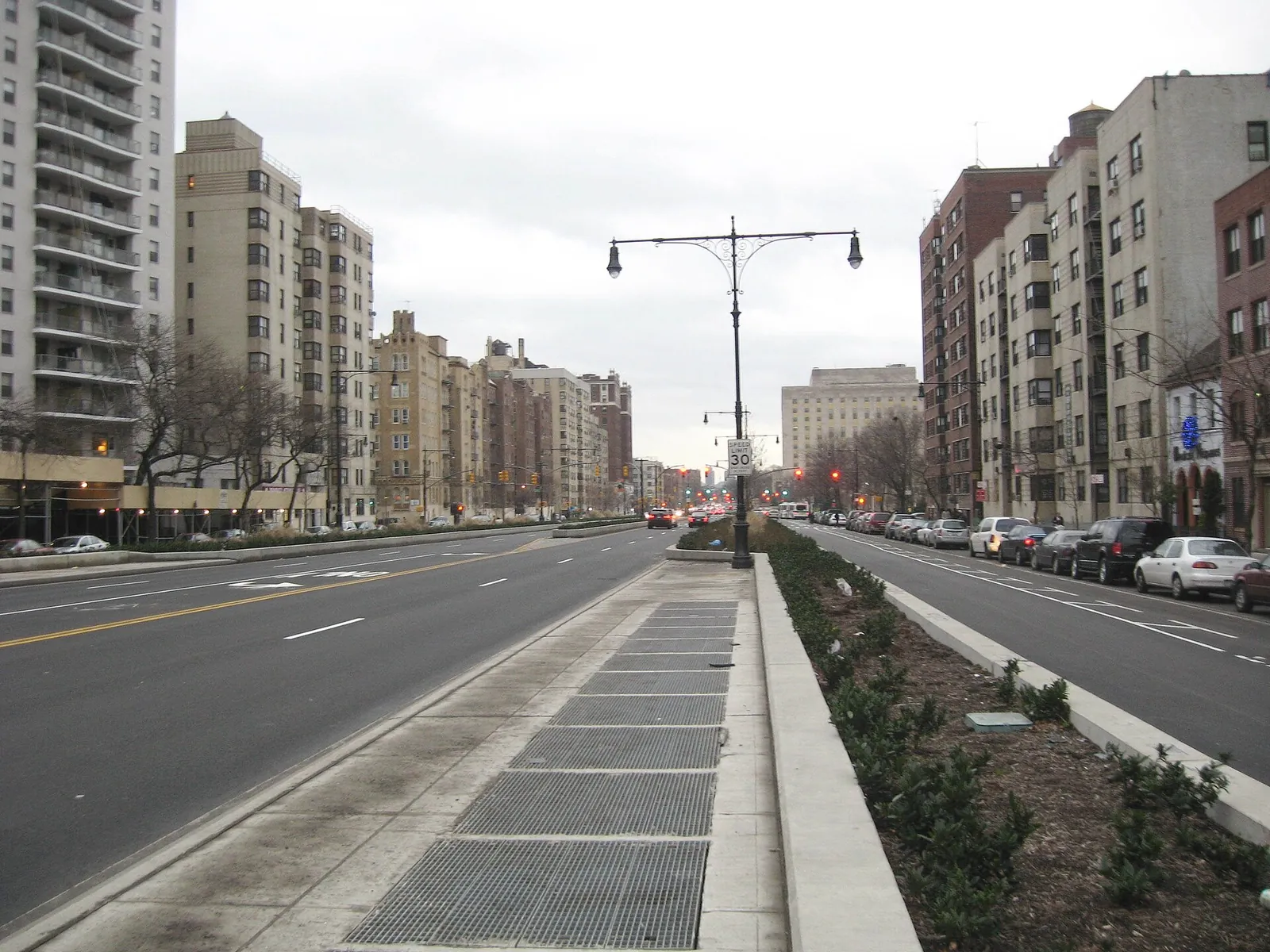
The Bronx runs on grand boulevards. The Grand Concourse, the borough's great north-south avenue, was modeled on the Champs-Elysees and is lined with Art Deco apartment buildings. The Bronx County Courthouse sits on the Concourse, and the borough has 12 community boards.
Staten Island is the city's most suburban borough and its most separate, connected to Manhattan by the Staten Island Ferry, which crosses the harbor from the Whitehall Terminal. Its borough hall stands in St. George, a short walk from the ferry landing. With three community boards, Staten Island has the fewest, and its civic life runs at a smaller, closer scale than the other four boroughs.
What the boroughs share matters as much as what divides them. The mayor and the City Council govern all five. Every borough has a borough president who advocates for it at City Hall. And every neighborhood in every borough has a community board, the city's most local layer of government. Start with your own borough, then learn the other four. The city rewards it.