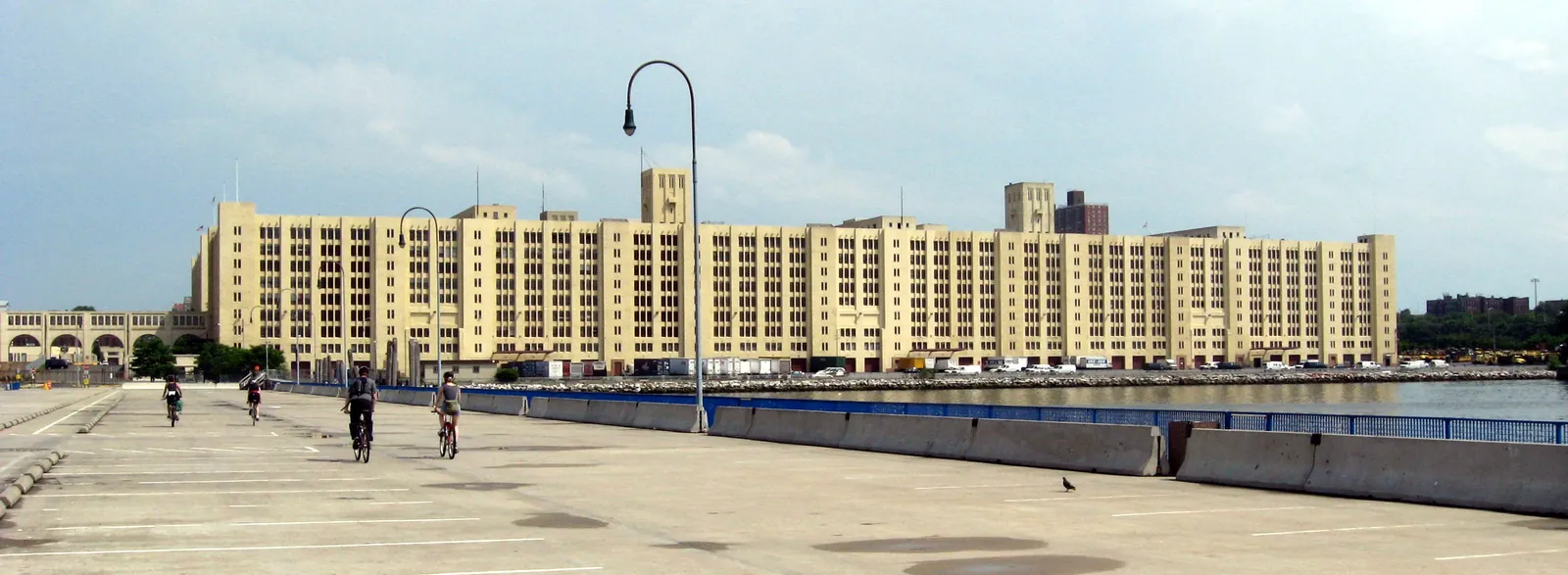
The first new subway-era transit line in nearly a century now has a face. On September 9, Governor Kathy Hochul and the MTA released the first station designs for the Interborough Express, the $5.5 billion light rail line planned to run 14 miles from the Brooklyn Army Terminal to Roosevelt Avenue in Jackson Heights, giving Brooklyn and Queens a direct rail link that bypasses Manhattan entirely.
The numbers attached to the project are large. The line would have 18 stations, connect with 17 subway lines and the Long Island Rail Road, and carry a projected 160,000 riders a day. The end-to-end trip is estimated at 32 minutes, serving historically underserved neighborhoods in both boroughs and shortening travel times for the more than 900,000 residents who live near the route.
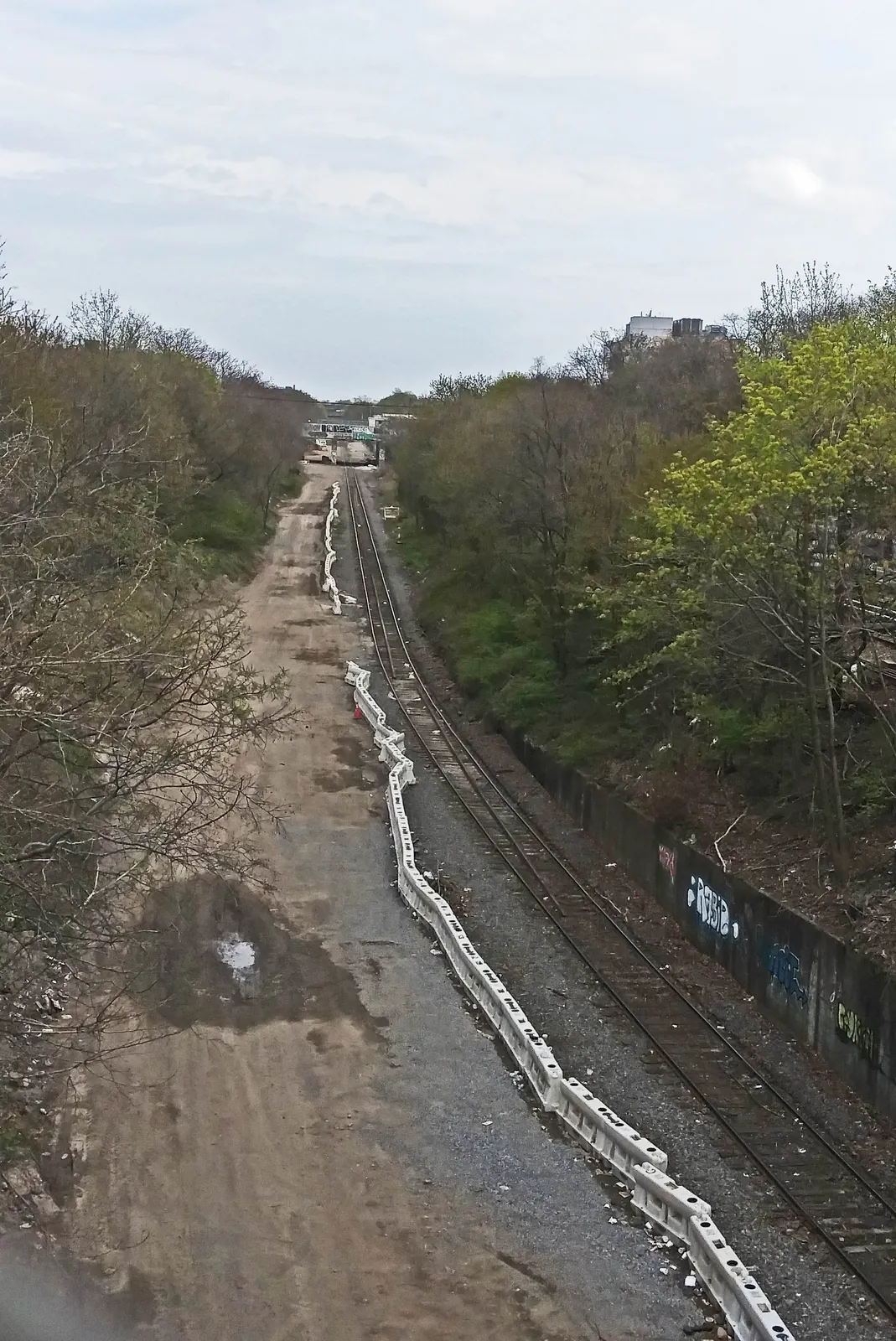
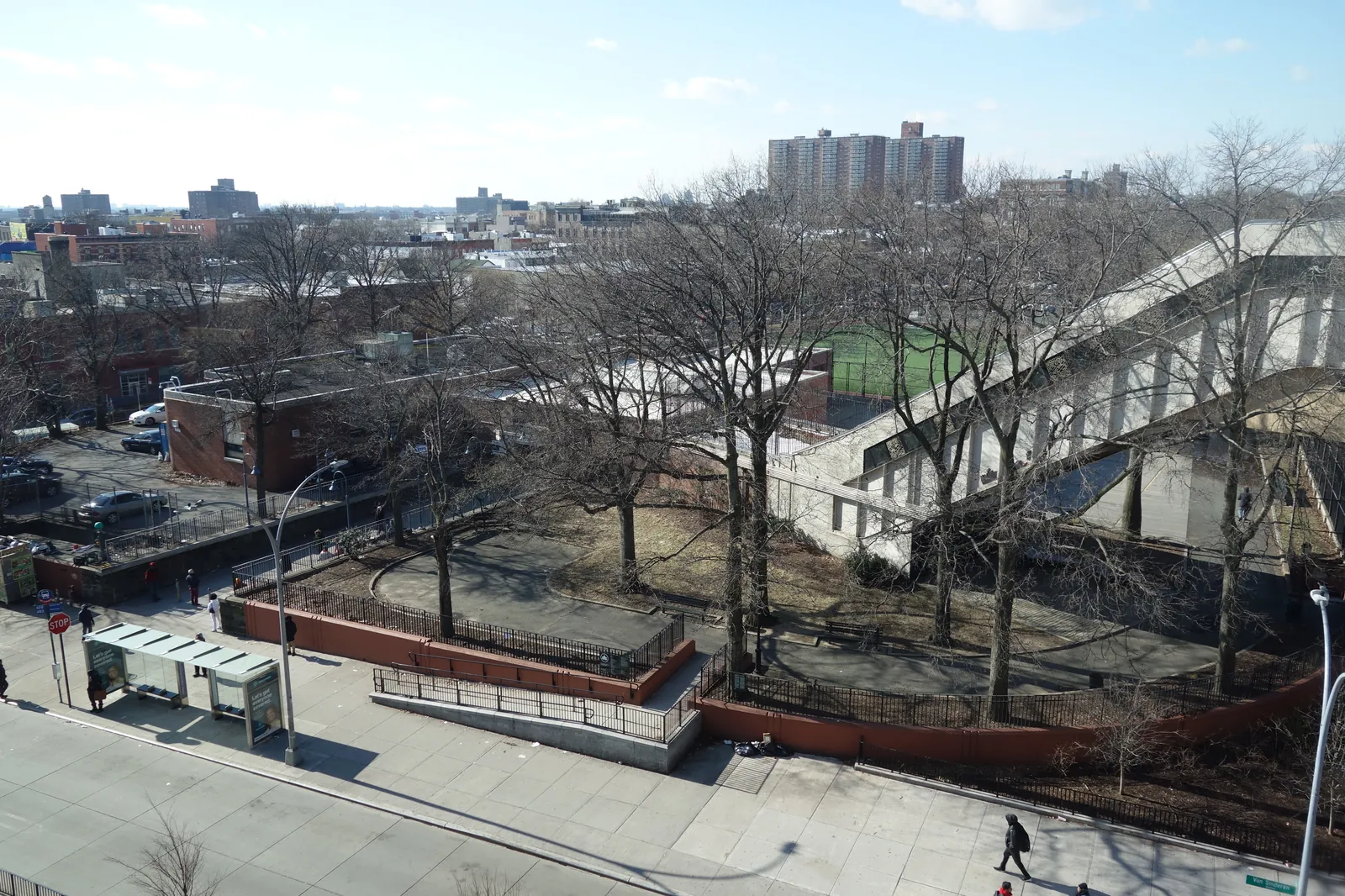
The renderings, produced by the design team of Jacobs and HDR, depict the stations planned for New Utrecht Avenue in Borough Park and for Remsen Avenue: broad platforms, elevator banks, and glass canopies sheltering the boarding areas. The MTA said all 18 planned stations will be built to full accessibility standards: clear sightlines, tactile floor tiles leading to wide fare gates, pass-through elevators with wider cabs, level boarding throughout each platform, enhanced station lighting, digital signage with audio announcements, and wayfinding signage positioned for optimal viewing.
To make the whole journey accessible, the agency is also upgrading the four existing subway stations where riders will transfer to the line and which currently lack elevators. Work is already underway at three of them through the 2020-2024 capital plan: Junius Street on the 3, with a new connection to Livonia Avenue on the L, is due by the end of 2026; Broadway Junction, where the A, C, J, Z, and L meet, follows by the end of 2027; and Avenue I on the F is expected by early 2028. The fourth, Wilson Avenue on the L, was expedited into the 2025-2029 capital plan, with an accessibility contract to be awarded by mid-2027.
The project is in the design and engineering phase that Hochul launched in August 2025, and the September announcement put the environmental review ahead of schedule: the draft environmental impact statement is due in the fourth quarter of this year. The MTA expects to complete the overall station design by the end of 2026. Service is projected for the 2030s. The design work is funded through $45 million from Hochul's fiscal year 2026 state budget and the MTA's 2025-2029 capital plan.
"For too many commuters, traveling between New York's two largest boroughs can be lengthy, inconvenient and inaccessible, that's why the IBX promises to change everything for Brooklyn and Queens, and we aren't wasting any time advancing this transformational project," Hochul said in the announcement. "By pushing forward on design and accelerating accessibility upgrades at future subway connections, my administration is bringing all 900,000 New Yorkers who live near planned IBX line one stop closer to reduced travel times and an even more reliable public transit experience."
If built, the line would be the city's first new end-to-end rapid transit line since the IND crosstown line, today's G train, opened in 1937, and its Queens stations would be the first new stations in that borough since the Archer Avenue extension of the E, J, and Z in 1988. For Brooklyn riders in Bay Ridge, Borough Park, East Flatbush, and Canarsie, the promise is simpler: a one-seat ride to Queens that does not require going through Manhattan first.