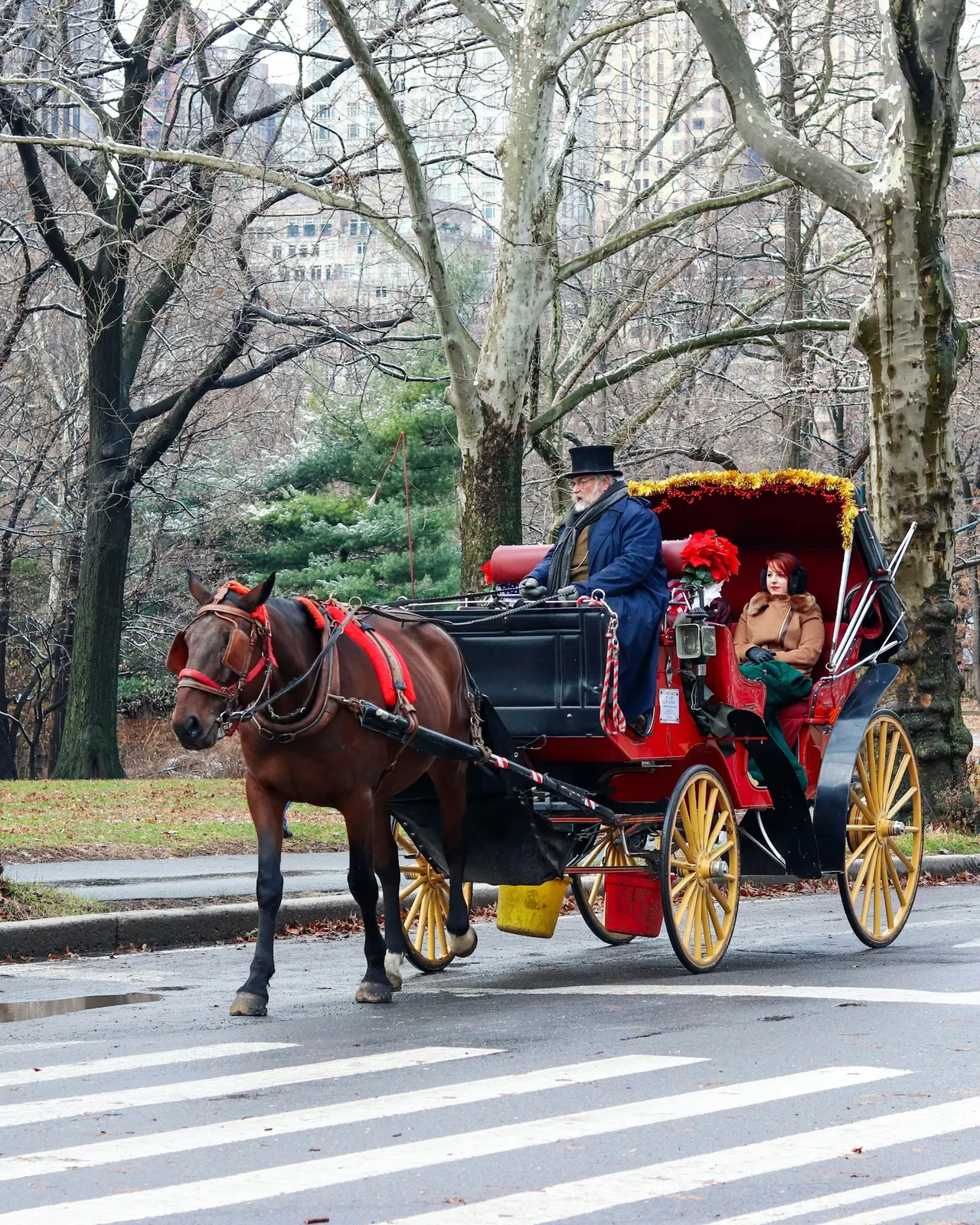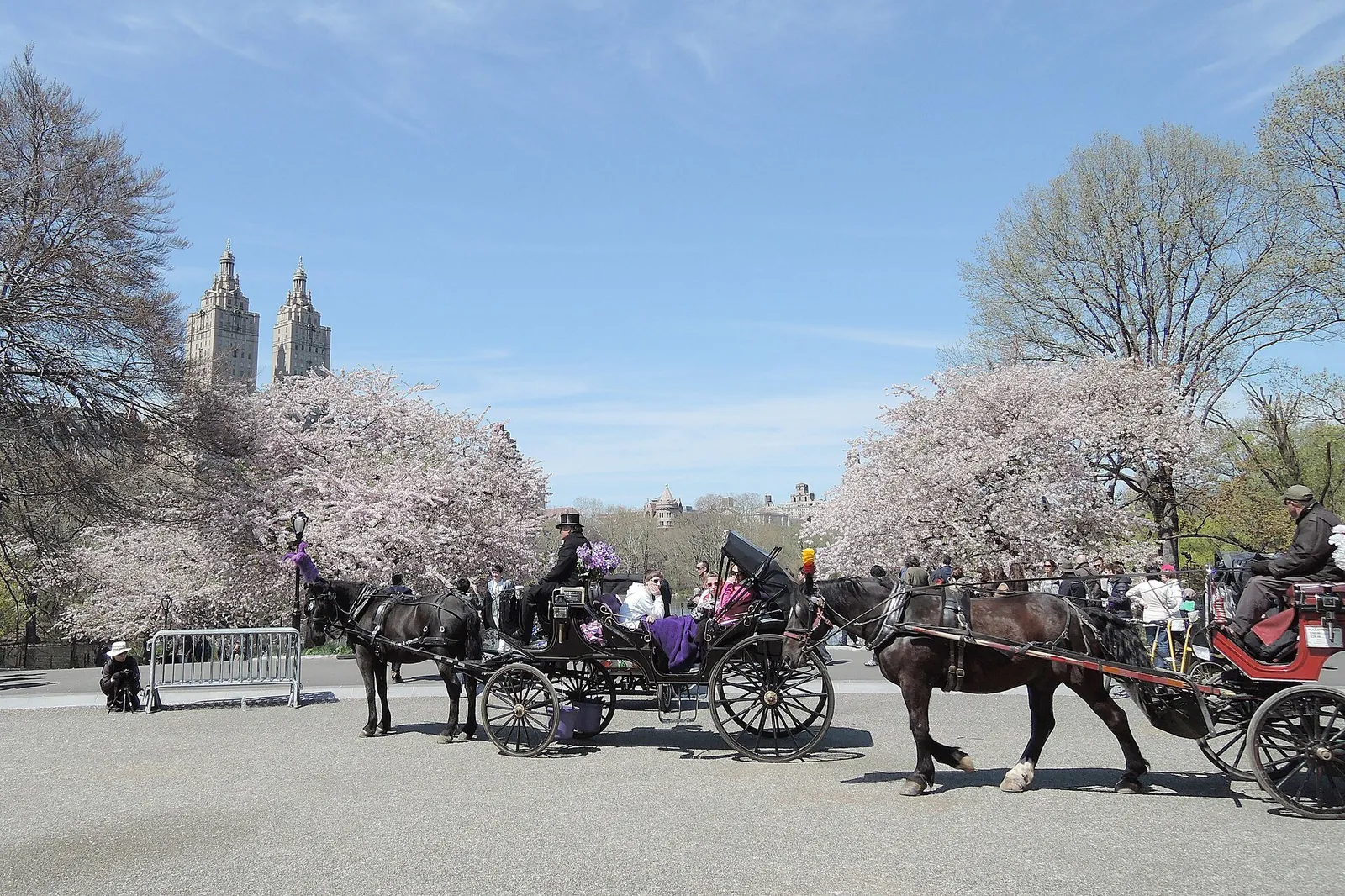
The Mamdani administration set out its first framework on Tuesday for helping horse-drawn carriage drivers and stable hands move into new work as the city prepares to end the industry, pairing financial assistance for medallion owners with a workforce program built around LaGuardia Community College.
"As New York City moves to bring the horse-drawn carriage industry to a close, we have a responsibility to the workers who have built careers in this industry. This administration will not leave them behind. Our transition plan will provide financial support and pathways to new careers through training, career guidance and education. We will support workers every step of the way," Mamdani said in the announcement.
The framework covers medallion owners, carriage drivers and stable hands. For owners, City Hall set a goal of facilitating medallion buybacks. For drivers and stable hands, it promises workforce development programming, and the administration said it will engage the Transport Workers Union and carriage workers at every step while the full plan is written.
That full transition plan is due by April 2027, to be released in partnership with the City Council and on the timeline the legislation established. The Council voted last month to end the practice by June 2028 under Romanch's Law, named for Romanch Mahajan, the 18-year-old visitor who was killed in June after he was thrown from a carriage in Central Park. The measure passed 40 to 7, a veto-proof margin.
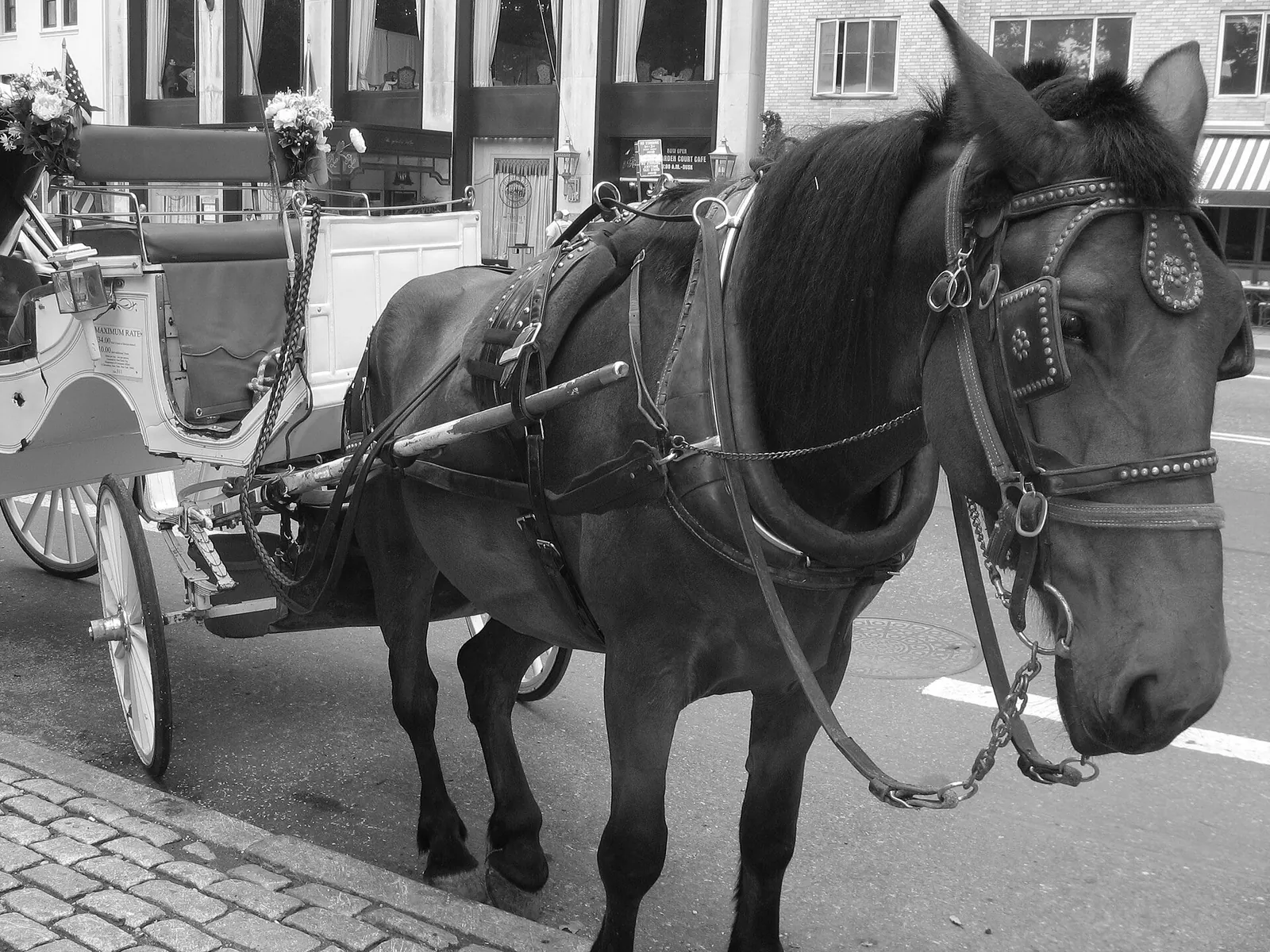
The centerpiece for workers is a new Horse Carriage Worker Industry Program, created with NYC Talent and the Department of Small Business Services to help approximately 200 affected workers. Participants will get help choosing a next career, training for it, and paying tuition, along with support for starting a business and introductions to employers. The program will draw on the Workforce 1 system and its Industrial and Transportation Career Centers.
The program will be managed by the Department of Small Business Services and operated by LaGuardia Community College. "LaGuardia will work with each carriage driver and stable hand to ensure they get the workforce training they need to transition to new careers with family sustaining wages. With more than sixty programs to choose from, including skilled trades, IT, healthcare, and even Veterinary Technology, carriage drivers will be able to design personalized education and training programs to meet their needs and interests," said Kenneth Adams, the college's president.
"This framework reflects our commitment to supporting every New Yorker affected by this transition. We will work closely with workers, medallion owners and our partners to make sure they have the resources and opportunities to move forward, including into good jobs and new careers," said Deputy Mayor Julie Su.
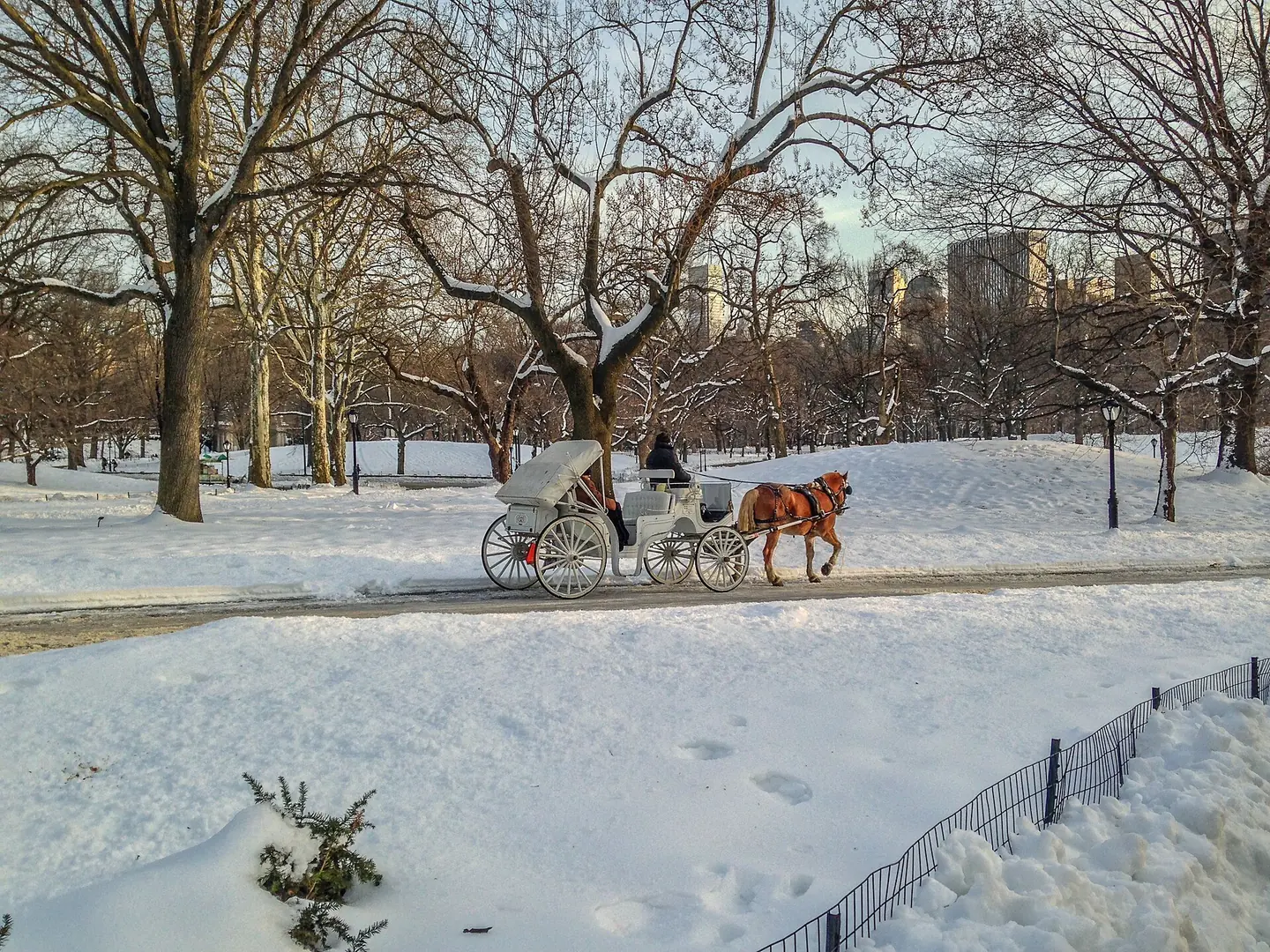
The announcement also reaches past the wind-down itself. The mayor will also have the administration study what could follow the horses: electric carriages inside Central Park, electric pedal-assist bicycles there, and electric carriages on the roads around the park's edge.
That study drew the day's sharpest pushback, and not from the industry. The Central Park Conservancy, which backed the ban, objected in a statement that swapping horse carriages for electric cars would undo the public safety gains at the heart of Romanch's Law and defy what most New Yorkers want. The Conservancy said it supports a year-round pedicab fleet instead, the subject of bills now before the Council.
The union response was broader. Transport Workers Union Local 100 President John Samuelsen said in a statement that the law abolishes an entire industry without funding, mandates or guarantees, and warned that the promised initiatives could be abandoned in a fiscal crisis. The union has said it will challenge the law in federal court once the mayor signs it. City Hall put no dollar figures or buyback terms in Tuesday's framework. The Post counted 68 licensed carriage owners holding medallions bought from the city, and the release's program figure of about 200 workers sits below the roughly 300 drivers the union says it represents.