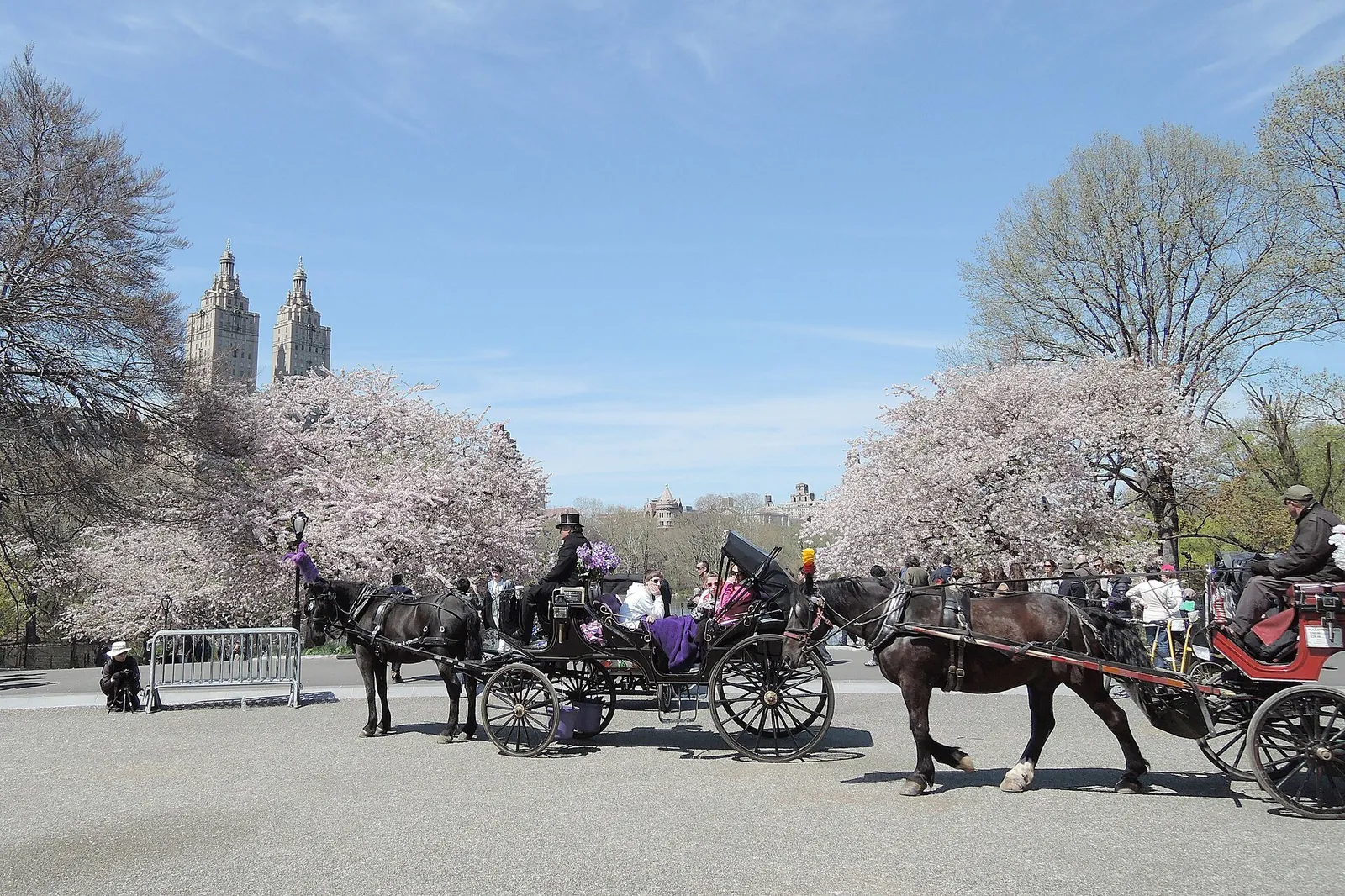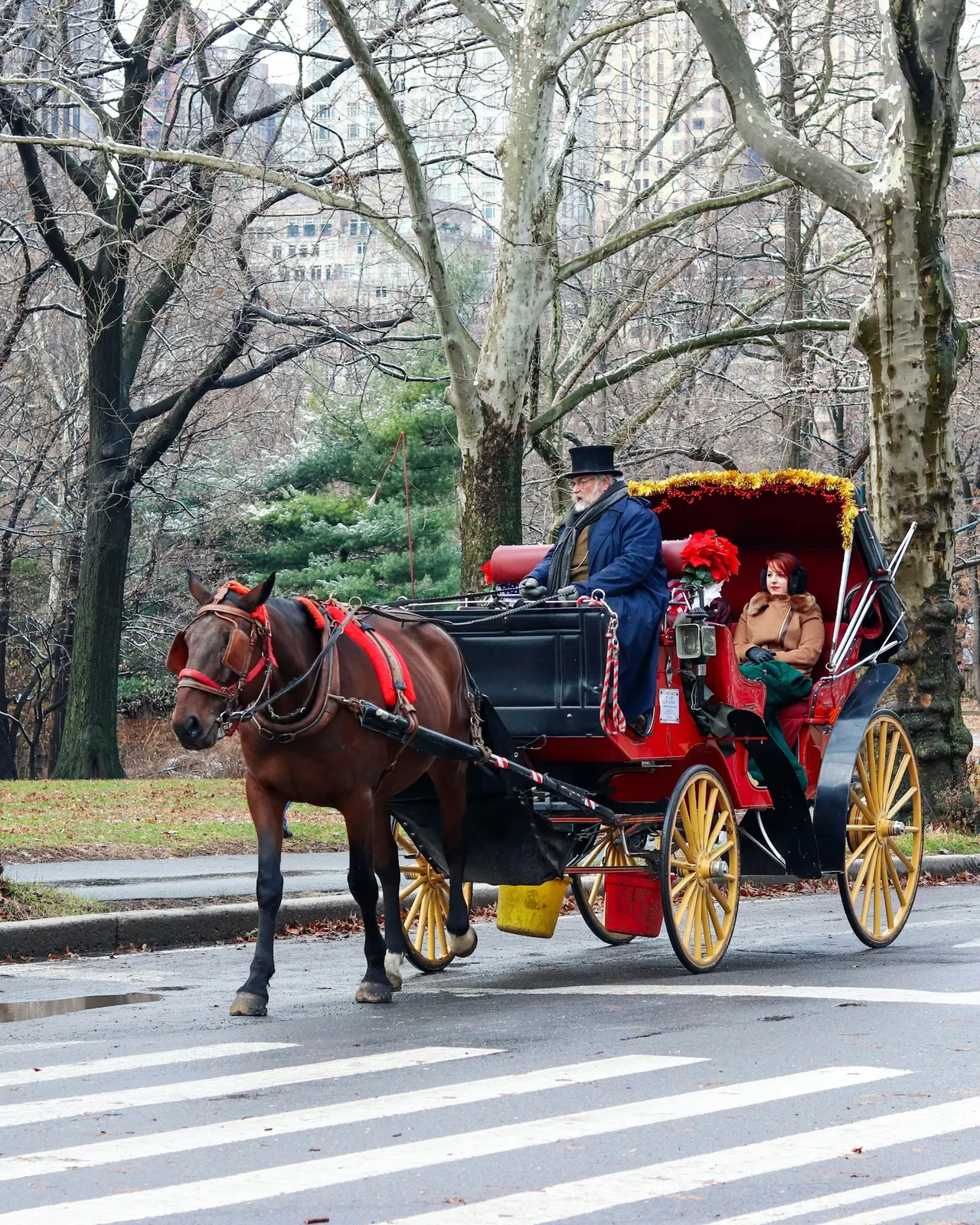
Mayor Zohran Mamdani signed Romanch's Law at City Hall on Thursday, writing the end of New York's horse-drawn carriage industry into law and setting June 1, 2028, as the last day carriages may operate on city streets. Before the day was out, the union that represents the drivers had filed a federal class action asking a judge to undo it.
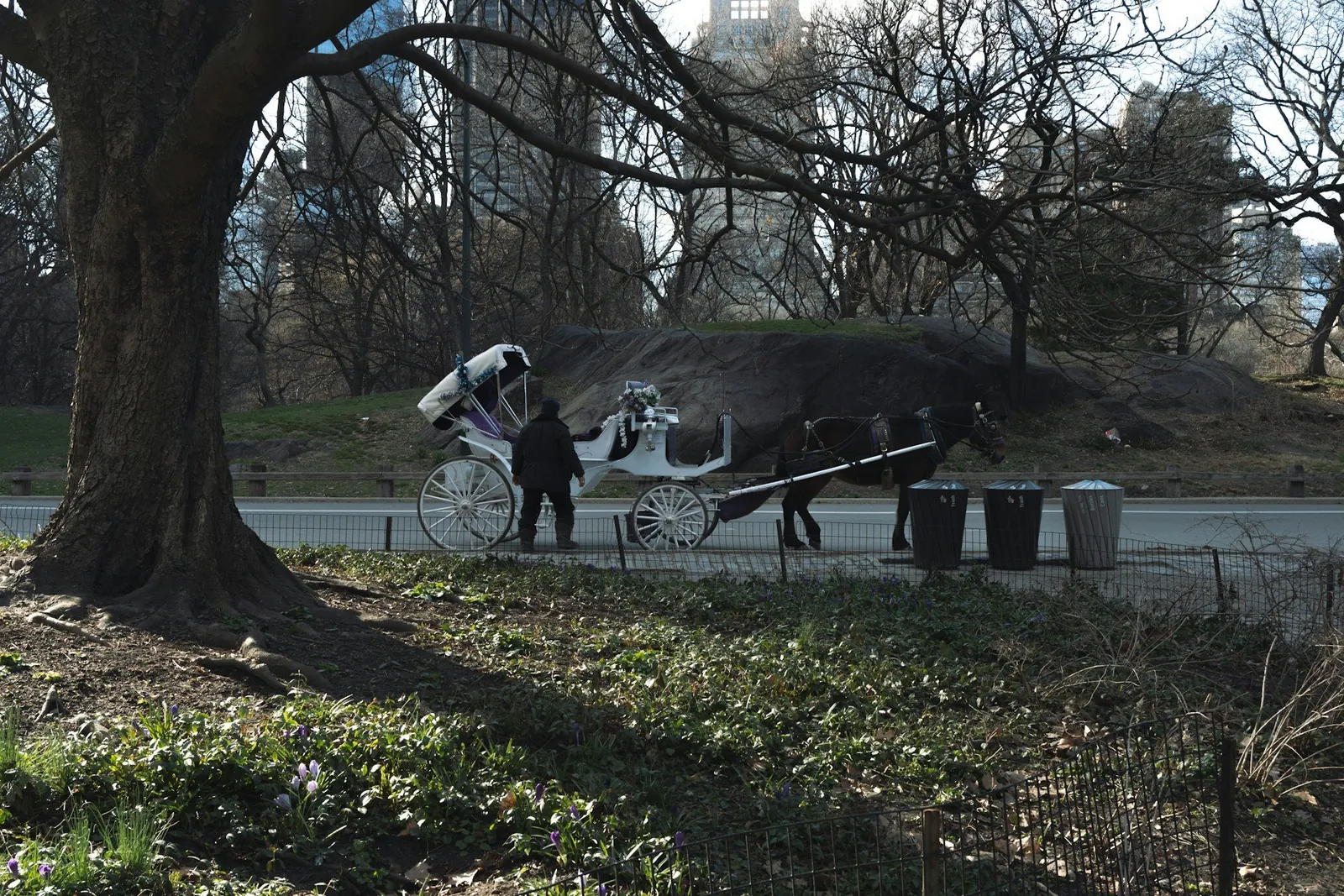
"For 150 years, horse-drawn carriages have been a fixture of Central Park. Today, we are bringing that chapter to a close," Mamdani said. "This industry will come to an end, and we have a responsibility to the workers whose livelihoods depend on it. We will work alongside them to ensure they have the financial support and career opportunities they need to build their next chapter."
The law is named for Romanch Mahajan, an 18-year-old visitor killed in a Central Park carriage accident on June 17, 2026, according to the mayor's office. It was sponsored by Council Member Christopher Marte and passed the Council on October 22 by a vote of 40 to 7. Under the law, every carriage license lapses on May 31, 2028, with no new licenses to be issued.
Speaker Julie Menin, who joined the signing, called it a historic day nearly two decades after the Council first considered ending the industry, and said the law will protect the welfare of horses while helping the workers who depend on the industry move into new employment. Marte said the law honors the Mahajan family's call to prevent another tragedy. Allie Taylor, director of the Mayor's Office of Animal Welfare, said sanctuaries and rescue organizations are ready to welcome the horses into retirement.
The administration's support package, announced earlier this week, covers the approximately 200 New Yorkers whose livelihoods depend on the trade, including medallion owners, carriage drivers and stable hands. City Hall says it will facilitate medallion buybacks for owners and will open a Horse Carriage Worker Industry Program, run with NYC Talent and the Department of Small Business Services, offering career advisement, job training, entrepreneurship support, employer connections, educational opportunities and tuition assistance. The full transition plan is to be released by April 2027, and the mayor will also commission a feasibility study of electric carriages and electric pedal-assist bicycles as possible alternatives inside Central Park.
The lawsuit was filed in the Southern District of New York, the federal court in Manhattan. According to the complaint as reported by the South Shore Press, it was filed as Chiarello v. City of New York, No. 1:26-cv-10154, with plaintiffs including Transport Workers Union Local 100 president John Chiarello, Transport Workers Union international president John Samuelsen, medallion owner Medet Fidan, Christina Hansen and driver David Koch, suing on behalf of classes of owners, lessees and drivers. It argues that provisions freezing medallion transfers took effect the moment the law was signed, and it raises claims under the Takings, Contracts and Due Process clauses of the federal constitution and under the state constitution. The plaintiffs ask the court to restore transfers while the case proceeds, and they seek expedited discovery and damages.
At the center of the complaint is what a medallion was worth the day before the signing. The complaint puts pre-ban medallion prices at $300,000 to $400,000 each, citing city-approved sales of $350,000 in 2016 and $300,000 in 2017, and it counts 68 medallions in the hands of 63 owners, worth $20.4 million to $27.2 million in licenses alone. It says the city never commissioned an independent valuation of the interests being taken and never estimated what compensation would cost. Samuelsen, in a union statement, called the law a taking without guaranteed compensation: owners who paid hundreds of thousands of dollars for their city-issued medallions get no mandated payment under the statute, and the transition help the mayor described was never written into the law itself. Union officials made their case in person as well, at a press conference outside the Manhattan federal courthouse later on Thursday.
The complaint also contests the safety case for the ban. It says the family's claim notices blamed stray voltage from city infrastructure for spooking the horse, a hazard the new law leaves unaddressed, and it argues that a shutdown date about 19 months away is itself evidence that no emergency required ending the trade outright. A federal judge will now decide whether the transfer freeze stays in place while the city writes its transition plan. The June 1, 2028, end date remains law either way unless the court rules otherwise.