The most cursed subway project in New York history is, improbably, moving. The MTA has awarded the major construction contracts for Phase 2 of the Second Avenue Subway, the 1.5-mile extension that will carry the Q train north from 96th Street to 125th Street in East Harlem, and tunnel boring machines are scheduled to launch in early 2027.
The project will add three fully accessible stations at 106th, 116th, and 125th Streets, restoring rapid transit to parts of East Harlem that have waited since the elevated lines came down. The MTA puts the project's budget near $7 billion, funded by congestion pricing revenue and $3.4 billion in federal money.
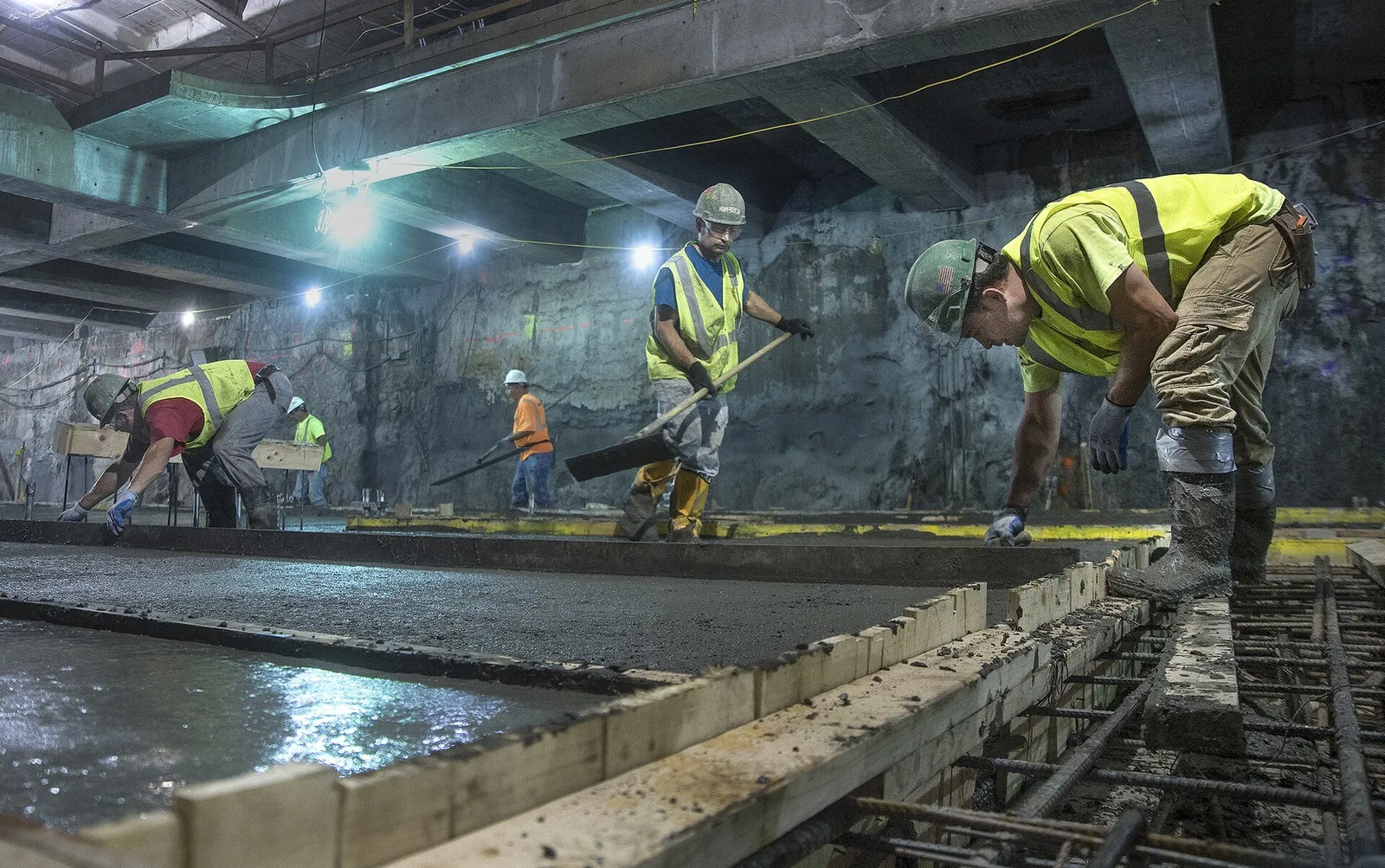
The tunneling contract, awarded in August 2025 to Connect Plus Partners, a joint venture of Halmar International and FCC Construction, is worth $1.97 billion, the largest tunneling contract in MTA history. It covers twin running tunnels, the structural shells for the 116th and 125th Street stations, and the rehabilitation of tunnel sections built in the 1970s during an earlier, abandoned attempt at the line. Reusing those 1970s structures is expected to save about $500 million.
A second major package, awarded in April 2026 to the Skanska-Walsh-Traylor joint venture for about $1.02 billion, covers the structural shell of the 106th Street station. Utility relocation under the first contract, awarded in January 2024, is about 60 percent complete. This month the MTA opened competition for the final major contract, which will finish the stations and systems: 22 elevators, 20 escalators, track, power, and communications-based train control.
The tunnel boring machines, each weighing more than 1.5 million pounds, are now under manufacture, with crews preparing the launch site near 120th Street. The agency reported this month that final design on the tunneling package is more than half complete, and excavation has begun on the 125th Street entrance shaft.
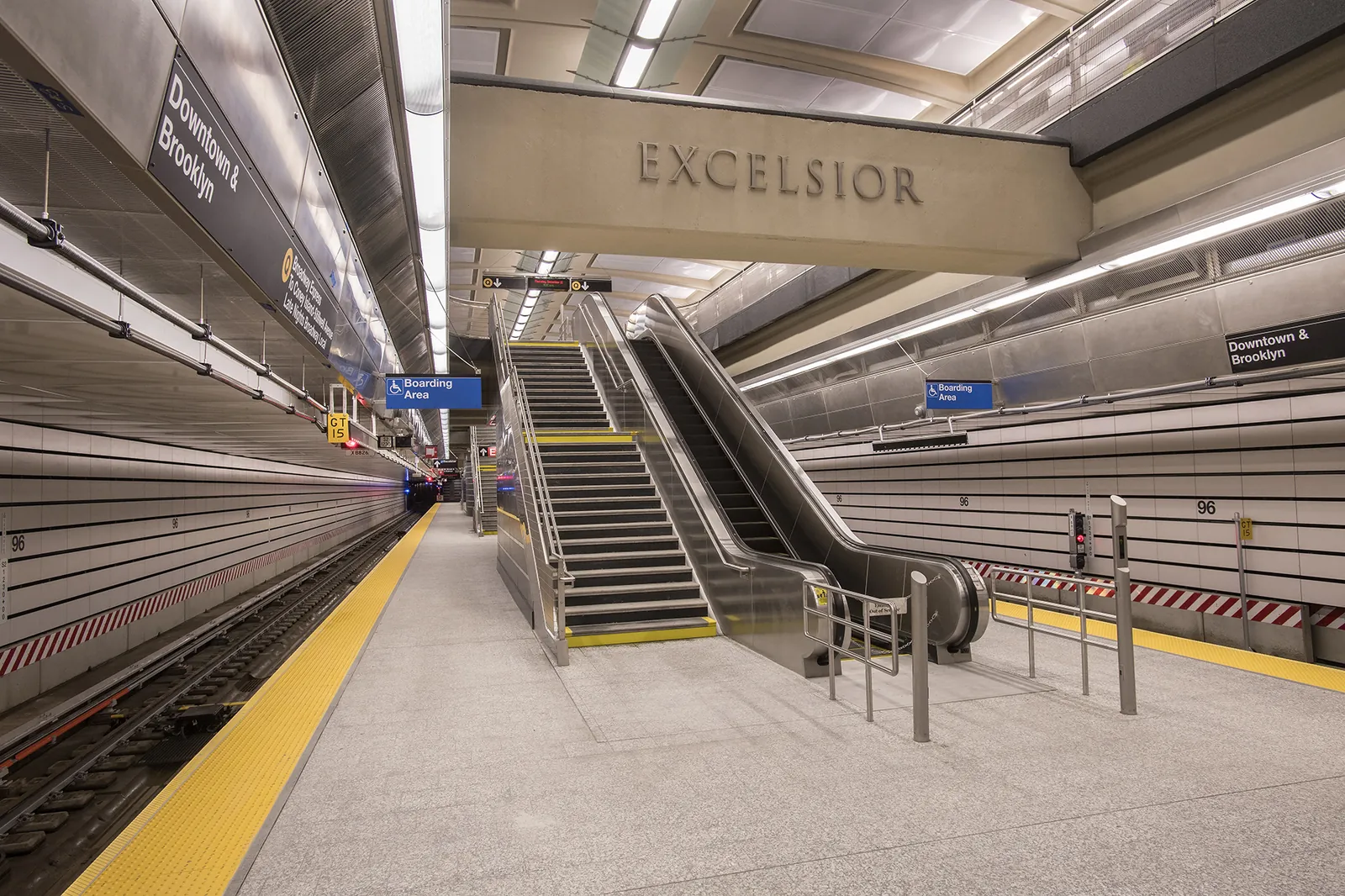
Phase 1 of the line opened on January 1, 2017, with new stations at 72nd, 86th, and 96th Streets, and ridership has consistently beaten the MTA's projections. The new stations were the first added to the subway system in decades, and their arched, high-ceilinged designs drew national attention when they opened.
Phase 1 of the line opened on January 1, 2017, with new stations at 72nd, 86th, and 96th Streets, and ridership has consistently beaten the MTA's projections. The new stations were the first added to the subway system in decades, and their arched, high-ceilinged designs drew national attention when they opened.
Phase 1 of the line opened on January 1, 2017, with new stations at 72nd, 86th, and 96th Streets, and ridership has consistently beaten the MTA's projections. The new stations were the first added to the subway system in decades, and their arched, high-ceilinged designs drew national attention when they opened.
Phase 1 of the line opened on January 1, 2017, with new stations at 72nd, 86th, and 96th Streets, and ridership has consistently beaten the MTA's projections. The new stations were the first added to the subway system in decades, and their arched, high-ceilinged designs drew national attention when they opened.
Phase 1 of the line opened on January 1, 2017, with new stations at 72nd, 86th, and 96th Streets, and ridership has consistently beaten the MTA's projections. The new stations were the first added to the subway system in decades, and their arched, high-ceilinged designs drew national attention when they opened.
Phase 1 of the line opened on January 1, 2017, with new stations at 72nd, 86th, and 96th Streets, and ridership has consistently beaten the MTA's projections. The new stations were the first added to the subway system in decades, and their arched, high-ceilinged designs drew national attention when they opened.
Phase 1 of the line opened on January 1, 2017, with new stations at 72nd, 86th, and 96th Streets, and ridership has consistently beaten the MTA's projections. The new stations were the first added to the subway system in decades, and their arched, high-ceilinged designs drew national attention when they opened.
Phase 1 of the line opened on January 1, 2017, with new stations at 72nd, 86th, and 96th Streets, and ridership has consistently beaten the MTA's projections. The new stations were the first added to the subway system in decades, and their arched, high-ceilinged designs drew national attention when they opened.
Phase 1 of the line opened on January 1, 2017, with new stations at 72nd, 86th, and 96th Streets, and ridership has consistently beaten the MTA's projections. The new stations were the first added to the subway system in decades, and their arched, high-ceilinged designs drew national attention when they opened.
Phase 1 of the line opened on January 1, 2017, with new stations at 72nd, 86th, and 96th Streets, and ridership has consistently beaten the MTA's projections. The new stations were the first added to the subway system in decades, and their arched, high-ceilinged designs drew national attention when they opened.
Phase 1 of the line opened on January 1, 2017, with new stations at 72nd, 86th, and 96th Streets, and ridership has consistently beaten the MTA's projections. The new stations were the first added to the subway system in decades, and their arched, high-ceilinged designs drew national attention when they opened.
Phase 1 of the line opened on January 1, 2017, with new stations at 72nd, 86th, and 96th Streets, and ridership has consistently beaten the MTA's projections. The new stations were the first added to the subway system in decades, and their arched, high-ceilinged designs drew national attention when they opened.
Phase 1 of the line opened on January 1, 2017, with new stations at 72nd, 86th, and 96th Streets, and ridership has consistently beaten the MTA's projections. The new stations were the first added to the subway system in decades, and their arched, high-ceilinged designs drew national attention when they opened.
Phase 1 of the line opened on January 1, 2017, with new stations at 72nd, 86th, and 96th Streets, and ridership has consistently beaten the MTA's projections. The new stations were the first added to the subway system in decades, and their arched, high-ceilinged designs drew national attention when they opened.
Phase 1 of the line opened on January 1, 2017, with new stations at 72nd, 86th, and 96th Streets, and ridership has consistently beaten the MTA's projections. The new stations were the first added to the subway system in decades, and their arched, high-ceilinged designs drew national attention when they opened.
Phase 1 of the line opened on January 1, 2017, with new stations at 72nd, 86th, and 96th Streets, and ridership has consistently beaten the MTA's projections. The new stations were the first added to the subway system in decades, and their arched, high-ceilinged designs drew national attention when they opened.
Phase 1 of the line opened on January 1, 2017, with new stations at 72nd, 86th, and 96th Streets, and ridership has consistently beaten the MTA's projections. The new stations were the first added to the subway system in decades, and their arched, high-ceilinged designs drew national attention when they opened.
Phase 1 of the line opened on January 1, 2017, with new stations at 72nd, 86th, and 96th Streets, and ridership has consistently beaten the MTA's projections. The new stations were the first added to the subway system in decades, and their arched, high-ceilinged designs drew national attention when they opened.
Phase 1 of the line opened on January 1, 2017, with new stations at 72nd, 86th, and 96th Streets, and ridership has consistently beaten the MTA's projections. The new stations were the first added to the subway system in decades, and their arched, high-ceilinged designs drew national attention when they opened.
Phase 1 of the line opened on January 1, 2017, with new stations at 72nd, 86th, and 96th Streets, and ridership has consistently beaten the MTA's projections. The new stations were the first added to the subway system in decades, and their arched, high-ceilinged designs drew national attention when they opened.
Phase 1 of the line opened on January 1, 2017, with new stations at 72nd, 86th, and 96th Streets, and ridership has consistently beaten the MTA's projections. The new stations were the first added to the subway system in decades, and their arched, high-ceilinged designs drew national attention when they opened.
Phase 1 of the line opened on January 1, 2017, with new stations at 72nd, 86th, and 96th Streets, and ridership has consistently beaten the MTA's projections. The new stations were the first added to the subway system in decades, and their arched, high-ceilinged designs drew national attention when they opened.
Phase 1 of the line opened on January 1, 2017, with new stations at 72nd, 86th, and 96th Streets, and ridership has consistently beaten the MTA's projections. The new stations were the first added to the subway system in decades, and their arched, high-ceilinged designs drew national attention when they opened.
Phase 1 of the line opened on January 1, 2017, with new stations at 72nd, 86th, and 96th Streets, and ridership has consistently beaten the MTA's projections. The new stations were the first added to the subway system in decades, and their arched, high-ceilinged designs drew national attention when they opened.
Phase 1 of the line opened on January 1, 2017, with new stations at 72nd, 86th, and 96th Streets, and ridership has consistently beaten the MTA's projections. The new stations were the first added to the subway system in decades, and their arched, high-ceilinged designs drew national attention when they opened.
Phase 1 of the line opened on January 1, 2017, with new stations at 72nd, 86th, and 96th Streets, and ridership has consistently beaten the MTA's projections. The new stations were the first added to the subway system in decades, and their arched, high-ceilinged designs drew national attention when they opened.
Phase 1 of the line opened on January 1, 2017, with new stations at 72nd, 86th, and 96th Streets, and ridership has consistently beaten the MTA's projections. The new stations were the first added to the subway system in decades, and their arched, high-ceilinged designs drew national attention when they opened.
Phase 1 of the line opened on January 1, 2017, with new stations at 72nd, 86th, and 96th Streets, and ridership has consistently beaten the MTA's projections. The new stations were the first added to the subway system in decades, and their arched, high-ceilinged designs drew national attention when they opened.
Phase 1 of the line opened on January 1, 2017, with new stations at 72nd, 86th, and 96th Streets, and ridership has consistently beaten the MTA's projections. The new stations were the first added to the subway system in decades, and their arched, high-ceilinged designs drew national attention when they opened.
Phase 1 of the line opened on January 1, 2017, with new stations at 72nd, 86th, and 96th Streets, and ridership has consistently beaten the MTA's projections. The new stations were the first added to the subway system in decades, and their arched, high-ceilinged designs drew national attention when they opened.
Phase 1 of the line opened on January 1, 2017, with new stations at 72nd, 86th, and 96th Streets, and ridership has consistently beaten the MTA's projections. The new stations were the first added to the subway system in decades, and their arched, high-ceilinged designs drew national attention when they opened.
Phase 1 of the line opened on January 1, 2017, with new stations at 72nd, 86th, and 96th Streets, and ridership has consistently beaten the MTA's projections. The new stations were the first added to the subway system in decades, and their arched, high-ceilinged designs drew national attention when they opened.
Phase 1 of the line opened on January 1, 2017, with new stations at 72nd, 86th, and 96th Streets, and ridership has consistently beaten the MTA's projections. The new stations were the first added to the subway system in decades, and their arched, high-ceilinged designs drew national attention when they opened.
Phase 1 of the line opened on January 1, 2017, with new stations at 72nd, 86th, and 96th Streets, and ridership has consistently beaten the MTA's projections. The new stations were the first added to the subway system in decades, and their arched, high-ceilinged designs drew national attention when they opened.
Phase 1 of the line opened on January 1, 2017, with new stations at 72nd, 86th, and 96th Streets, and ridership has consistently beaten the MTA's projections. The new stations were the first added to the subway system in decades, and their arched, high-ceilinged designs drew national attention when they opened.
Phase 1 of the line opened on January 1, 2017, with new stations at 72nd, 86th, and 96th Streets, and ridership has consistently beaten the MTA's projections. The new stations were the first added to the subway system in decades, and their arched, high-ceilinged designs drew national attention when they opened.
Phase 1 of the line opened on January 1, 2017, with new stations at 72nd, 86th, and 96th Streets, and ridership has consistently beaten the MTA's projections. The new stations were the first added to the subway system in decades, and their arched, high-ceilinged designs drew national attention when they opened.
Phase 1 of the line opened on January 1, 2017, with new stations at 72nd, 86th, and 96th Streets, and ridership has consistently beaten the MTA's projections. The new stations were the first added to the subway system in decades, and their arched, high-ceilinged designs drew national attention when they opened.
Phase 1 of the line opened on January 1, 2017, with new stations at 72nd, 86th, and 96th Streets, and ridership has consistently beaten the MTA's projections. The new stations were the first added to the subway system in decades, and their arched, high-ceilinged designs drew national attention when they opened.
Phase 1 of the line opened on January 1, 2017, with new stations at 72nd, 86th, and 96th Streets, and ridership has consistently beaten the MTA's projections. The new stations were the first added to the subway system in decades, and their arched, high-ceilinged designs drew national attention when they opened.
Phase 1 of the line opened on January 1, 2017, with new stations at 72nd, 86th, and 96th Streets, and ridership has consistently beaten the MTA's projections. The new stations were the first added to the subway system in decades, and their arched, high-ceilinged designs drew national attention when they opened.
Phase 1 of the line opened on January 1, 2017, with new stations at 72nd, 86th, and 96th Streets, and ridership has consistently beaten the MTA's projections. The new stations were the first added to the subway system in decades, and their arched, high-ceilinged designs drew national attention when they opened.
Phase 1 of the line opened on January 1, 2017, with new stations at 72nd, 86th, and 96th Streets, and ridership has consistently beaten the MTA's projections. The new stations were the first added to the subway system in decades, and their arched, high-ceilinged designs drew national attention when they opened.
Phase 1 of the line opened on January 1, 2017, with new stations at 72nd, 86th, and 96th Streets, and ridership has consistently beaten the MTA's projections. The new stations were the first added to the subway system in decades, and their arched, high-ceilinged designs drew national attention when they opened.
Phase 1 of the line opened on January 1, 2017, with new stations at 72nd, 86th, and 96th Streets, and ridership has consistently beaten the MTA's projections. The new stations were the first added to the subway system in decades, and their arched, high-ceilinged designs drew national attention when they opened.
Phase 1 of the line opened on January 1, 2017, with new stations at 72nd, 86th, and 96th Streets, and ridership has consistently beaten the MTA's projections. The new stations were the first added to the subway system in decades, and their arched, high-ceilinged designs drew national attention when they opened.
Phase 1 of the line opened on January 1, 2017, with new stations at 72nd, 86th, and 96th Streets, and ridership has consistently beaten the MTA's projections. The new stations were the first added to the subway system in decades, and their arched, high-ceilinged designs drew national attention when they opened.
Phase 1 of the line opened on January 1, 2017, with new stations at 72nd, 86th, and 96th Streets, and ridership has consistently beaten the MTA's projections. The new stations were the first added to the subway system in decades, and their arched, high-ceilinged designs drew national attention when they opened.
Phase 1 of the line opened on January 1, 2017, with new stations at 72nd, 86th, and 96th Streets, and ridership has consistently beaten the MTA's projections. The new stations were the first added to the subway system in decades, and their arched, high-ceilinged designs drew national attention when they opened.
Phase 1 of the line opened on January 1, 2017, with new stations at 72nd, 86th, and 96th Streets, and ridership has consistently beaten the MTA's projections. The new stations were the first added to the subway system in decades, and their arched, high-ceilinged designs drew national attention when they opened.
Phase 1 of the line opened on January 1, 2017, with new stations at 72nd, 86th, and 96th Streets, and ridership has consistently beaten the MTA's projections. The new stations were the first added to the subway system in decades, and their arched, high-ceilinged designs drew national attention when they opened.
Phase 1 of the line opened on January 1, 2017, with new stations at 72nd, 86th, and 96th Streets, and ridership has consistently beaten the MTA's projections. The new stations were the first added to the subway system in decades, and their arched, high-ceilinged designs drew national attention when they opened.
Phase 1 of the line opened on January 1, 2017, with new stations at 72nd, 86th, and 96th Streets, and ridership has consistently beaten the MTA's projections. The new stations were the first added to the subway system in decades, and their arched, high-ceilinged designs drew national attention when they opened.
Phase 1 of the line opened on January 1, 2017, with new stations at 72nd, 86th, and 96th Streets, and ridership has consistently beaten the MTA's projections. The new stations were the first added to the subway system in decades, and their arched, high-ceilinged designs drew national attention when they opened.
Phase 1 of the line opened on January 1, 2017, with new stations at 72nd, 86th, and 96th Streets, and ridership has consistently beaten the MTA's projections. The new stations were the first added to the subway system in decades, and their arched, high-ceilinged designs drew national attention when they opened.
Phase 1 of the line opened on January 1, 2017, with new stations at 72nd, 86th, and 96th Streets, and ridership has consistently beaten the MTA's projections. The new stations were the first added to the subway system in decades, and their arched, high-ceilinged designs drew national attention when they opened.
Phase 1 of the line opened on January 1, 2017, with new stations at 72nd, 86th, and 96th Streets, and ridership has consistently beaten the MTA's projections. The new stations were the first added to the subway system in decades, and their arched, high-ceilinged designs drew national attention when they opened.
Phase 1 of the line opened on January 1, 2017, with new stations at 72nd, 86th, and 96th Streets, and ridership has consistently beaten the MTA's projections. The new stations were the first added to the subway system in decades, and their arched, high-ceilinged designs drew national attention when they opened.
Phase 1 of the line opened on January 1, 2017, with new stations at 72nd, 86th, and 96th Streets, and ridership has consistently beaten the MTA's projections. The new stations were the first added to the subway system in decades, and their arched, high-ceilinged designs drew national attention when they opened.
Phase 1 of the line opened on January 1, 2017, with new stations at 72nd, 86th, and 96th Streets, and ridership has consistently beaten the MTA's projections. The new stations were the first added to the subway system in decades, and their arched, high-ceilinged designs drew national attention when they opened.
Phase 1 of the line opened on January 1, 2017, with new stations at 72nd, 86th, and 96th Streets, and ridership has consistently beaten the MTA's projections. The new stations were the first added to the subway system in decades, and their arched, high-ceilinged designs drew national attention when they opened.
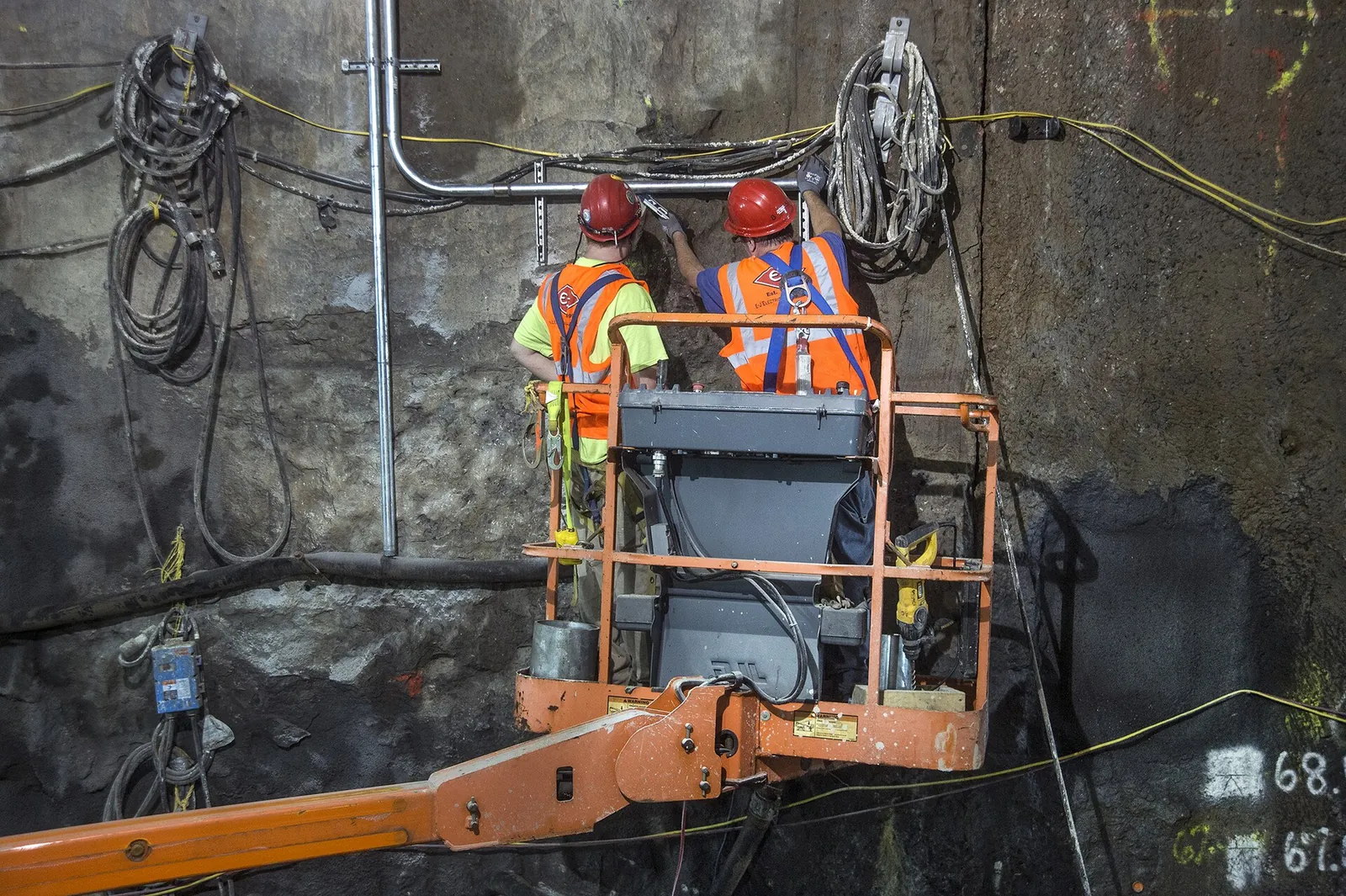
The target for revenue service is September 2032. If the agency hits it, East Harlem gets its first new subway stations in generations and the chronically overcrowded Lexington Avenue 4, 5, and 6 get long-promised relief. New York has heard promises about the Second Avenue Subway for a century. This time there are machines in the ground.