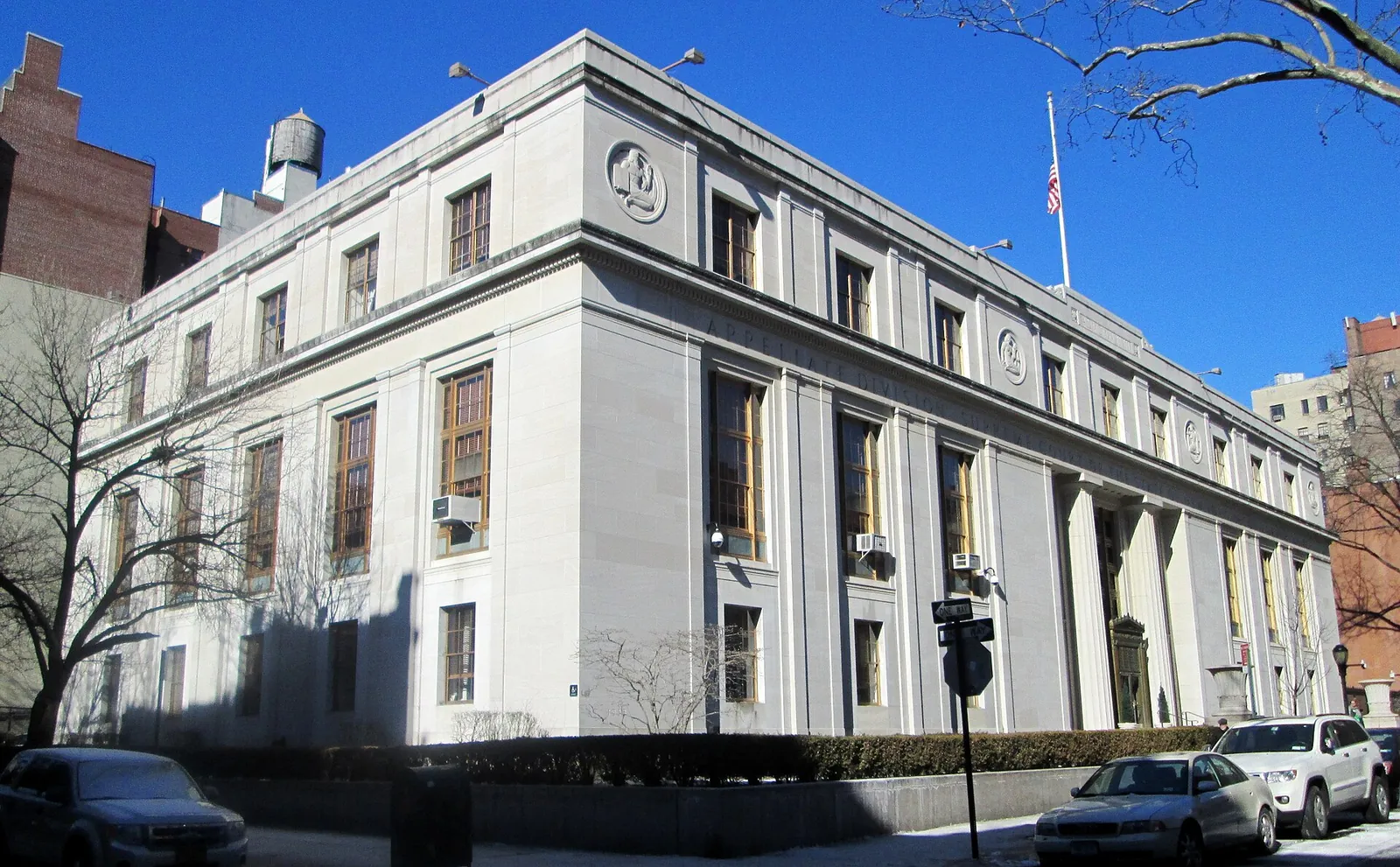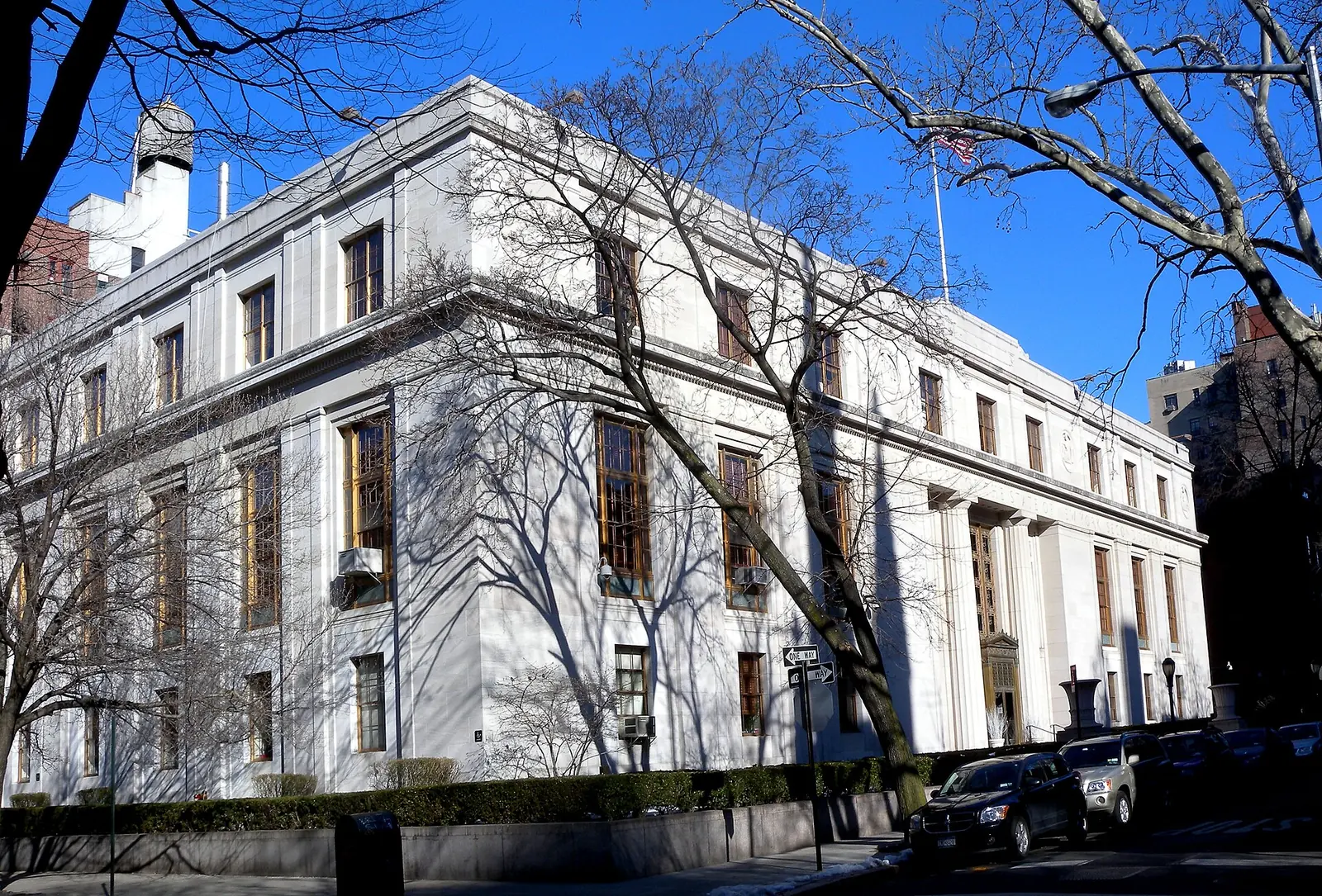
The city's rollout of its new tax on high value second homes is back on track. A four judge panel of the Appellate Division, Second Department, ruled unanimously on Wednesday that the homeowners who sued over the rollout of the pied-a-terre surcharge had no standing to bring the case, because they had not shown a concrete injury from the way the Department of Finance introduced the tax. The decision reverses a September 29 judgment by Staten Island Supreme Court Justice Wayne Ozzi, denies the homeowners' petition and dismisses the case, a week after the panel heard arguments on October 28. The decision and order carries the names of Mark C. Dillon, the presiding justice, and Justices Francesca E. Connolly, Deborah A. Dowling and Phillip Hom.
Seven homeowners sued the city in August, represented by former First Deputy Mayor Randy Mastro. They challenged two pieces of the rollout: the department's publication of a supplemental roll covering about 900,000 properties, and the roughly 17,000 notices it sent to owners who might owe the surcharge. Their argument was that the city had put the burden on owners to prove a home was their primary residence instead of first checking the residency information in its own records. Justice Ozzi accepted that argument in September and ordered the city to scrap the rollout, remove the supplemental roll and withdraw the notices.
The appeals court never reached that argument. It held instead that being listed on the roll or receiving a notice is not, by itself, an injury. The notice, the decision says, "serves an informational purpose," much like a debt collection letter, and lawmakers must have expected the list of recipients would not be exact or flawless, or they would not have built an exemption process into the law. The confusion the homeowners described was, in the court's words, too "generalized, tenuous, and ephemeral" to count as an injury, and the panel noted that the city's annual assessment rolls already publish each owner's name, assessed value and market value, and that the homeowners offered no evidence that their information had been misused or that they faced stalking or fraud. The cost of applying for an exemption was not an injury either, the court said, because taxpayers routinely spend time and money complying with tax rules and these owners had not documented what they spent.
The panel did side with the homeowners on two threshold points. It rejected the city's argument that exempting the seven petitioners had made the case moot. It also rejected the claim that the tax law confines challenges to Tax Commission appeals. And it left undecided a third question, whether the finance department violated its own rule by passing over 2024 income tax data when it picked the notice recipients. By then, the department's own corrections were already shrinking the case: exemptions have cut the universe of properties potentially subject to the surcharge to fewer than 9,000 homes, with more appeals expected before the Tax Commission, and after the department received early 2025 income tax data from the state on August 12 it cleared 1,210 owners and prepared new letters for about 10,800 others.

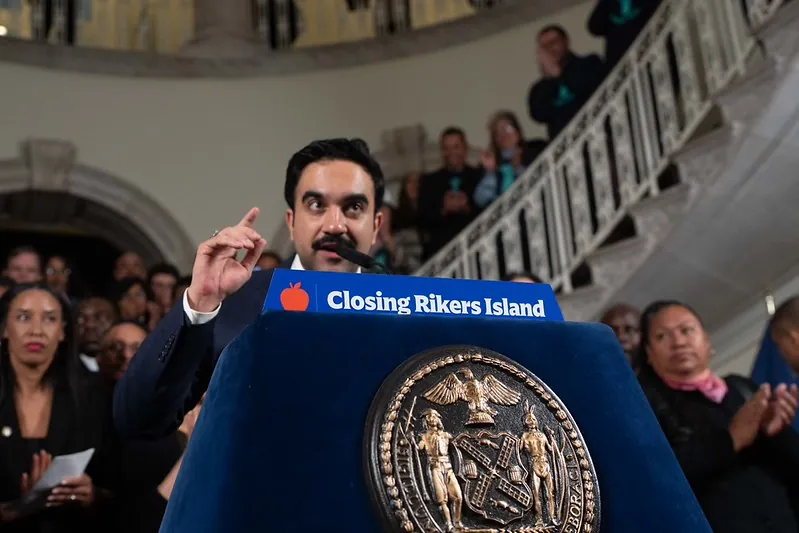
Mayor Zohran Mamdani claimed the ruling as a win for the tax itself. The court had "rejected an attempt by the ultrawealthy" to avoid the surcharge, he said in a statement, and had "ruled in favor of the City" in the rollout lawsuit. Mastro, whose clients include petitioner Kenneth Fishel of Renaissance Properties and who said all of his clients ultimately received exemptions, answered that the court had taken "the procedural offramp of standing" rather than reach the merits of the case. He put the fight's next test in December, when he says the constitutional challenges will be decided, calling it the surcharge's "ultimate day of reckoning."
The surcharge at the center of the case was enacted earlier this year and takes effect on January 1, 2027. It applies to second homes in the city valued at $5 million or more, and to condominium and cooperative units valued at $1 million or more, and city officials estimate it could raise about $500 million a year. Wednesday's ruling settles only how the tax was introduced. Separate lawsuits attack the tax itself on constitutional grounds, arguing among other things that it discriminates against nonresidents: one filed in Suffolk County, and another brought under the state Real Property Tax Law whose plaintiffs include casino developer Steve Wynn, former Commerce Secretary Wilbur Ross and petitioner Kenneth Fishel. Those cases, not the rollout fight decided this week, will determine whether the surcharge survives.