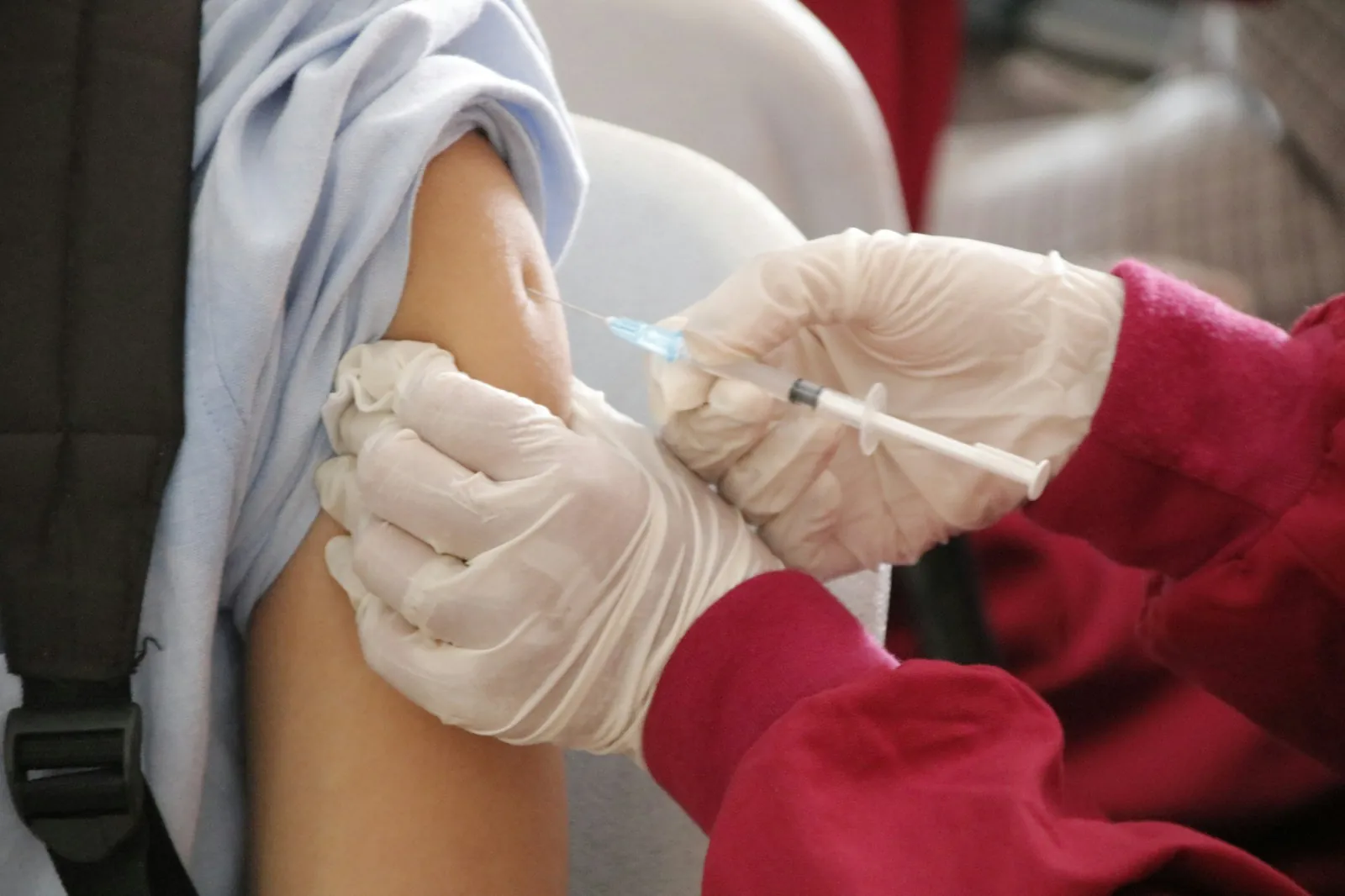
Influenza cases in New York City have risen for 10 consecutive weeks, the Health Department said on Thursday, reporting 6,467 lab-reported cases in the most recent week as it urged New Yorkers to take precautions ahead of the holiday season. Cases have been increasing since mid-September, the department said, and the rise has been faster since late October. Emergency department visits for flu-like illness now account for more than 2 percent of all emergency department visits citywide.

"The holidays are a time to come together, share meals, and celebrate with the people we love, but with flu cases on the rise, it's important that we all take steps to protect one another," said Health Commissioner Dr. Alister F. Martin. "Getting your flu shot, staying home when sick, and practicing safe food preparation can make a meaningful difference in keeping our families healthy. As we gather, let's look out for our older relatives, young children, and others who may be more vulnerable to serious illness."
The department urged everyone 6 months and older to get an annual flu vaccine, said most New Yorkers should also receive an updated COVID-19 vaccine, and said eligible New Yorkers should receive RSV immunization. Vaccination protects against severe illness, hospitalization and death, the department said, and older adults, young children, pregnant people and people with weakened immune systems or certain underlying health conditions face the highest risk of serious complications. It can take about two weeks for immunity to build up. The release tells anyone with symptoms such as fever, cough or a sore throat to stay home and steer clear of close contact, particularly with people at higher risk. The rest of the hygiene guidance is familiar: wash hands frequently, cover coughs and sneezes, clean frequently touched surfaces, improve indoor ventilation and consider wearing a well-fitting mask.
Much of the release is aimed at the holiday table. A turkey should never be thawed on the counter or in hot water. Thaw it in the refrigerator, allowing about 24 hours for every 4 to 5 pounds, or in cold water in leakproof packaging, with the water changed every 30 minutes; a bird thawed in cold water or in the microwave needs cooking right away. Hands get a 20-second wash with soap and water ahead of, during and after food preparation, and again after touching raw meat, poultry, seafood or eggs; boards, countertops and utensils get cleaned with hot soapy water. Raw meat, poultry, seafood and eggs should be kept separate from ready-to-eat foods, cooked food should never go back on an unwashed plate that held raw meat, and raw turkey should not be washed, because splashing water can spread bacteria around the kitchen.
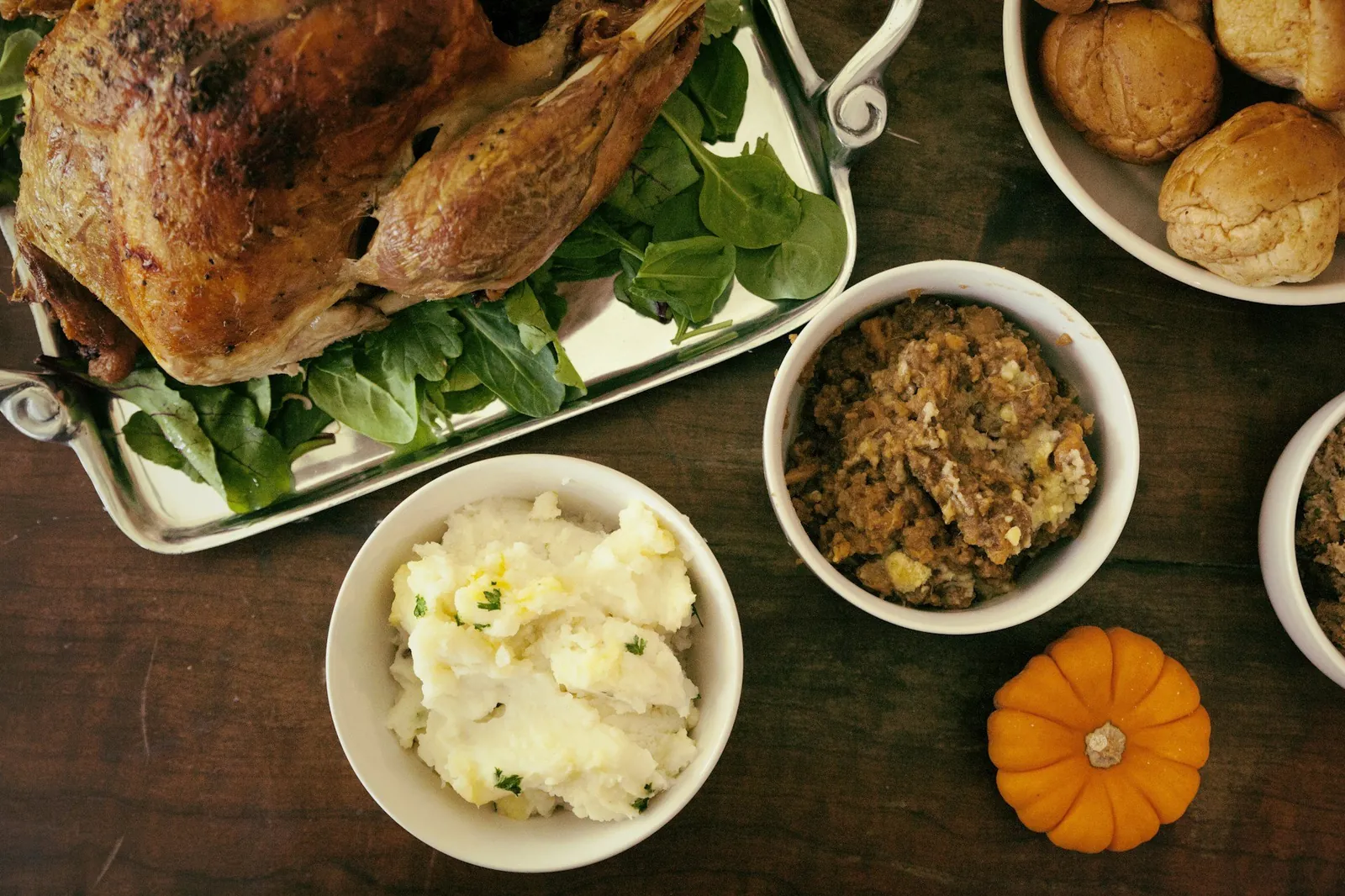
The safe temperatures are specific. Poultry and stuffing should reach 165 degrees Fahrenheit, ground meats 160 degrees, and whole cuts of meat 145 degrees with a three-minute rest before serving. Perishable food should not sit at room temperature for more than two hours, and on the table, hot food should be kept at 140 degrees or warmer and cold food at 40 degrees or colder.
The department's holiday guidance also covers alcohol and mental health. It advises drinkers to decide ahead of time how much they plan to consume and how they will get home, to eat first and snack through the evening, to pace themselves with nonalcoholic drinks, and to check whether their medications increase alcohol's effects, and it recommends a designated driver, public transportation or a taxi. For New Yorkers who find the holidays difficult, it notes that support is available at any hour by calling or texting 988.
The timing is the point. The department issued its guidance on November 19, one week before Thanksgiving, with flu transmission already climbing faster than it was in October. Its message to households planning gatherings is that the precautions are simple, and that the week to start them is this one.