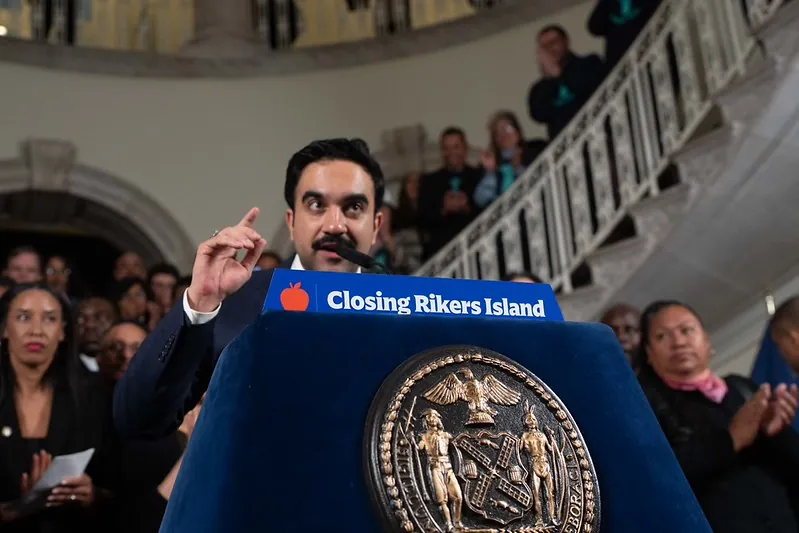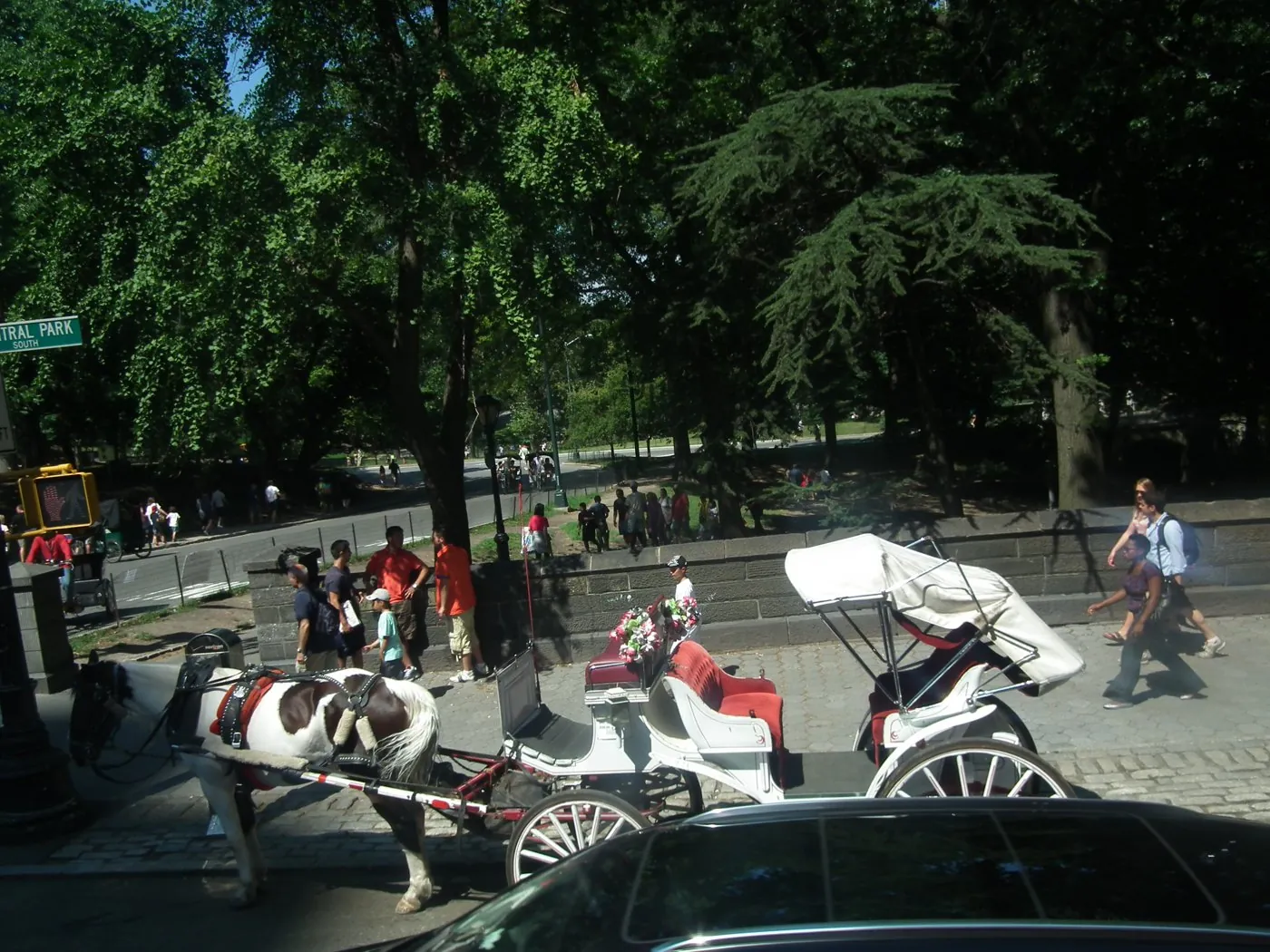
Central Park's horse-drawn carriages are headed for an end date. Mayor Zohran Mamdani and City Council Speaker Julie Menin have reached a deal on legislation to abolish the carriage rides, City Hall and Council officials said Tuesday, advancing a bill named Romanch's Law to a full Council vote on October 22.
Under the legislation, carriage services would be prohibited beginning June 1, 2028, and the city would stop issuing new licenses for horse-drawn cab operations. Council Member Christopher Marte, the bill's primary sponsor, told CNN the measure has 29 co-sponsors, and he expects it to pass.
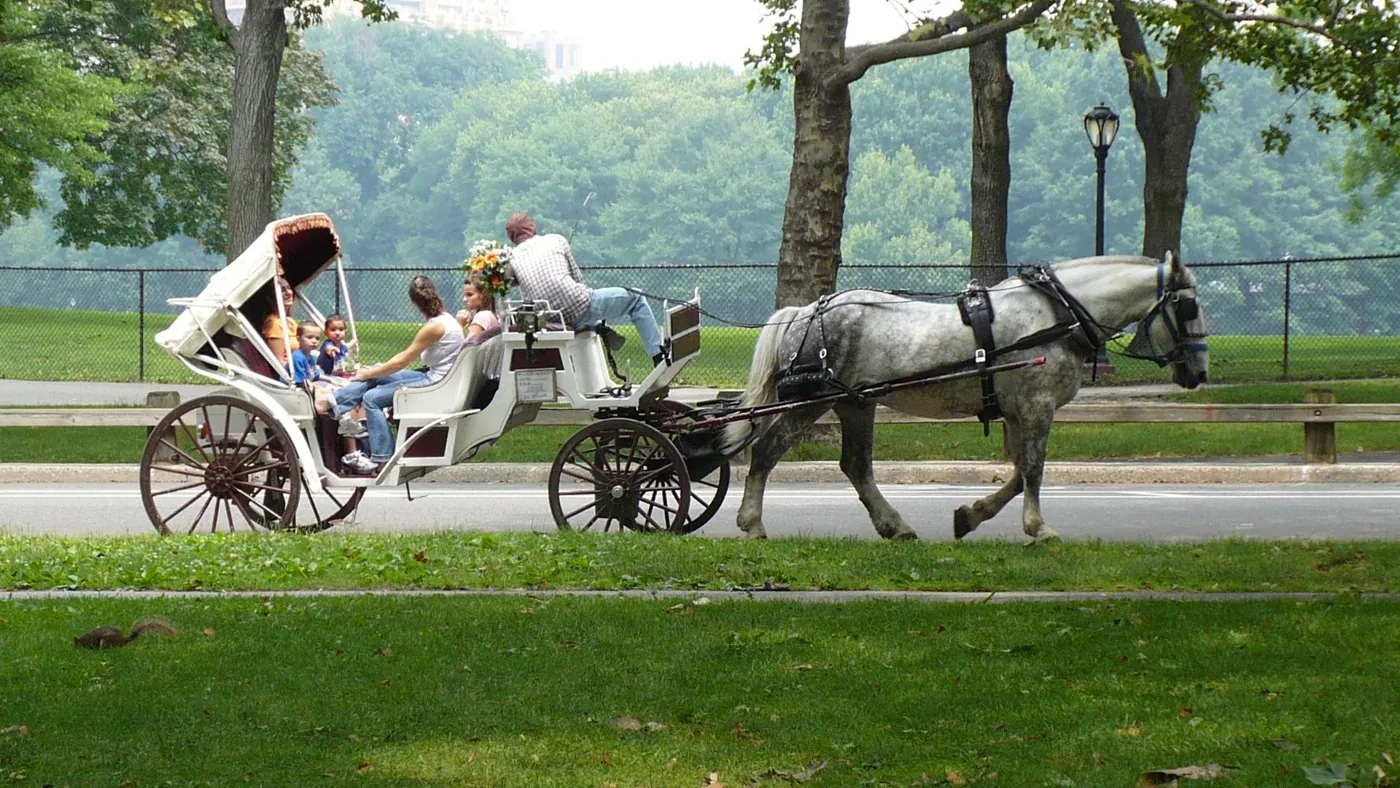
The bill is named for Romanch Mahajan, an 18-year-old tourist who died in June after he was thrown from a carriage when the horse bolted during a family visit to the park. In its October 14 announcement, the Council said his death had made clear that the existing arrangement was no longer acceptable.
In a statement, Menin said the death showed the current arrangement was no longer acceptable and that the tradition had become a public safety problem in an increasingly busy Central Park. Sneha Choudhary, a spokesperson for City Hall, said in a statement reported by CNN that the administration had worked closely with the Council, union partners, carriage drivers, animal welfare advocates and community leaders on a transition that protects workers while ending the carriages.

The deal includes rules for the horses themselves. Owners will have to notify the Mayor's Office of Animal Welfare before disposing of an animal, and the bill forbids selling or transferring horses for slaughter or for use in another carriage business, according to the legislation reviewed by CNN.
For workers, the bill sets up an industry transition framework. The city must prepare a worker transition plan by April 2027, and the mayor will designate an agency to help drivers and other employees find jobs and training, with the Taxi and Limousine Commission, the MTA and the hospitality and tourism industries among the possibilities named in the legislation. The Post reported the plan is meant to connect about 200 carriage drivers with new work.
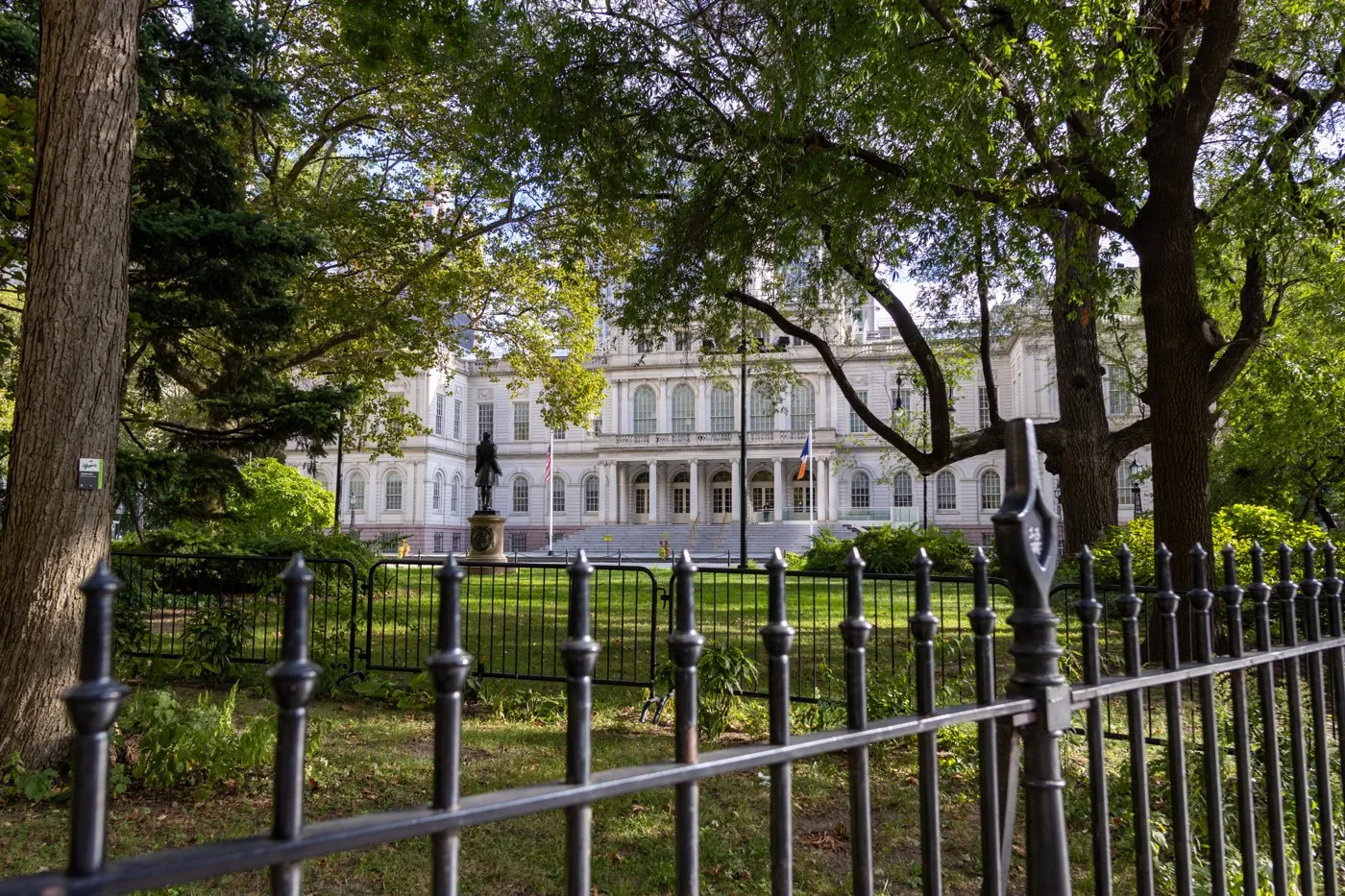
The carriage industry and its union oppose the ban. Transport Workers Union International President John Samuelsen criticized the transition provisions in a statement reported by CNN, calling the job fair and counseling measures in the bill weak. Christina Hansen, a representative of TWU Local 100, which represents carriage drivers, said the industry intends to challenge the ban in court if it passes, Law Commentary reported. Carriage owners have denied claims that the horses are mistreated, arguing the animals are well cared for and the stables meet code, CNN reported.
Animal welfare advocates, who have pushed for a ban for years, welcomed the agreement, CNN reported. NYCLASS, a group that has campaigned against the carriages for several years, backed the deal.
If the Council passes the bill on October 22, the phase-out runs to June 1, 2028, when one of the park's oldest visitor traditions would come off the road for good.