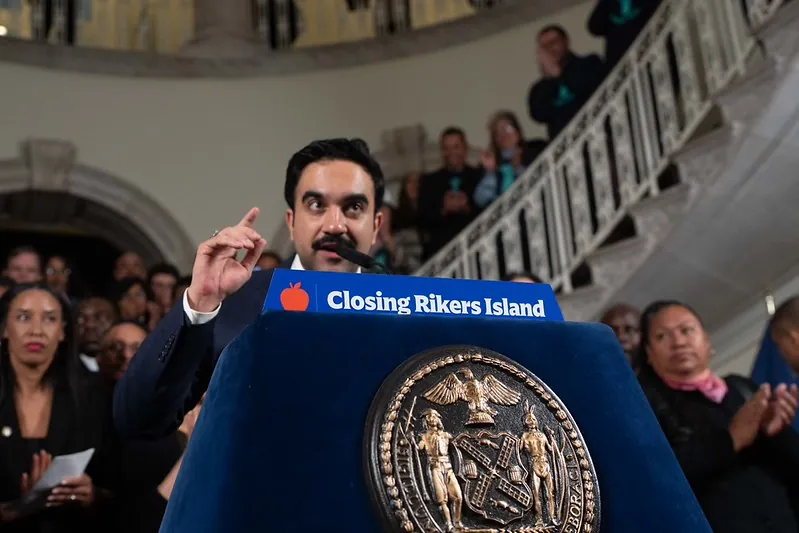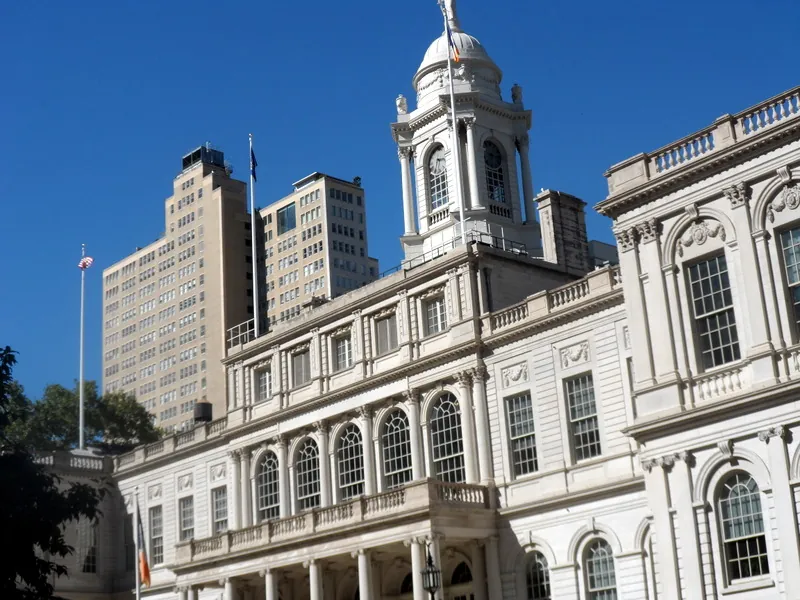
The New York City Council adopted a $125.8 billion budget for fiscal year 2027 on June 30, closing out months of negotiation with a deal between Mayor Zohran Mamdani and Council Speaker Julie Menin that both sides described as the product of days of contentious final talks. It is the first budget of Mamdani's mayoralty and the largest spending plan in the city's history.
Housing sits at the center of the agreement. The budget puts $175 million in fiscal 2027 toward a new rental assistance program run by the Department of Housing Preservation and Development, with a $125 million baseline commitment beginning in fiscal 2028. Another $4.2 million in fiscal 2027 is dedicated to preserving more than 200 affordable units a year, a figure set to grow to $17.5 million by fiscal 2030. A $2.3 million baseline will fund housing for victims of violence and support homeowners at risk of displacement.
The deal also settles one of the longest-running fights between the Council and the administration: the expansion of the city's FEPS rental assistance vouchers. As part of the budget package, the administration agreed to drop its lawsuit against the Council over the voucher program, clearing the way for legislation expanding it.
Transit affordability gets a boost as well. The budget extends Fair Fares eligibility to 200 percent of the federal poverty level, widening the half-price MetroCard program to more low-income riders. And every child who attends a public kindergarten will get a $1,000 college savings account, a $53 million investment the administration calls NYC Kids Rise.
The mayor's office says the gap was closed without the 9.5 percent property tax increase that had been feared earlier in the spring. Instead, the plan relies on a new pied-a-terre tax, an annual surcharge on second homes in the city that are not listed as primary residences, along with cuts to overtime spending and other operational savings. The agreement came about a month after the mayor released a $124.7 billion executive budget in May.

"We balanced this budget without resorting to austerity," Mamdani said in a statement. "We protected the services New Yorkers rely on, while restoring honesty to the City's finances. We accelerated the affordability agenda by investing in housing, mental health services, parks, libraries and students of all ages. This agreement proves that fiscal responsibility and public excellence can go hand in hand."
Not everyone is convinced the math holds. City Comptroller Mark Levine warned as the deal was struck that the city faces a significant budget gap in fiscal 2028, telling reporters the city would confront that hole without the one-time measures used this year. In July, the mayor directed agencies to find 2.5 percent in savings ahead of a gap the comptroller has described as at least $6 billion.
The fiscal 2027 budget took effect July 1. Its first real test will come in the fall, when agencies begin spending against the new baselines and the administration starts building the case for next year's plan.