Mayor Zohran Kwame Mamdani on Monday put $25 million in new city funding behind an expanded Code Blue system for homeless New Yorkers, in a winter mobilization that also changes how the Sanitation Department clears snow from bus stops, sidewalks and crosswalks.
The National Weather Service expects a strong El Nino to bring a warmer, wetter winter, with more rain, sleet and ice and the chance of heavy, wet snow in major storms, according to the mayor's office. The city says the new Code Blue resources will scale with the severity and duration of cold, snowy and icy conditions. Last winter the administration ran what it called the city's first ever 24 hour Enhanced Code Blue activation, coordinating dozens of agencies, opening new warming shelters and putting warming buses on the street.
More than 300 additional canvassers will walk and drive designated routes through high impact areas in all five boroughs, covering 75 percent of the locations where homeless New Yorkers are known to stay. The teams will try to engage every person they meet rather than work from predetermined lists. Social Services Commissioner Erin Dalton explained the change in the release: "Instead of working from a list of names, DSS will work from a map, covering blocks, subway stations and parks where we know most people are living outside." Dalton said the map based approach was tested over the summer under Code Red, when outreach teams met 20 times as many people as in earlier efforts and brought seven times as many indoors.
In shelter, the plan adds 800 low barrier beds spread across more than 600 rooms, a mix of singles and doubles. Up to 55 NYC Health + Hospitals WARM mobile units, each staffed by a registered nurse or nurse practitioner, will bring medical support to people where they are and transport them to warming centers, medical facilities and other warm locations, and additional nurses will partner with outreach teams during extreme weather to provide on site clinical care. Health + Hospitals will open at least three of its hospitals as warming centers, and all 11 of its facilities during the most severe weather, while the Department of Homeless Services will open eight drop in centers and four new warming centers, and will run 20 warming buses when demand peaks. The Health Department will extend hours at four syringe service providers so that clients have overnight access to warm spaces.
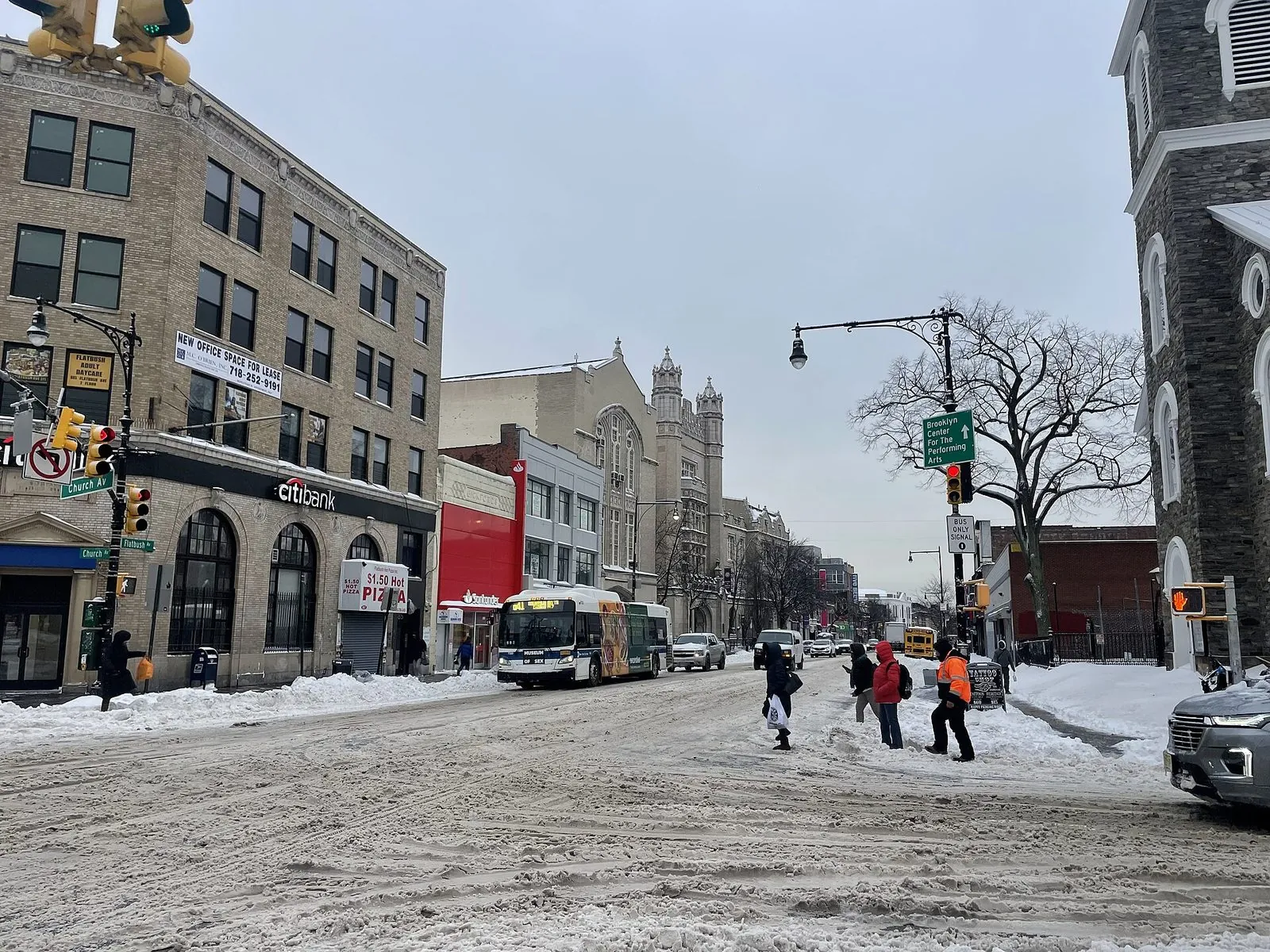
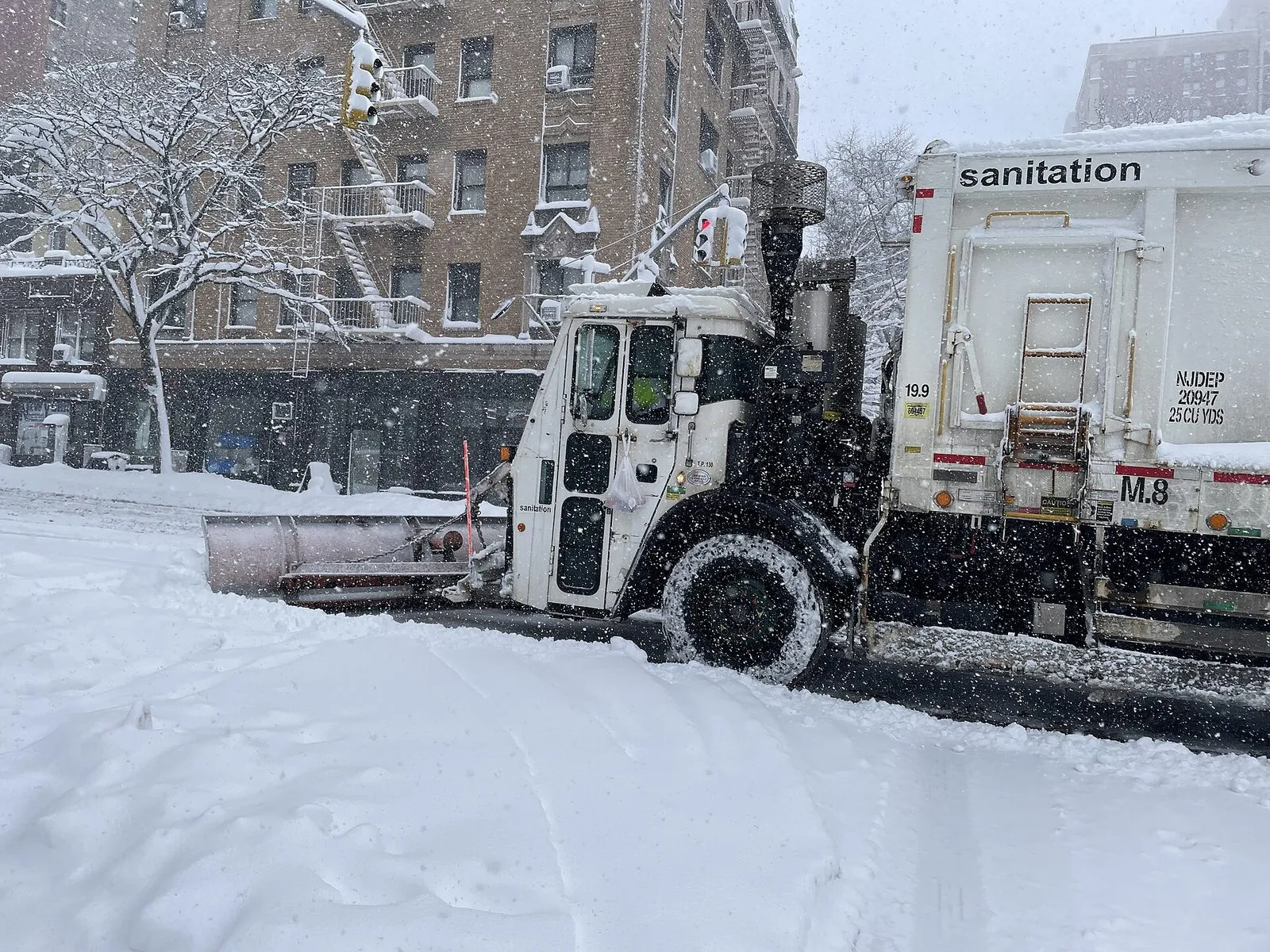
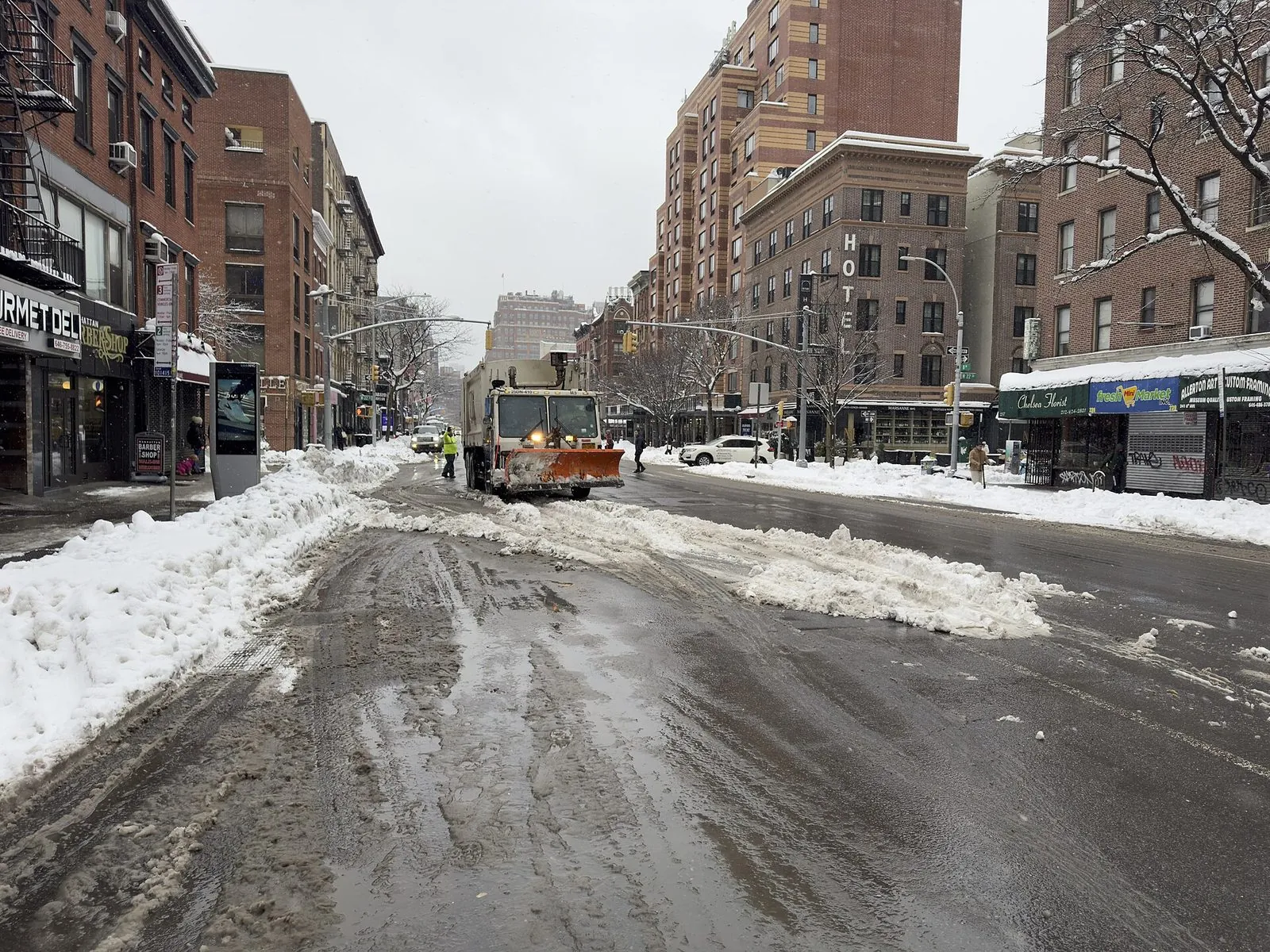
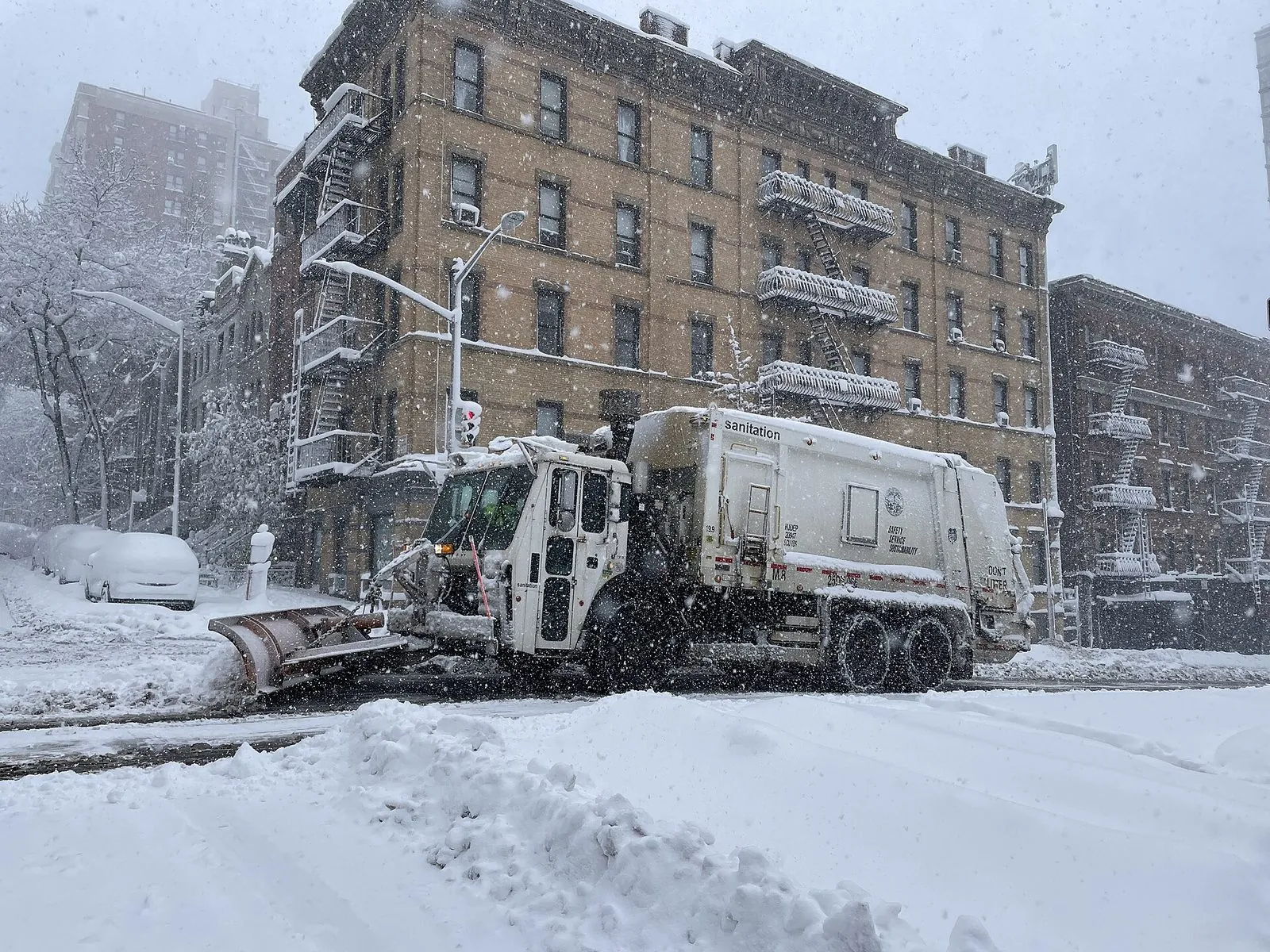
On the streets, the Department of Sanitation says it has more than 2,200 vehicles ready to be converted to snowplows, more than 700 salt spreaders and 47 pieces of specialized equipment built for protected bike lanes. Some 7,000 uniformed sanitation workers have trained for snow duty, and the salt stockpile stands at 500 million pounds. New this year, every bus stop, sidewalk and crosswalk has been formally added to the department's internal snow route maps, new forecast triggers will let the agency pre-position contractor equipment for pedestrian infrastructure, and eight new plow sector routes have been added in the hilliest parts of Staten Island. The department has also acquired its first 120 snow blowers to clear bus stops and crosswalks faster, fitted 678 plows and spreaders with new composite blades, serviced all 705 of its large and small salt spreaders and other snow equipment, and already registered more than 3,000 emergency snow shovelers, compared with only a few hundred at this point last year.
The Housing Authority says it has completed preventative maintenance, inspections and repairs on all of its heating infrastructure, covering 965 boilers, 1,472 hot water systems and 1,507 heat distribution systems, and has invested more than $121 million in heating upgrades at four developments since last winter, with another $728 million across 20 developments nearing completion this winter. In private housing, the Department of Housing Preservation and Development will for the first time respond to every nonanonymous heat complaint, rather than grouping complaints from multiple apartments in the same building and closing all of them once the first is resolved. Emergency Management will lead the city's winter communications through Notify NYC, which the city says now reaches more than 1.6 million subscribers.
"No New Yorker should face the dangers of winter alone, and no part of our city should be left behind," Mamdani said in the release.