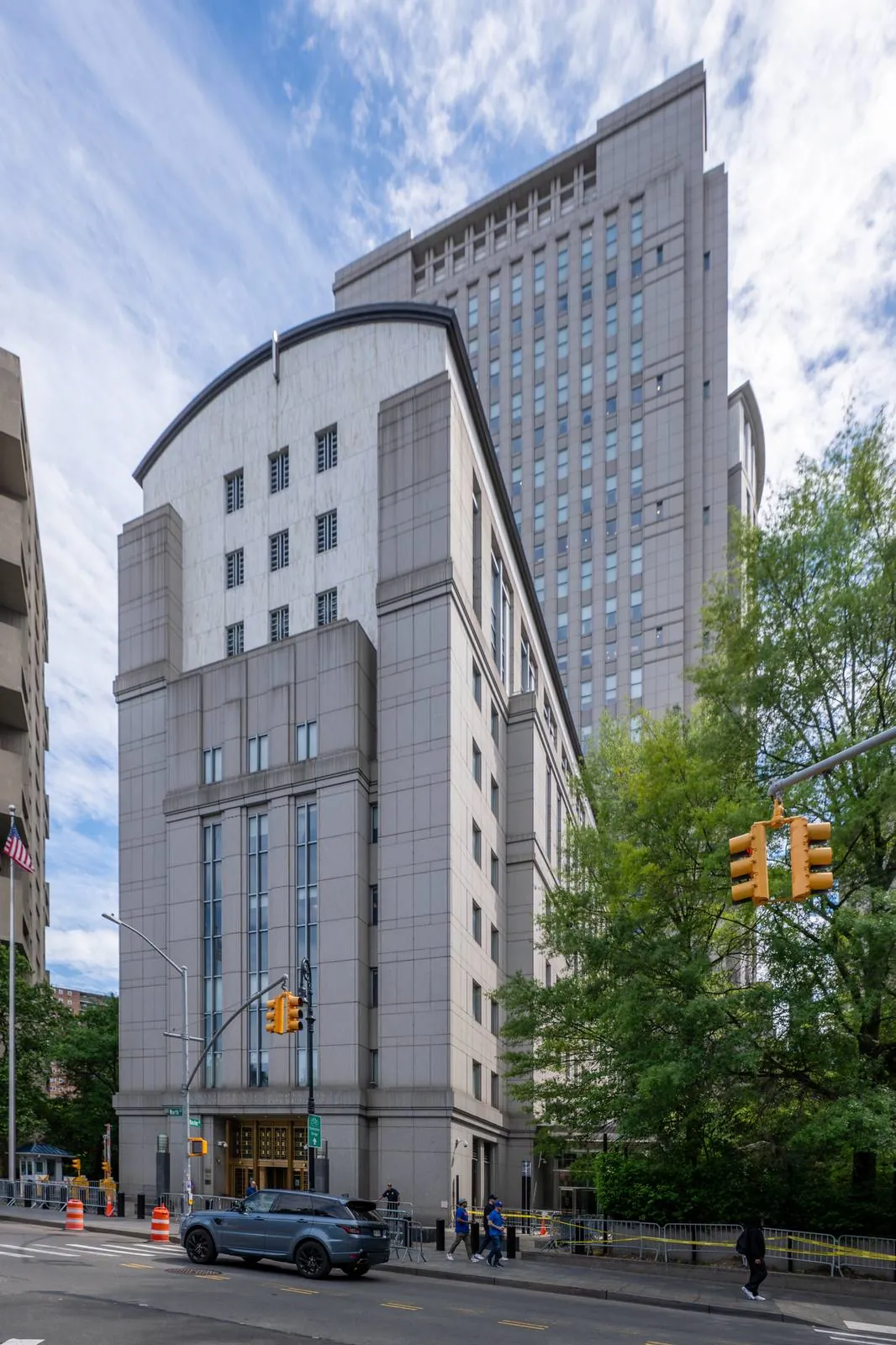
The second ruling came on September 23 in Manhattan. In United States v. New York, U.S. District Judge P. Kevin Castel sided with the United States and the Environmental Protection Agency on their preemption claims, declared the Climate Change Superfund Act unconstitutional, and permanently barred state officials, among them Governor Kathy Hochul, Attorney General Letitia James, and Department of Environmental Conservation Commissioner Amanda Lefton, from enforcing it.
Governor Hochul signed the Climate Change Superfund Act in December 2024. It set out to assemble $75 billion for infrastructure that protects the state against flooding, extreme heat, and other effects of a changing climate, and to raise the money from fossil-fuel producers. Any company whose extraction or refining between 2000 and 2024 accounted for more than one billion metric tons of greenhouse-gas emissions would owe a share of the total, set by its proportion of those emissions and collected at $3 billion a year over 25 years.
Castel's ruling was the second federal invalidation in less than a month. On August 31, Chief Judge Brenda Sannes of the U.S. District Court for the Northern District of New York granted summary judgment against the same law, calling it "simply beyond the limits of state law" and holding it preempted by the Clean Air Act. Her reasoning leaned on the Second Circuit's ruling in City of New York v. Chevron Corp., the decision that threw out the city's tort claims for climate damages against major fossil fuel producers. Her case had been brought by a coalition of 22 states, industry associations, and energy companies; the Justice Department separately sued New York over the law.
Castel found the law preempted on two grounds: the Clean Air Act displaced the federal common law the claims rested on, and the measure was field-preempted under the foreign affairs doctrine, which reserves control over foreign relations to the federal government. The court also found the United States had standing to defend its sovereign authority to regulate interstate emissions. Because the law counted emissions tied to a company's products anywhere in the world, not just in New York, the court treated it as an attempt by one state to price global greenhouse-gas emissions.
"This is a major victory in the fight against liberal states, trying to balance their budgets on the backs of our hard-working men and women in the coal, oil and gas industries," West Virginia Attorney General JB McCuskey said in a statement after the earlier ruling. Environmental advocates urged New York to appeal. "The fossil fuel industry would like nothing more than for one district court ruling in New York to scare lawmakers across the country into backing down, but this decision doesn't bind other states or stop them from passing their own laws," said Cassidy DiPaola, communications director for Make Polluters Pay, an advocacy campaign supporting climate Superfund bills. "New York should fight this ruling, and every other state should keep moving until we make polluters pay their fair share."
For now, the $75 billion Albany expected to spend on climate adaptation remains a line item with no revenue behind it. Lawmakers in other states have been weighing similar legislation, and its supporters are watching whether James appeals. The state has not yet said whether it will take the Southern District ruling up.