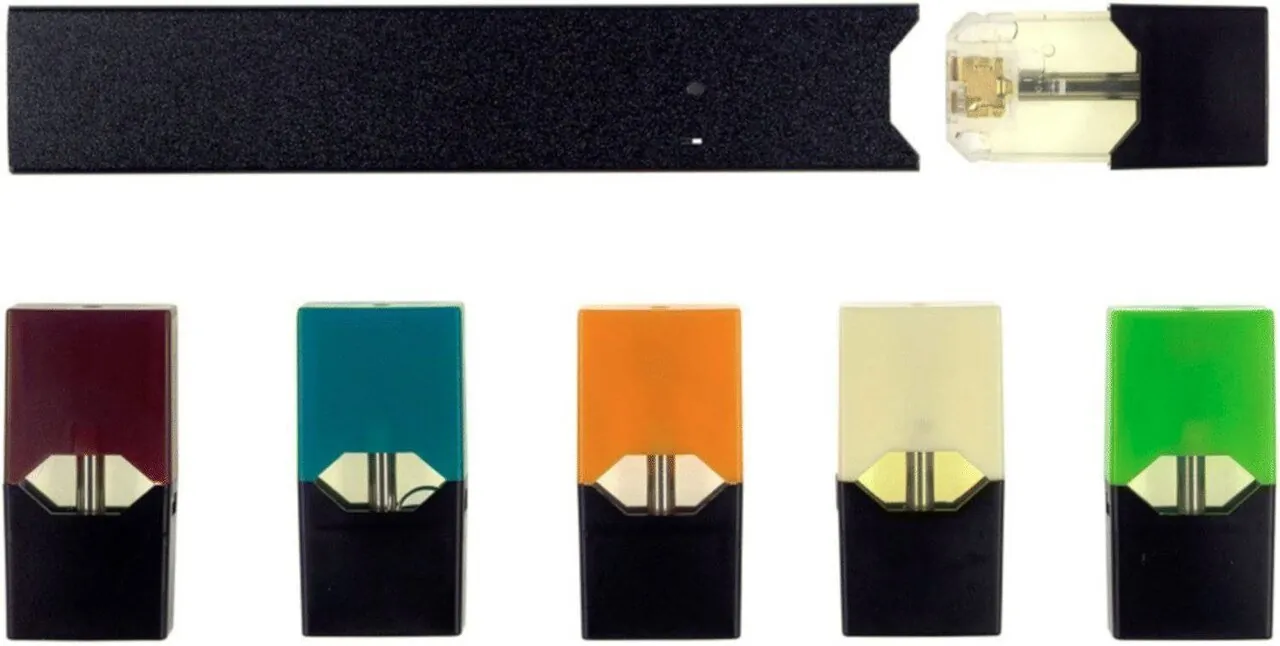
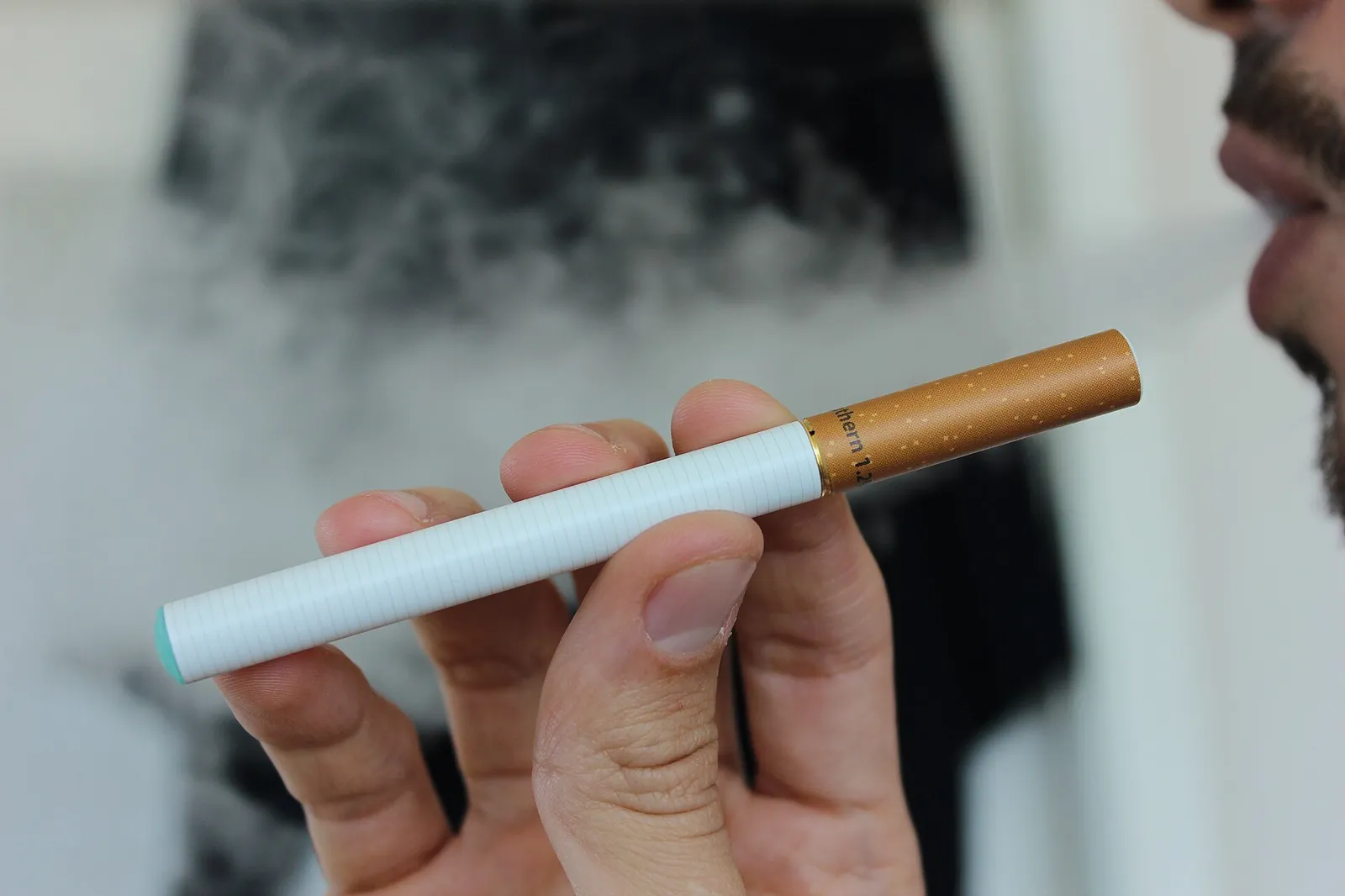
Flavored e-cigarettes have been banned in New York City since 2019, but investigators posing as customers found them for sale within 500 feet of about a third of the public middle and high schools the City Council analyzed, according to an Oversight and Investigations Division report the Council released on Wednesday.
"The findings of our investigation are deeply concerning and underscore the need for stronger oversight of flavored e-cigarette sales, particularly near our city's public schools," said Council Speaker Julie Menin. "We have a responsibility to protect our young people from the dangers of nicotine addiction, and that means ensuring the laws we pass to keep harmful products out of their hands are being effectively enforced."
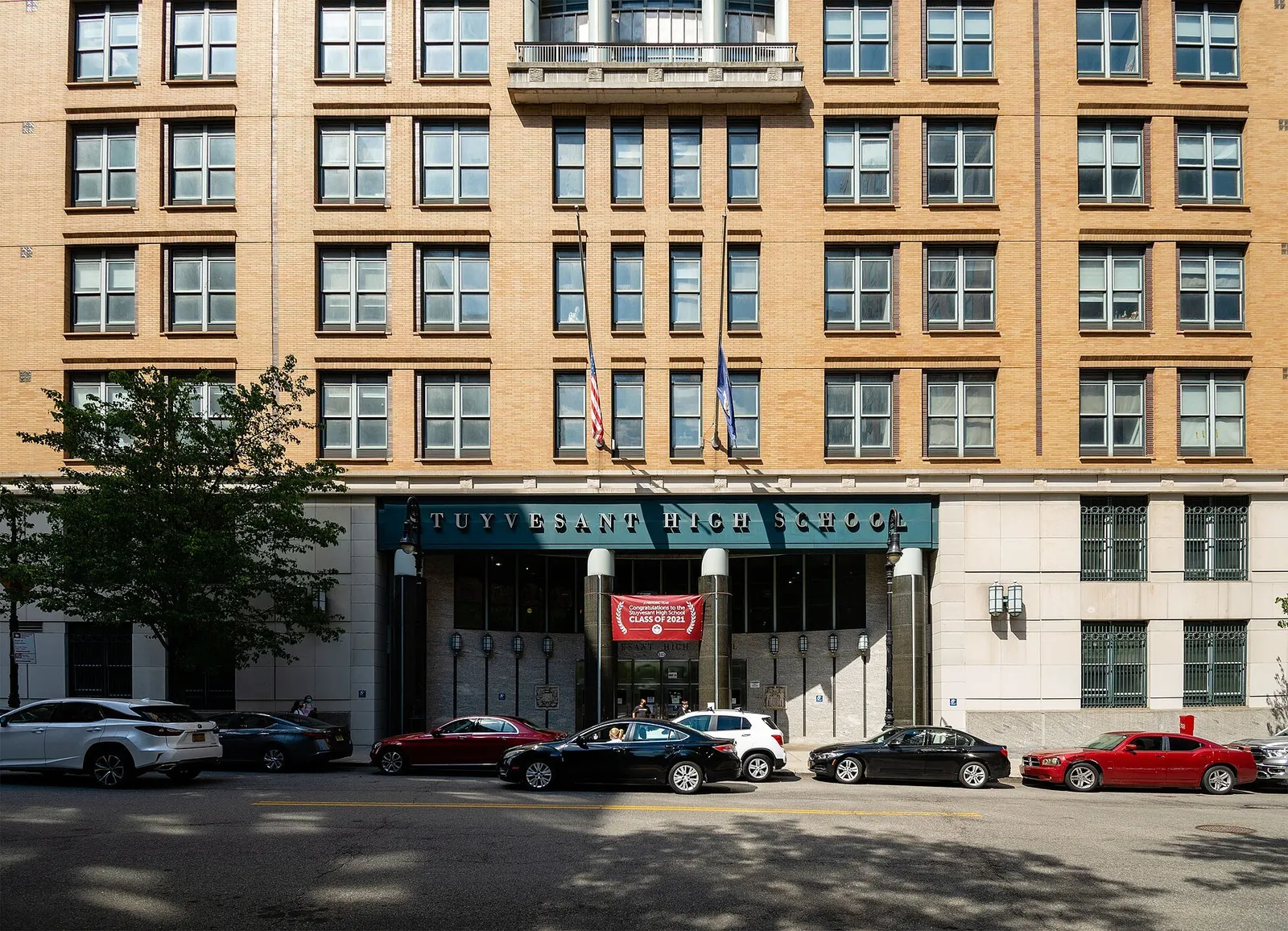
The division's investigators went to 193 retailers, all within 500 feet of a city public middle or high school, and tried to buy flavored vapes the law prohibits. The shops were a mix of licensed e-cigarette retailers and unlicensed ones, the latter drawn from businesses that had drawn recent tobacco or e-cigarette complaints. Of the 201 schools analyzed, 32 percent had a retailer within 500 feet offering prohibited flavored vapes, and at 35 percent a retailer nearby was displaying tobacco or e-cigarette advertisements or smoking paraphernalia that the law prohibits. Many shops kept the products hidden from view and produced them only when a customer asked, the practice that gives the report its name, Behind the Counter.
Among surveyed businesses selling e-cigarettes, 40 percent offered prohibited flavors outright. Another 43 percent offered products labeled as "clear" flavored and no other identifiable prohibited flavor, a label the report says raises concerns that products are marketed as unflavored while carrying a distinguishable non-tobacco taste, or that the label disguises prohibited flavors. Taken together, 83 percent of the sellers offered a prohibited flavor, a "clear" labeled product, or both.
Licensing made little difference. Of 101 retailers licensed by the Department of Consumer and Worker Protection that were offering e-cigarettes, more than a quarter offered at least one identifiable prohibited flavor. All 28 unlicensed retailers found offering e-cigarettes offered prohibited flavored products.
The enforcement ledger is thinner than the violation count. The report found approximately $1.12 million in penalties issued to businesses without active e-cigarette licenses, with recorded payments amounting to just 0.5 percent of those penalties.
The legal backdrop is two layers deep. The Council banned the sale of any flavored e-cigarette in Local Law 228 in 2019, defining a flavored product by a characterizing flavor distinguishable from tobacco. The state added similar restrictions to its Public Health Law the following year, and state law separately prohibits businesses within 500 feet of a school from displaying e-cigarette advertisements.
Council Member Harvey Epstein, chair of the Committee on Consumer and Worker Protection, said in an excerpt carried in the release: "While flavored vapes have been banned in New York City since 2019, the City Council's Oversight and Investigations Division found that they continue to be illegally sold and advertised near our middle and high schools. 64% of surveyed students reported that vaping is common at their school, we cannot afford to look the other way."
The report's recommendations ask the consumer protection department to determine whether "clear" labeled e-cigarettes comply with the ban and to issue public guidance, ask the department and the state health department to strengthen enforcement of advertising and display restrictions near schools, ask the administration to pair retail enforcement with youth-facing public health messaging, and ask the consumer protection department, the Office of Administrative Trials and Hearings and the Finance Department to review the unpaid penalty balances of repeat violators.
The findings get a hearing on Friday, when the Oversight and Investigations and Consumer and Worker Protection committees sit jointly to question the consumer protection department on its enforcement practices. The committees will also hear Introduction 1167, sponsored by Council Member Mercedes Narcisse, which would give the department the power to seal businesses that repeatedly sell prohibited e-cigarettes. DCWP Commissioner Samuel A.A. Levine said in the announcement that the department is proud to work with the Council to crack down on illegal sales near schools.