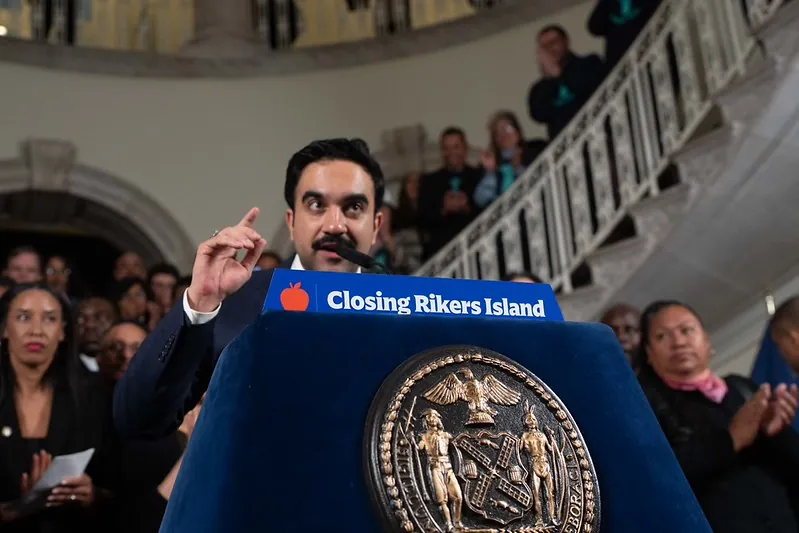
Mayor Zohran Kwame Mamdani signed the Community Opportunity to Purchase Act on Tuesday, closing a six year campaign for a law that gives community based buyers the first opportunity to purchase certain multifamily buildings before they are offered on the private market. The bill, known as COPA, was sponsored by Council Member Sandy Nurse and passed the City Council in October.
"Our homes should be places of stability, not vehicles for speculation," Mamdani said in the signing release. "COPA puts power in the hands of the community organizations that have spent years serving our neighborhoods and fighting to keep New Yorkers housed."
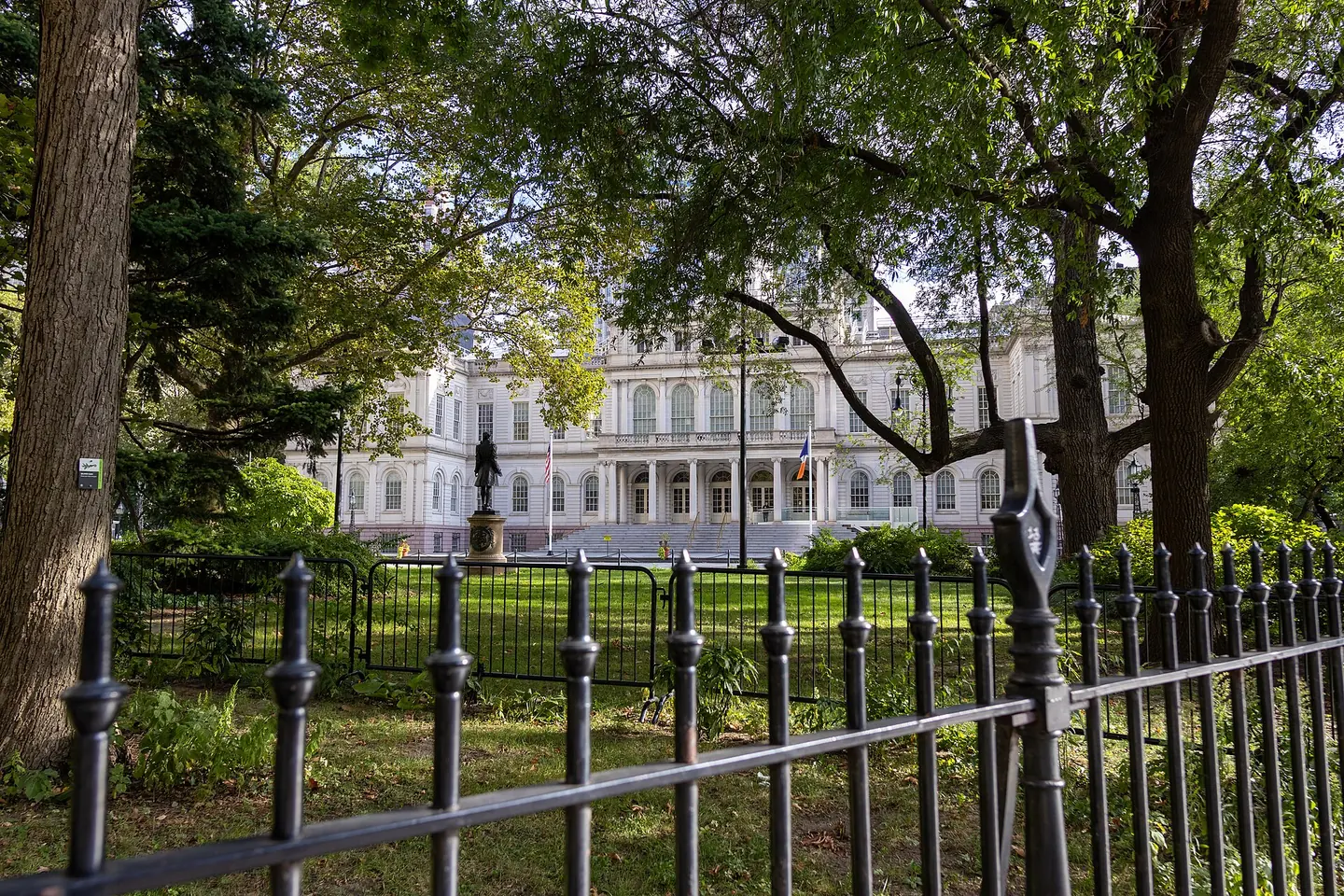
The law runs through the Department of Housing Preservation and Development, which will certify and list what the bill calls qualified entities: not-for-profit organizations, and joint ventures in which a certified nonprofit holds the controlling interest. To be certified, an organization must show the legal and financial capacity to acquire, rehabilitate or manage residential property, the ability to work with government and community stakeholders, and a record of preserving affordable housing. City Hall describes the first opportunity as a window of 145 days, after which an outside buyer who makes an offer within the following year can still be matched by the qualified entity that bid first.
The bill text sets the clock in steps. An owner of a covered building must notify HPD and every certified entity before taking any action to sell. A qualified entity then has 20 calendar days to file a statement of interest, and the owner has five days to hand over the rent roll, the prior year's income and expense report, the outstanding mortgage, open violations and any pending legal actions. Interested entities have 70 calendar days to submit a written offer, a deadline the HPD commissioner may extend by up to five days. The owner then has 10 days to accept, reject or counter, and an owner who accepts or counters has 30 days with the buyer to sign a contract.
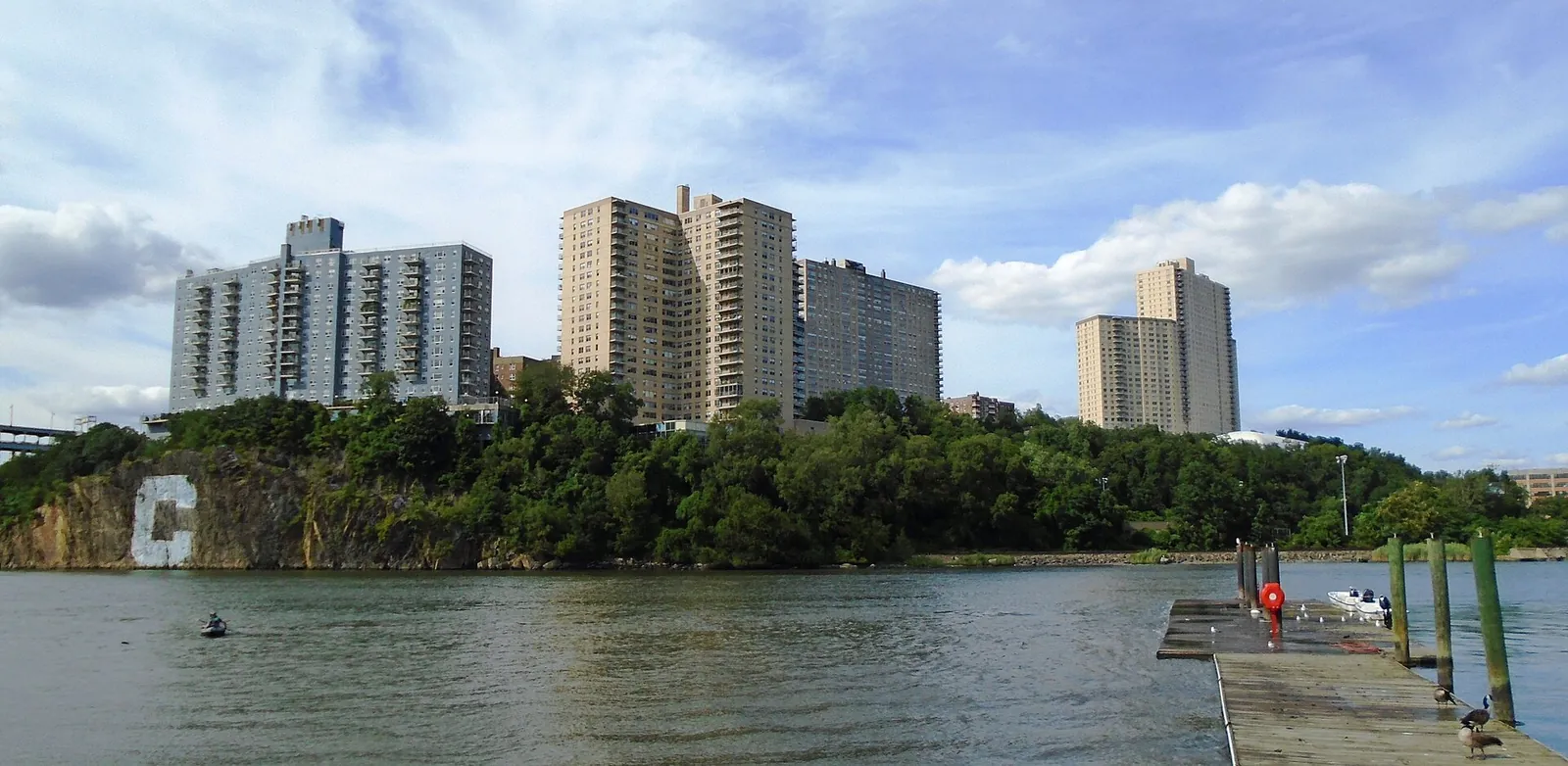
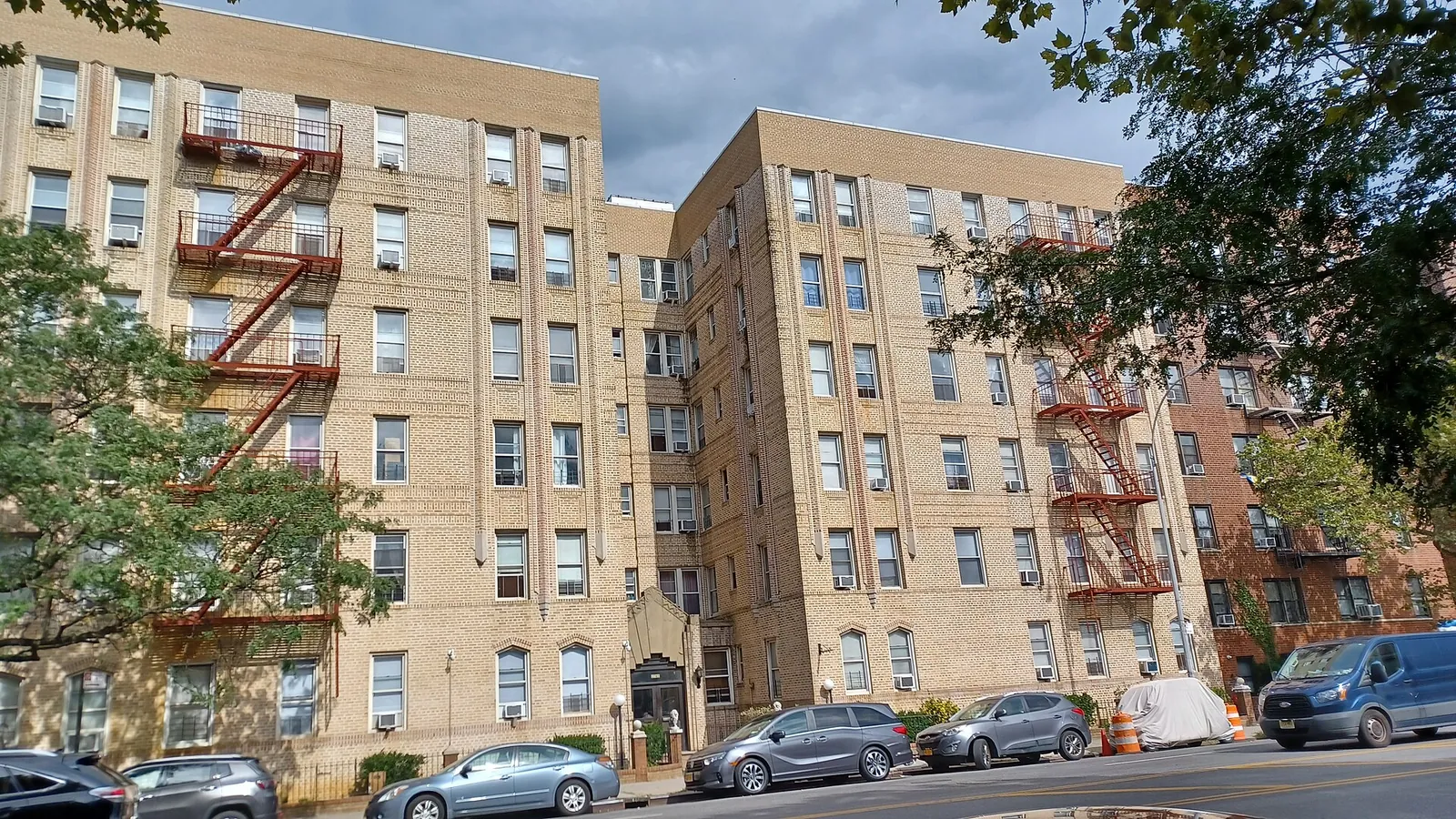
Coverage is defined by condition and by affordability status, not by size alone. The law applies to class A multiple dwellings with four or more homes that meet at least one of six tests: a year or more in the Alternative Enforcement Program, a city determination that the property is distressed and subject to foreclosure, a year or more under an order to correct an underlying condition, a violation average of three or more serious violations per home, a denied certification of no harassment within the past year that was never cured, or an affordability restriction managed by HPD in a building of no more than 100 homes. A building of five or fewer homes where the owner lives is exempt. An owner who sells a covered building without the required notice faces a civil penalty of up to 15 percent of the sale price, and the department may waive the law's requirements where an owner shows undue financial hardship.
"After six years, multiple Mayors, and a veto, COPA is finally signed into law," Nurse said. "COPA will preserve affordable housing and give working families a chance to stay in the city we love." The road she described is in the signing release as well: an earlier version of the bill passed the Council and was vetoed by former Mayor Eric Adams in December 2025, and the Mamdani administration made the revived bill a priority of its Block by Block housing plan, released in May 2026, which set goals of building 200,000 new affordable homes and preserving 200,000 more over the next decade.
Nothing changes for a building on the market this week. The local law takes effect one year after it becomes law, and HPD will use the interval to write the certification rules, build the list of qualified entities and create the process that notifies them when a covered building is offered for sale. The department must also report on the program to the mayor and the Council speaker every year starting June 15, 2029, counting notices, statements of interest, offers and purchases. "We look forward to implementing COPA and helping keep more New Yorkers in safe, stable housing," HPD Commissioner Dina Levy said.