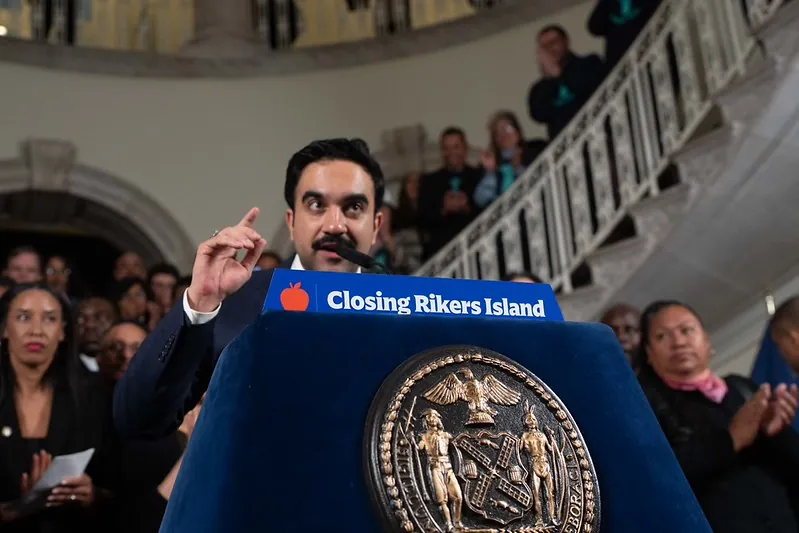
The U.S. Department of Agriculture will delay enforcement of its new stocking standards for stores that accept food stamps for 90 days, Mayor Zohran Kwame Mamdani announced on Friday, after negotiations with the Trump administration that the mayor undertook on behalf of New York City bodega owners. The rule was originally required to be implemented on November 4. Agri-Pulse, reporting the department's own statement on Friday, put the new compliance date at February 2.

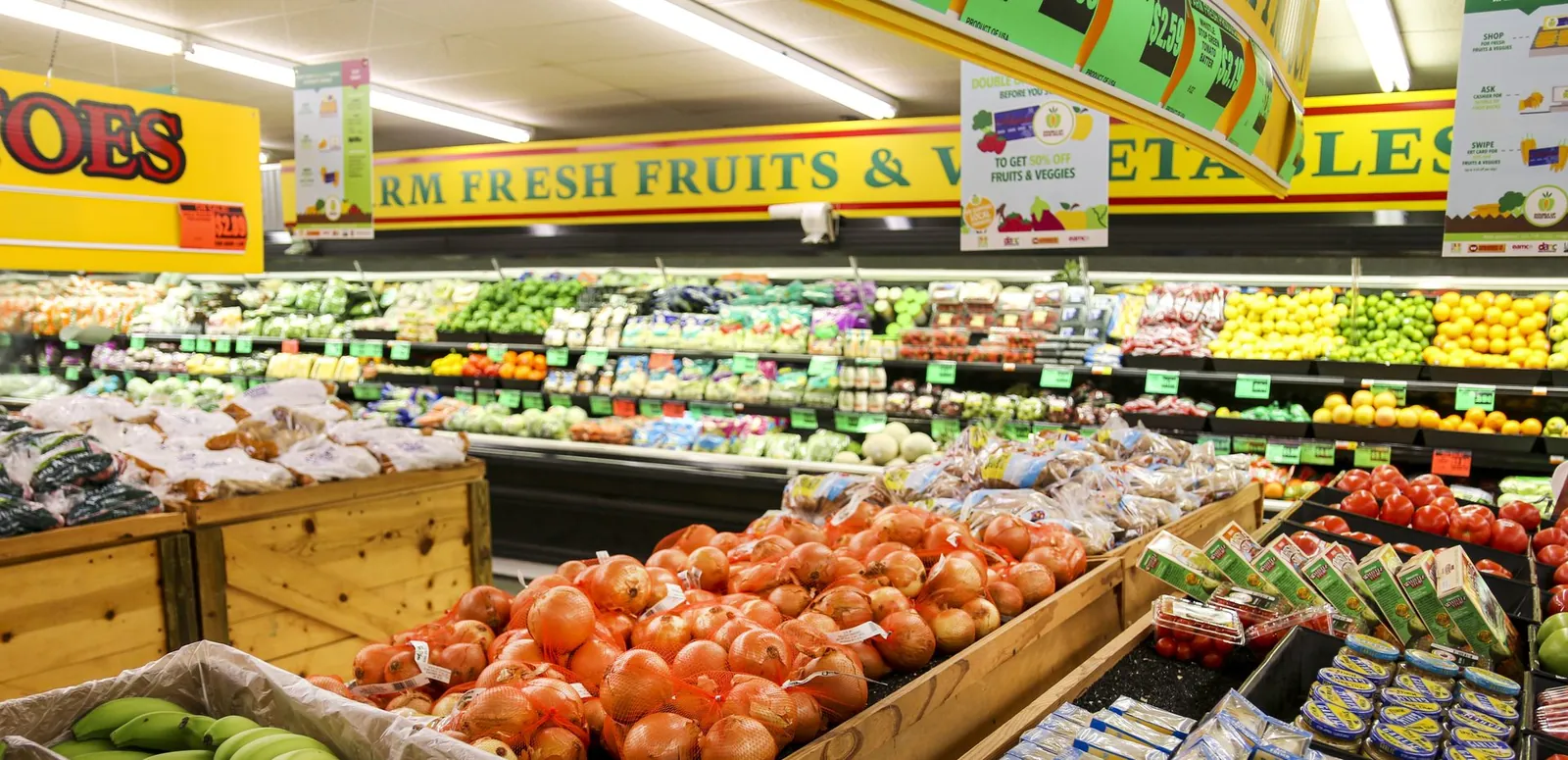
The rule at issue is the Agriculture Department's final rule expanding what a SNAP-authorized retailer must carry: seven varieties of food in every one of the rule's four staple categories (dairy, grains, proteins, and fruits and vegetables). The standards trace back to a mandate in the 2014 farm bill, and Agri-Pulse reported that they raise the total number of staple items a retailer must carry from seven to 28. The mayor's office said the department did not issue its implementation guidance until September 4, leaving businesses about two months to understand the requirements, secure qualifying products and make the investments compliance requires.
"When hundreds of bodegas came to our administration asking for help, we stood with them. These neighborhood businesses are the backbone of our small business economy and an essential source of affordable food for more than one million New Yorkers, and 36 million Americans, who rely on SNAP," Mamdani said in the announcement. "Without more time, many of these stores risked losing the ability to accept SNAP, threatening their livelihoods and making it harder for families to put food on the table. I am grateful that President Trump has agreed to delay beginning enforcement of this rule, and we will continue fighting to protect our neighborhood businesses and the New Yorkers who depend on them."
Friday's announcement came one week after the mayor publicly called on the department to delay enforcement, his office said. The New York Post reported that Mamdani had written the previous week to Agriculture Secretary Brooke Rollins, asking her for a six-month delay, and that the 90-day agreement followed direct talks between the mayor and the president. The delay applies to retailers nationwide, not only in New York.
The department, in a statement reported by Agri-Pulse, framed the extra time as a final chance to comply. "Today, the department will afford retailers 90 more days to get it right," a USDA spokesperson said. Retailer groups that had sought the delay welcomed it. "Today's announcement is a victory for convenience retailers across the country," said Margaret Mannion, a director of government relations at the National Association of Convenience Stores, in a statement the association issued on Friday. Agri-Pulse reported that a trio of associations, the convenience store association, NATSO and SIGMA, had sought more time, and that twelve Republican senators had also requested a delay.
At the mayor's Friday press conference, reported by Civil Eats, store owners said the problem was the timeline, not the goal. "We want to supply healthy food to our customers, and we also want to strive to be in compliance with every rule and regulation," said Amr Abozaid of the Yemeni American Merchants Association, where he directs small business services. "But when the federal government puts a new complex rule and only gives us a few months to comply, they set us up for failure." Mamdani said at the press conference that for corporate grocery chains the requirements posed little challenge, while neighborhood corner stores and bodegas are a crucial access point for SNAP households. Bodega organizations estimate that SNAP purchases account for 15 to 20 percent of a typical New York City store's sales, the mayor's office said, with some Bronx owners reporting figures as high as 30 percent.
The city said it will spend the extension working with the department's Food and Nutrition Service, the Department of Small Business Services and the Department of Health and Mental Hygiene to reach store owners and help them comply before enforcement begins. "Bodega owners keep asking us the same questions: which products count, where to buy them, and where to put them," said Small Business Services Commissioner Kenny Minaya. The department offers free compliance education through its expanded NYC Business Express Service Team program. The mayor described the extension as lasting at least 90 days; the stocking requirements themselves remain in place, with enforcement now set to begin on February 2.