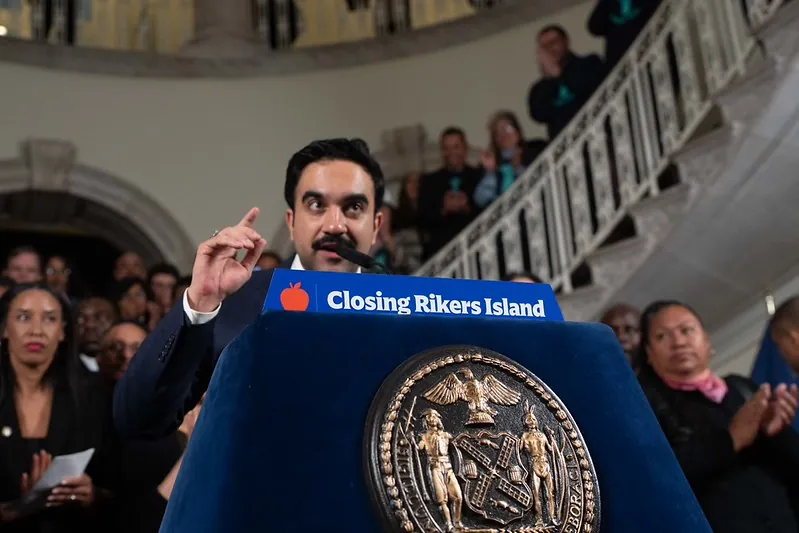
City Council Speaker Julie Menin and Mayor Zohran Mamdani announced Thursday the expansion of the Discretionary Grant Pilot, a streamlined approach that eliminates nine steps from the city's traditional discretionary contracting process and gets funding to community nonprofits up to nine months faster.
The expansion will cover more city agencies and providers with expiring multi-year discretionary contracts, allowing up to 800 community-based nonprofits to receive 100 percent of their awards within 30 days after both the grantee and the agency sign the grant agreement.

"In all five boroughs, our nonprofits are relied upon to deliver essential services that New Yorkers need, but they face severe bureaucratic challenges that impede service delivery and keep them from being paid on-time," Menin said.
"Our city government must work tirelessly to pay them quickly and efficiently so they can continue providing these essential services without disruption," Mamdani said. "By expanding this pilot, we are reducing barriers for 800 providers and simplifying a process that, for too long, has burdened non-profits."
The pilot's first run, in fiscal year 2026, disbursed $1 million to more than 100 providers. Participating nonprofits received their funding about 300 percent faster than under the traditional process: on average in three months, compared with more than 12 months the old way.

Eligibility for fiscal year 2027 covers nonprofits receiving city council discretionary funding with a cumulative total of $25,000 or less from mayoral agencies. The participating agencies include the Department of the Aging, the Department of Health and Mental Hygiene, the Department of Social Services and Human Resources Administration, the Department of Veterans Services, the Department of Youth and Community Development, Housing Preservation and Development, and the Department of Small Business Services.
The Mayor's Office of Contract Services, the Mayor's Office of Nonprofit Services and the City Council are running the expansion with city contracting agencies. Discretionary contracts account for nearly 70 percent of the human services contract backlog that has driven payment delays, according to the announcement.
In the coming days, the administration, the Council and the contracting agencies will identify the fiscal 2027 participants and notify them. Grant agreements go out in November 2026, organizations will have 30 days to return signed agreements, and payments will be issued in late 2026 or early 2027.
City Comptroller Mark Levine called the expansion a real victory for service providers that often operate with limited cash flow, saying delayed payments can create untenable operating conditions. Council Member Linda Lee, who chairs the Finance Committee, said the pilot lets community organizations focus on serving neighborhoods rather than worrying about when the city's payment will arrive.