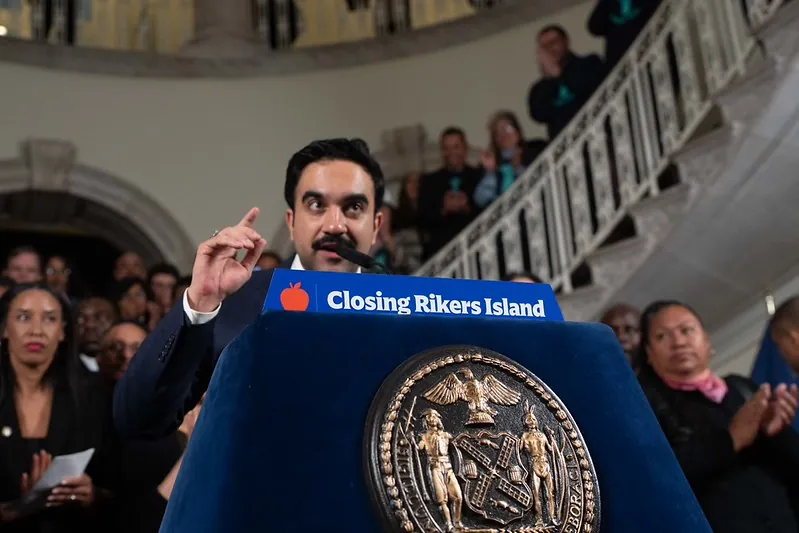
The city has billed more than $500 million under its new pied-à-terre surcharge on luxury second homes, Mayor Zohran Mamdani announced on Tuesday, even as the number of properties receiving bills landed at about half the list the city first notified over the summer.
Mamdani wrote on X on Tuesday that the city has billed "more than $500 million" to owners of second homes worth more than $5 million.
The Department of Finance figures released on Tuesday tell the narrower story underneath the headline number. The department mailed approximately 7,500 tax bills, down from the roughly 17,000 notices sent to property owners in July warning that they might owe the surcharge unless they could show the home was occupied for most of the year. About 8,900 exemption applications were granted, and around 1,600 exemption requests were denied.
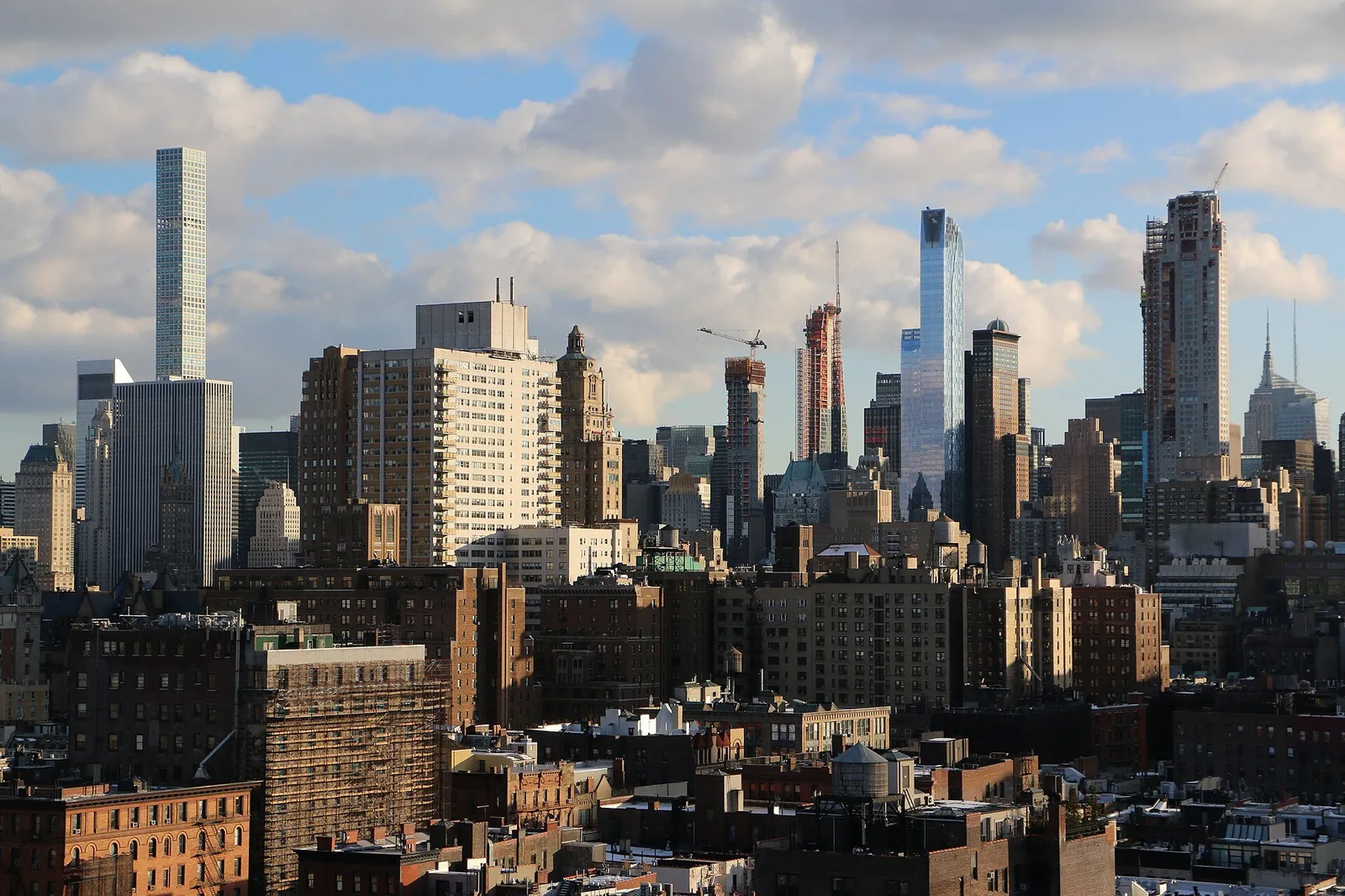
The surcharge, approved by the state Legislature in May, falls on homes that are not primary residences: one-to-three-family houses at $5 million or more in value, and condos and co-ops at $1 million or more. Rates rise on a sliding scale with value, so the most expensive homes carry the highest charges, and the charge appears on property tax bills due in January.
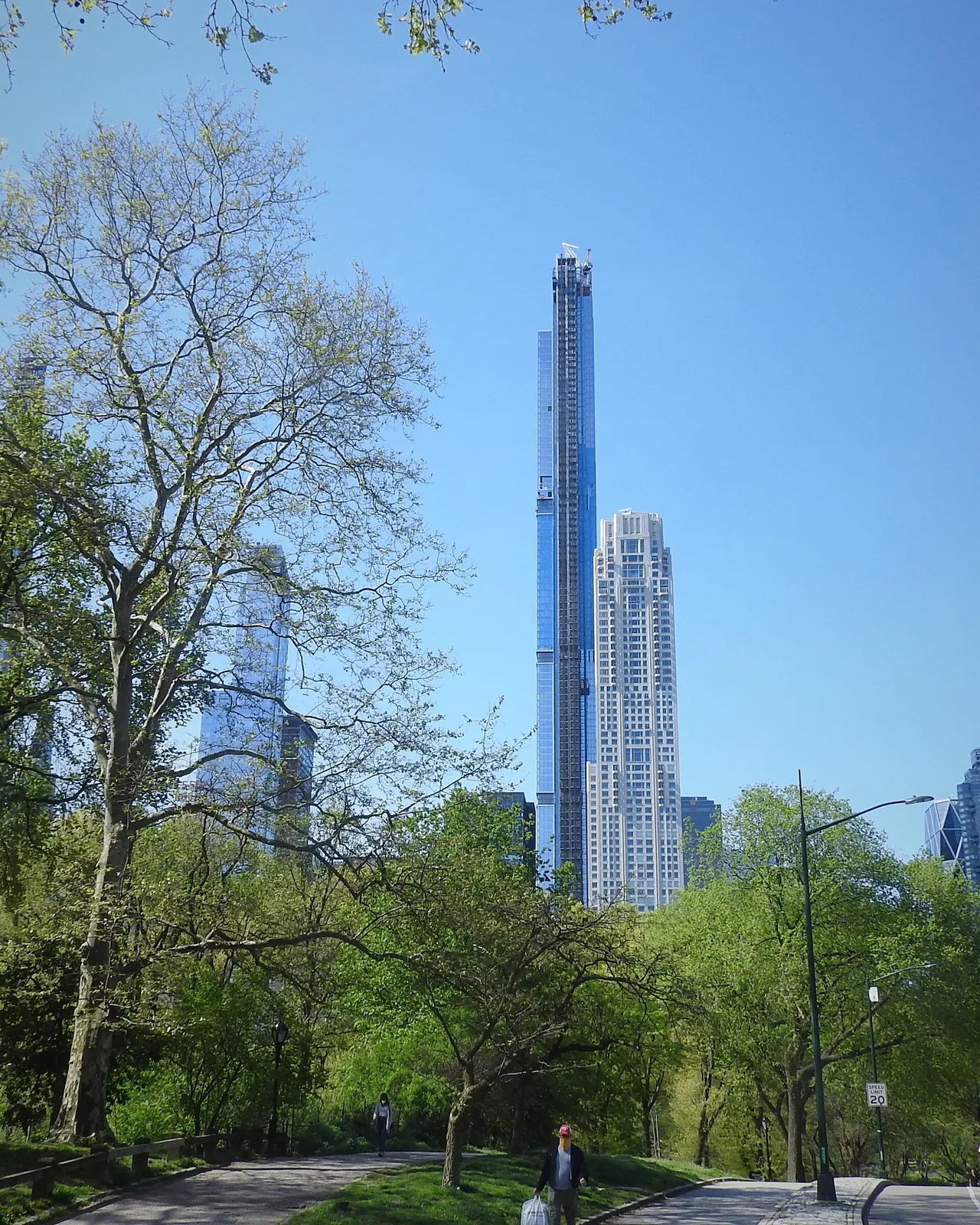
City officials said the total billed exceeded the $500 million target Governor Kathy Hochul outlined earlier this year. Billed is not the same as collected: the city has not said how much of the total has been paid, and it did not publish how the 7,500 bills are distributed across tax brackets.
Julia Agos, a spokesperson for the department, said the Finance Department would keep administering the surcharge "fairly and efficiently" and make sure those most able to contribute do their part.
The shrinking bill count drew skepticism from market analysts and property tax lawyers, who noted that the revenue projection stayed at $500 million while the estimates of how many homes would pay swung from an early state range of 11,000 to 13,000, to 10,000 in May, to the roughly 7,500 now being billed. Ben Williams, a property tax attorney at Rosenberg & Estis, ran the numbers from the city's published property list and calculated that the target still looked reachable: the 2,600 highest-value properties alone, if none of them were exempt, would produce $500 million.
The comptroller's office has run its own numbers twice. An April analysis estimated about $500 million from more than 11,000 properties before exemptions, and $340 million to $380 million after them. In June the office updated its projection to at least $1 billion before exemptions, and said it was confident the final figure would clear $500 million.
The tax remains in litigation, though its rollout survived a challenge earlier this month when a state appeals court unanimously dismissed a suit that called the rollout arbitrary and capricious. Owners who believe they were billed in error can still protest at the city's Tax Commission.