City Hall is buying research by the team. Mayor Zohran Kwame Mamdani announced this week that $2 million in seed research grants will fund more than 40 city projects, each one pairing agency staff with STEM researchers from local universities to work on a defined public problem. The vehicle is Pilot City, a program of Renaissance Philanthropy, a nonprofit founded by former members of the Obama administration's Office of Science and Technology Policy team.
The teams were matched at Pitchfest, an event the city co-hosted with Pilot City in May. More than 100 agency staff attended Pitchfest, where city employees pitched their project ideas to a room of more than 250 university experts. Ninety of the pitches found a research match, and more than 40 teams walked away with funding. Foundation money pays for the program, from the Tow Foundation and the Charles H. Revson Foundation, from Robin Hood and the Alfred P. Sloan Foundation, with the participating universities adding contributions of their own.
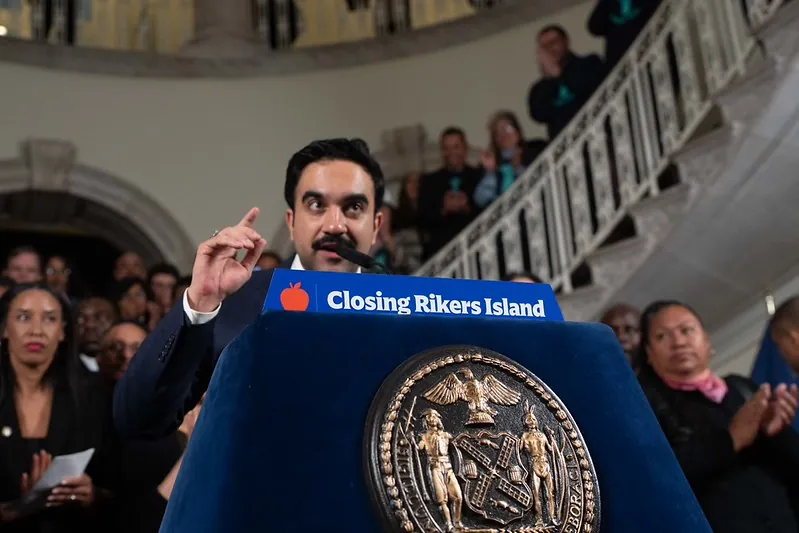
"By partnering agencies and research institutions, we're bringing the best of the best together to solve our neighbors' most pressing problems," Mamdani said. Chief Technology Officer Lisa Gelobter, who also serves as commissioner of the Office of Technology and Innovation, said: "The Pilot City initiative underscores the important role technology plays in delivering policy outcomes and showcases the value of collaboration and exploration as we pursue solutions for the city's most pressing challenges."
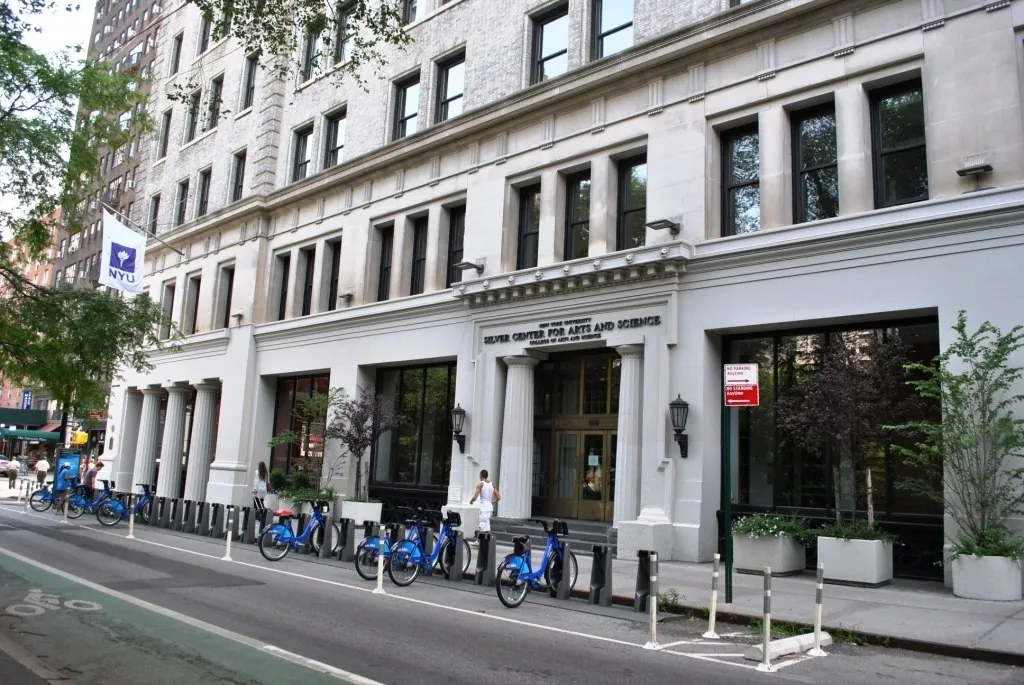
The funded work is concrete. The Mayor's Public Engagement Unit will work with the City University of New York to analyze data from the Tenant Helpline, Housing Court and 311, looking for patterns in displacement and building distress that can guide tenant protection outreach. The Housing Preservation and Development Department is separately working with New York University on technology to unlock historic documents to protect tenants and preserve affordability.
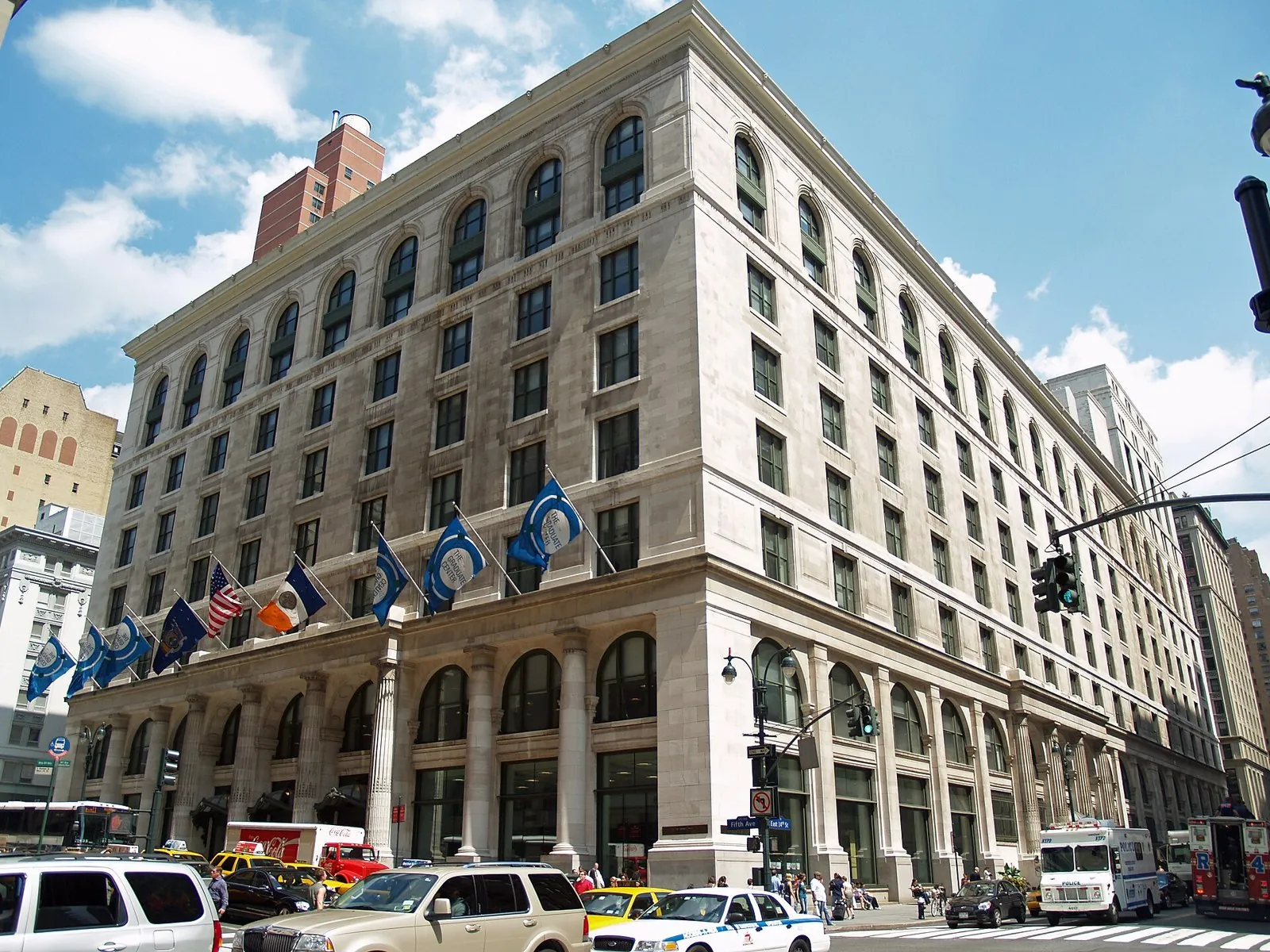
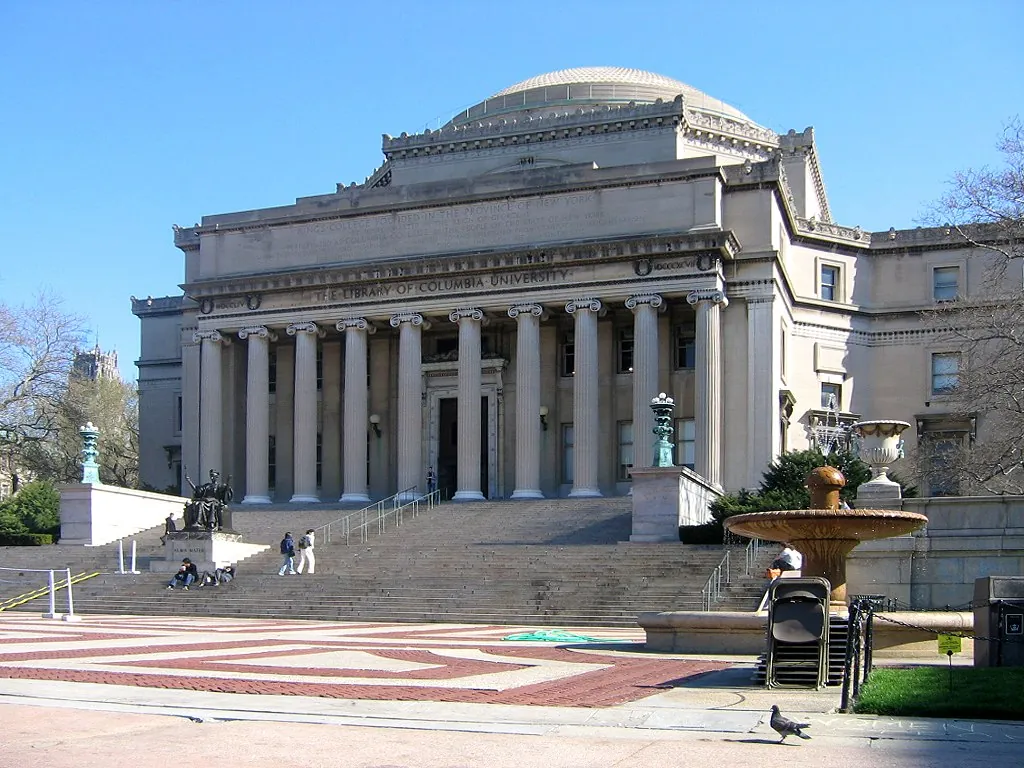
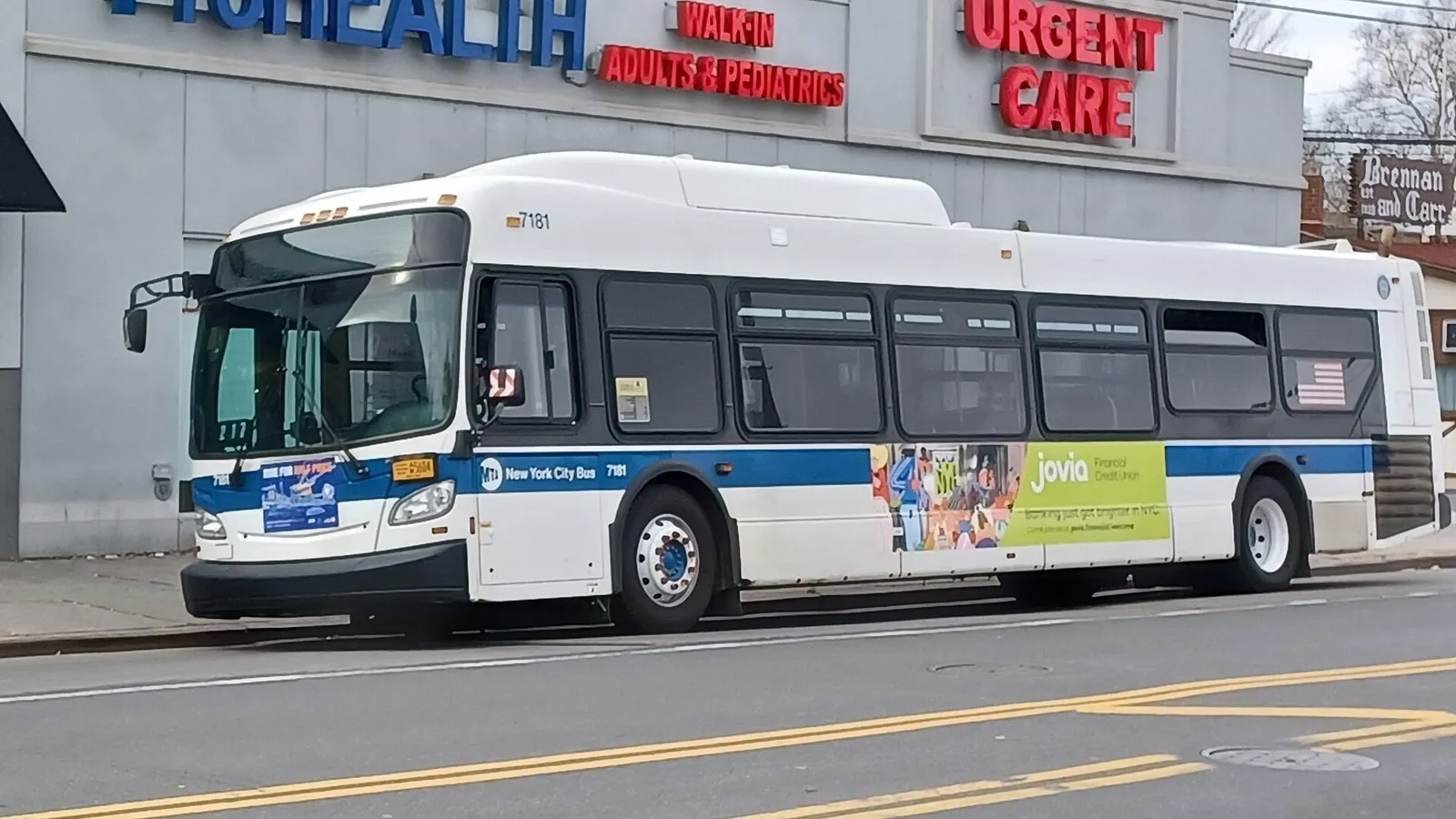
Transit gets two teams. One Transportation Department team, paired with New York University, will study what bus priority projects mean in socioeconomic terms for riders and for the neighborhoods the routes cross. A second DOT team, with Columbia University, will look at wayfinding for riders with vision disabilities. Emergency Management has two projects of its own, one with New York University on measuring the value of resilience investments and one with Vanderbilt University on transportation coordination during coastal flood protection deployments.
Other teams reach deep into the bureaucracy. DCAS, the city's administrative services department, is working with Pratt Institute and Vanderbilt University on a single online hub meant to make the civil service system easier to understand. The Department of Design and Construction is working with Vanderbilt on machine learning tools to cut its subcontractor review process from 60 to 90 days to just under two weeks. The public housing authority has two projects with Columbia University, on battery storage and on community-based mental health, and the Mayor's Office of Community Mental Health is building a Community Resilience Index with Cornell University.
The grants come with a short clock. Funded projects are selected for their ability to address a priority need for an agency, to follow a clear methodology, and to have a near-term impact, and each project must show meaningful outcomes within a six-month period, according to the program. This is the third year of the Pitchfest matching format in New York.