New Yorkers voted on Tuesday to let their city government move faster. All five ballot proposals written by the Commission on Government Efficiency, the charter revision commission Mayor Zohran Kwame Mamdani appointed this year, passed decisively, according to unofficial Board of Elections results reported with about 97 percent of scanners in. Yes led no by at least 23 percentage points on every question, and each proposal drew more than a million yes votes.
The closest question was Proposal 2, on city contracting, which had 1,061,799 yes votes, 61.77 percent, to 657,038 no. Proposal 1, on the use of public space, drew 1,099,934 yes votes, 63.38 percent. Proposal 3, covering street projects and city property, had 1,133,761 yes votes, 65.70 percent, and Proposal 4, on building permits, had 1,155,304 yes votes, 67.67 percent. The strongest support went to Proposal 5, the rainy day fund target, with 1,243,219 yes votes, 72.49 percent, to 471,812 no.
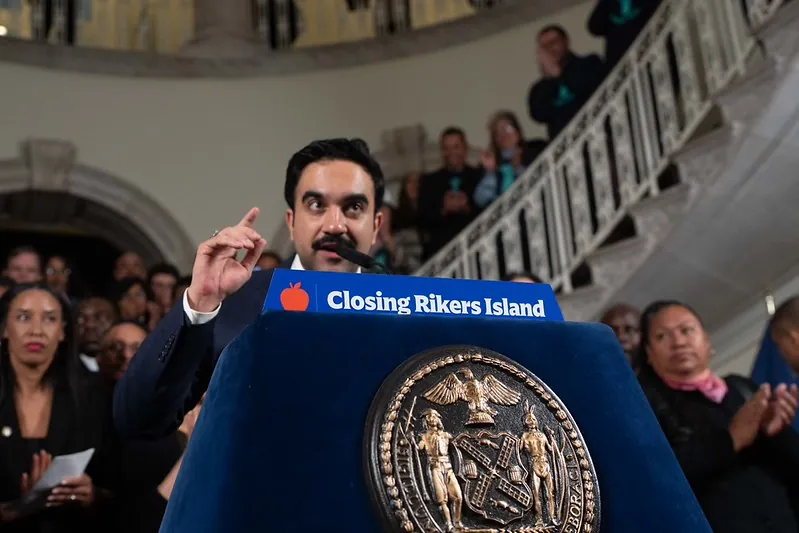
Mamdani put it this way on Tuesday night: "Tonight, New Yorkers voted for a government that moves as fast as they do." He added: "Now comes the work of turning these votes into results." Patrick Gaspard, who chairs the commission, credited the proposals to residents, saying they grew out of the public process the commission ran across the city and would speed outdoor dining approvals and street safety work, streamline contracting, help build more affordable housing and put the city on firmer financial footing.
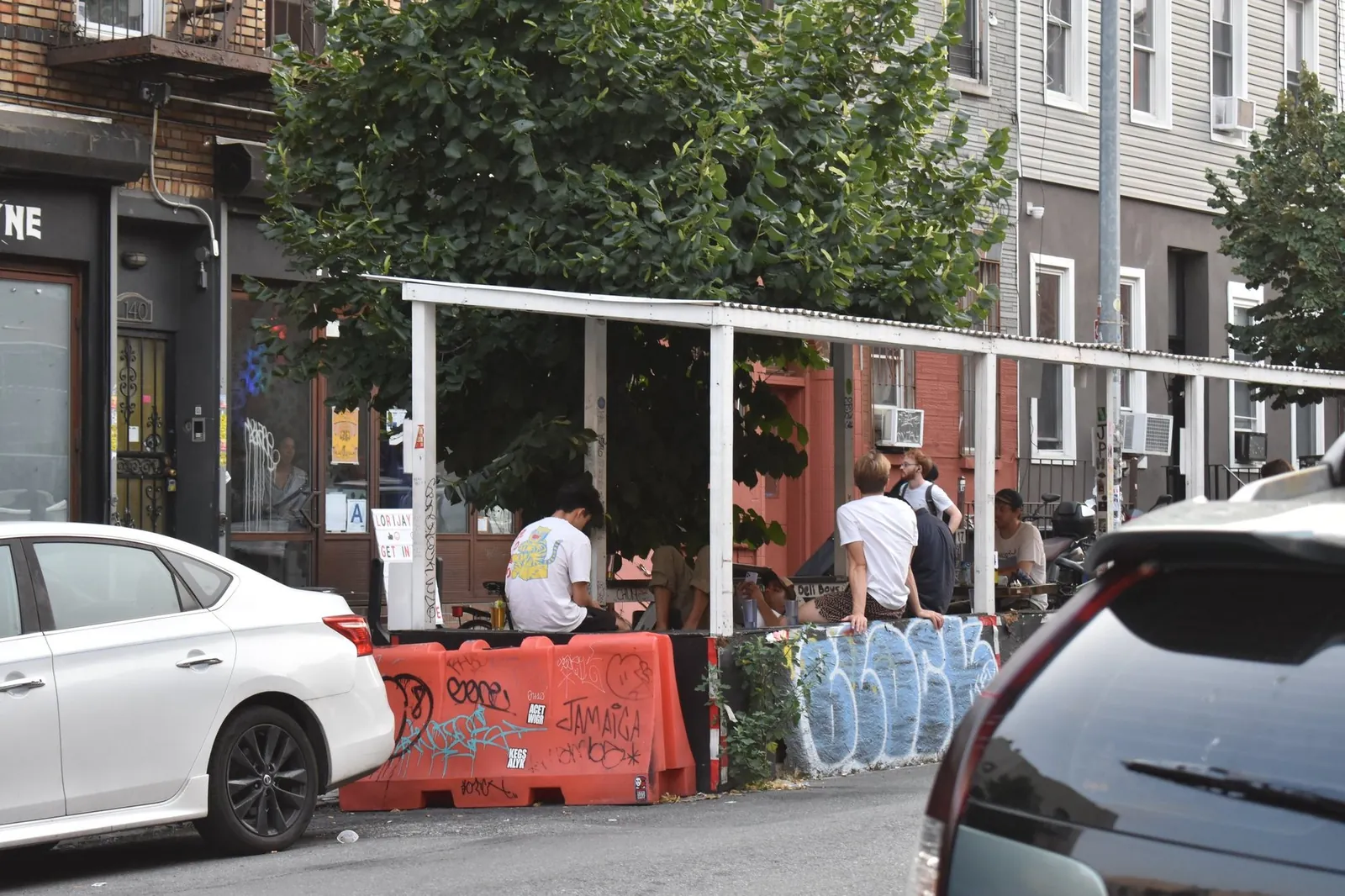
Proposal 1 rewrites how the city approves private uses of public space, including outdoor dining and accessibility ramps. Under the change, an outdoor dining application should take two months instead of eight, and applicants could save as much as $1,800, the mayor's office says. Approvals for entrance ramps and lifts move two months faster as well. The measure removes mandatory hearings and the City Council's power to disapprove individual sidewalk cafe applications, combines the sidewalk and roadway dining applications into one, and keeps a comment channel open for community boards, borough presidents and council members. Its changes are slated to take effect on March 1, 2027.
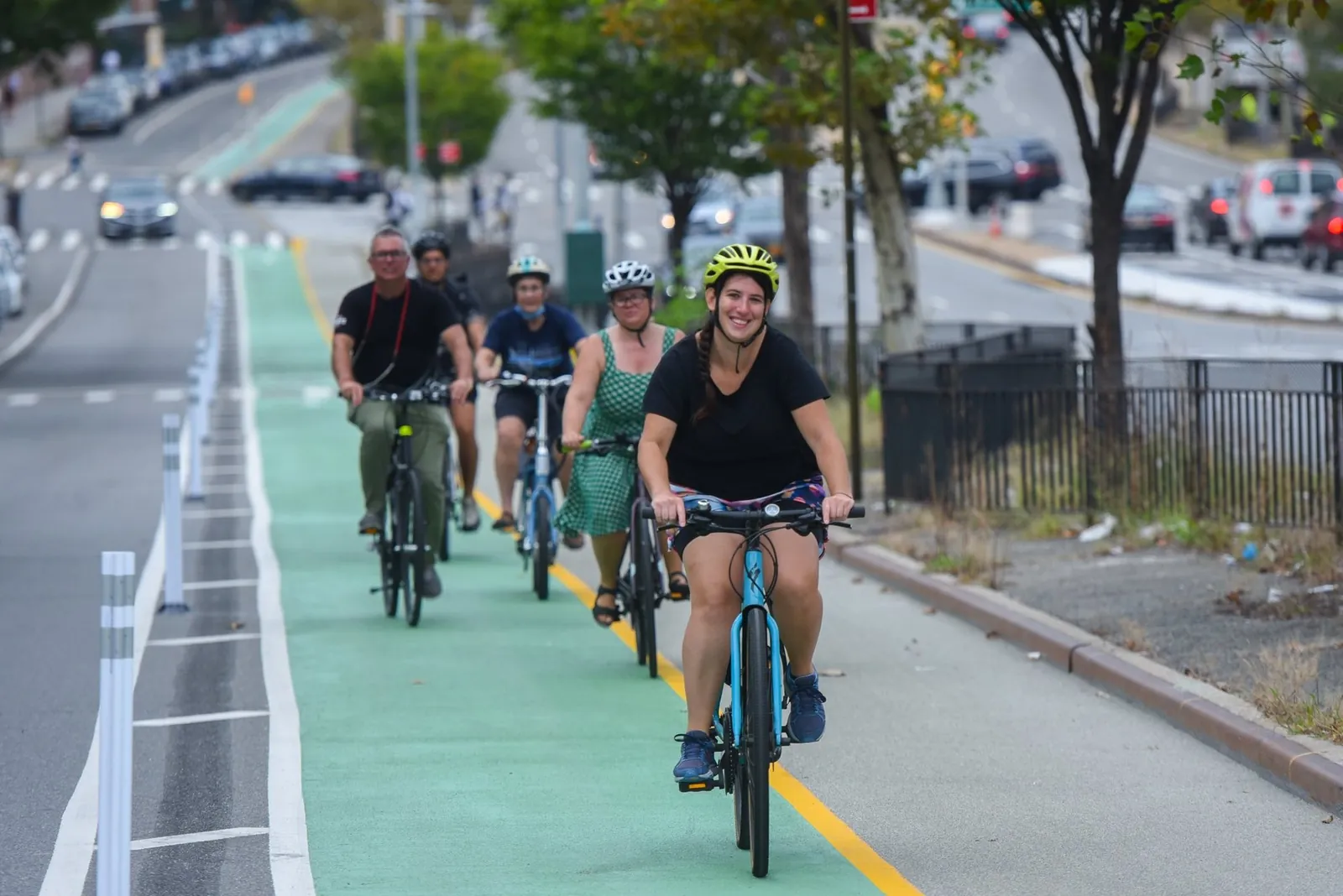
Proposal 3 is the broadest of the five. It simplifies the review of street safety projects such as bike and bus lanes, which the administration says will speed that work by at least 33 percent, and it lets the Transportation Department begin work while outreach to officials and community boards runs alongside it. It also shortens approvals for sales of small surplus city lots and transfers of unused development rights from city owned landmarks, two steps on which the City Planning Commission keeps the final say, and it moves city office leasing decisions to the Department of Citywide Administrative Services. The mayor's office puts the potential revenue from the property changes at more than $200 million. The question also reforms the city's major transportation projects law, long used to challenge street redesigns in court.
The remaining questions work on the city's paperwork and its savings. Proposal 2 changes how the city buys. The Procurement Policy Board must meet at least quarterly beginning January 1, 2027, and gets authority to simplify the questionnaire contractors fill out. A mandatory hearing tied to client services reports goes away, and the mayor may delegate approval of noncompetitive contracts above $5 million to agency heads while widening who can approve noncompetitive purchases. The administration says the package can save small businesses and nonprofits up to 30 days. Proposal 4 creates a central online construction permitting hub under the Department of Buildings, bringing 40 approvals now spread across 18 offices and agencies into one place by December 2029, and moves waterfront permitting to Buildings from the Department of Small Business Services. Proposal 5 sets a target for the rainy day fund of 12 percent of total tax revenue and requires a method for calculating deposits into it.
The borough pattern was lopsided in one place. Staten Island stood apart as the one borough where the no side finished ahead on every question, with yes there ranging from 40.2 percent on Proposal 2 to 47.7 percent on Proposal 5. The Bronx gave Proposal 5 a 79.8 percent yes vote, the highest share any borough gave any question, and Brooklyn and Queens backed all five as well.
The commission built the package in public over the summer. More than 1,200 New Yorkers turned out for its 10 public hearings, which gathered hundreds of pieces of testimony, and its hundreds of briefings reached more than 9,000 people before Election Day, the mayor's office said. Not every watchdog cheered the outcome: the Municipal Art Society raised concerns during the campaign that Proposal 3 could ease sales of public land without enough safeguards, and the Citizens Budget Commission, which backed Proposal 3, argued the rainy day target in Proposal 5 is set too low. Those arguments now move from the ballot to the implementation, where the deadlines written into the charter changes start to run.